
Leh Ladakh
Leh Ladakh is one of the world’s most remarkable travel destinations, known for its towering mountains, ancient Buddhist monasteries, and dramatic high-altitude desert scenery. Located in India’s northernmost Himalayan region, this destination blends spiritual calm, rugged adventure, and breathtaking natural beauty in a way very few places can. Travelers from across the globe dream of visiting Leh Ladakh for its pristine lakes, cliff-side monasteries, wide open landscapes, and unforgettable roads that twist through some of the world’s highest mountain passes.
Whether you’re planning a peaceful getaway, a photography journey, or an adrenaline-packed road trip, this comprehensive guide will help you uncover every essential detail. From the best time to visit and major attractions to travel routes, acclimatization, and practical tips — this is your complete Leh Ladakh travel handbook for 2025.
Introduction
Often referred to as the “Land of High Passes,” Leh Ladakh sits at an elevation of more than 3,500 meters (11,500 feet). The region is carved between the majestic Himalayas and the Karakoram range, giving it an otherworldly charm. Leh, the capital town, is dotted with monasteries, traditional Ladakhi homes, historical landmarks, and vibrant markets. Its cold desert climate, bright skies, and peaceful aura attract all kinds of travelers.
Why Leh Ladakh Captures Global Attention
-
Extraordinary landscapes:
-
turquoise lakes, golden dunes, and dramatic valleys
-
Adventure hub:
-
trekking, rafting, motorbiking, camping, and ATV rides
-
Cultural depth:
-
Tibetan-Buddhist traditions, rituals, and ancient art
-
Unique climate:
-
crisp air, cool temperatures, and strong UV exposure
-
Cinematic appeal:
-
featured in documentaries and Bollywood films
From solo travelers to families, bikers to photographers, Leh Ladakh offers experiences that are both memorable and transformative. Proper planning is essential due to its high altitude and distinctive climate.
Geography & High-Altitude Overview
The geography of Leh Ladakh is unlike any other place in India. The region is essentially a high-altitude cold desert created by the rain-shadow effect of surrounding mountain ranges that block monsoon clouds from entering. As a result, the area receives very little rainfall and has intense sunlight and sharp temperature variations.
Understanding High Altitude in Leh Ladakh
Because Leh is located at such a great height, travelers often experience the effects of thin air. Oxygen levels are much lower here than in most parts of India, making acclimatization extremely important.
Visitors may experience:
-
Breathlessness with minimal exertion
-
Mild headaches
-
Dryness of the throat and skin
-
Fatigue during the first 24–48 hours
The best way to acclimatize is to take things slow, stay hydrated, eat light meals, and avoid strenuous activities on the first day.
Climate Overview
-
Summer:
-
bright sunshine, cold winds, and clear skies
-
Monsoon:
-
light showers on lower routes, but mostly dry in Ladakh
-
Autumn:
-
sharp visibility, cold nights, and golden valleys
-
Winter:
-
sub-zero temperatures, snow-covered terrain, and limited access
This diverse climate gives Leh Ladakh its iconic, barren yet mesmerizing appearance.
How to Reach Leh Ladakh
Reaching Leh Ladakh is an adventure in itself. You can either fly into the region or embark on one of India’s most scenic and thrilling road journeys. Each route offers a distinctly different travel experience.
✅ By Air (Fastest & Most Comfortable)
Flying is the most popular way to reach Leh Ladakh. The Kushok Bakula Rimpochee Airport (IXL) connects Leh with major Indian cities like Delhi, Mumbai, and Bangalore.
Advantages
-
Quick and convenient
-
Safe and comfortable
-
Ideal for senior citizens, families, and travelers with limited time
Important Considerations
-
Sudden exposure to high altitude may cause mild AMS
-
You must rest on the first day for proper acclimatization
Flying saves time but requires extra altitude care.
✅ By Road (Iconic Himalayan Drives)
The road routes leading to Leh Ladakh are among the most scenic in the world. These high-altitude corridors open between May and October, depending on weather conditions.
Manali to Leh Highway
-
Distance:
-
~470 km
-
Travel Duration:
-
Typically spread over 1–2 days
-
Highlights:
-
Rohtang Pass, Jispa, Sarchu, Baralacha La, long stretches of high-altitude plains
This route offers a mix of rugged terrain and stunning landscape changes.
Srinagar to Leh Highway
-
Distance:
-
~420 km
-
Travel Duration:
-
10–12 hours
-
Highlights:
-
Sonamarg, Drass, Kargil, Lamayuru moonscapes
This is a smoother and more beginner-friendly route compared to Manali.
✅ By Motorcycle (A Legendary Himalayan Ride)
The motorcycle journey to Leh Ladakh is a dream for bikers across India and around the world. Riding through the region’s sweeping landscapes and mountain passes is an experience like no other.
What Makes It Special
-
A sense of freedom on open Himalayan roads
-
Ever-changing terrains
-
Close encounters with Ladakh’s raw beauty
-
Perfect photo opportunities at every turn
Safety Tips
-
Choose a reliable motorcycle like a Royal Enfield Classic or Himalayan
-
Wear protective riding gear
-
Carry spare fuel, tools, and essential spares
-
Avoid riding after dark due to unpredictable terrain
A bike trip through Leh Ladakh is thrilling, challenging, and deeply rewarding.
Best Time to Visit Leh Ladakh
Choosing the right time to visit Leh Ladakh is essential because the region’s weather changes dramatically throughout the year. Each season offers something different — from crystal-clear summer skies and comfortable temperatures to the extreme beauty of snow-covered winter landscapes. The climate can influence your travel comfort, accessibility to major attractions, and the overall experience, so planning around the seasons is crucial.
✅ Summer (April to June) – The Start of the Tourist Season
Summer is when Leh Ladakh begins welcoming travelers after months of winter isolation. As the snow melts, roads reopen, skies clear up, and the region becomes fully accessible.
Weather Overview
-
Daytime temperatures:
-
15°C to 25°C
-
Pleasant and comfortable climate
-
Clear skies are ideal for photography
Why Summer Is the Best Time for Many Travelers
-
Perfect for exploring Pangong Lake, Nubra Valley, and monasteries
-
Excellent road visibility
-
Most adventure activities begin during this season
-
Both the Manali–Leh and Srinagar–Leh highways start opening
If you prefer mild temperatures and fully accessible routes, summer is the ideal season to explore Leh Ladakh.
✅ Monsoon (July to September) – Beautiful Landscapes with Fewer Crowds
Although Ladakh lies in a rain-shadow region and receives minimal rainfall, the approach roads from Manali or Srinagar may receive occasional showers. Within Leh Ladakh, however, the weather remains largely dry and enjoyable.
Weather Overview
-
Daytime temperatures: 10°C to 20°C
-
Scattered showers in the lower regions
-
Clearer views after the rains
What Makes the Monsoon Appealing
-
Fewer tourists compared to peak season
-
Hotels and guesthouses offer lower rates
-
Lush scenery and dramatic skies create beautiful photo opportunities
If you enjoy peaceful travel and scenic cloud formations, the monsoon is an excellent time for your Leh Ladakh trip.
✅ Autumn (September to October) – Golden Views and Clear Air
Autumn is one of the most visually stunning seasons in Leh Ladakh. The air becomes crisp and clear, while the scenery transforms into golden and brown hues.
Weather Overview
-
Daytime temperatures: 5°C to 15°C
-
Cold nights with pleasant daytime weather
-
Exceptional visibility
Why Travelers Choose Autumn
-
Vibrant photographs with golden landscapes
-
Minimal crowds
-
Perfect for bikers and road-trippers
-
Comfortable climate for sightseeing
Autumn is ideal for those who desire scenic beauty and a quieter atmosphere.
✅ Winter (November to March) – A Frozen World for Adventure Lovers
Winter in Leh Ladakh is breathtaking but extremely challenging. The region experiences heavy snowfall, harsh winds, and freezing temperatures. However, for thrill-seekers, winter provides a rare chance to witness Ladakh’s raw, untouched beauty.
Weather Overview
-
Temperatures: –20°C to –5°C
-
Frequent snowfall
-
Most roads close due to ice
Winter Highlights
-
The iconic Chadar Trek on the frozen Zanskar River
-
Snow-covered monasteries and villages
-
Frozen lakes and stark winter landscapes
Winter travel demands preparation, fitness, and courage — but the reward is an unforgettable experience of Ladakh’s wild side.
✅ Summary of the Best Time to Visit
| Preference | Ideal Months |
|---|---|
| Sightseeing | May–September |
| Photography | September–October |
| Budget Travel | July–August |
| Bike Trips | June–September |
| Snow Experience | December–February |
Choosing the right season ensures your visit to Leh Ladakh matches your expectations and comfort level.
✅ Places to Visit in Leh Ladakh
Leh Ladakh offers an extraordinary collection of landscapes, cultural sites, and natural wonders. From iconic lakes and ancient monasteries to bustling markets and scenic valleys, every corner of this region has something unique to offer.
Leh City Attractions
Leh city is the cultural and administrative heart of Ladakh. It’s a blend of history, local traditions, and modern cafés — making it the perfect starting point for your journey.
✅ Shanti Stupa
Perched on a hilltop, Shanti Stupa is one of Leh Ladakh’s most popular landmarks. Built as a symbol of peace, it offers a serene atmosphere and panoramic views of Leh city.
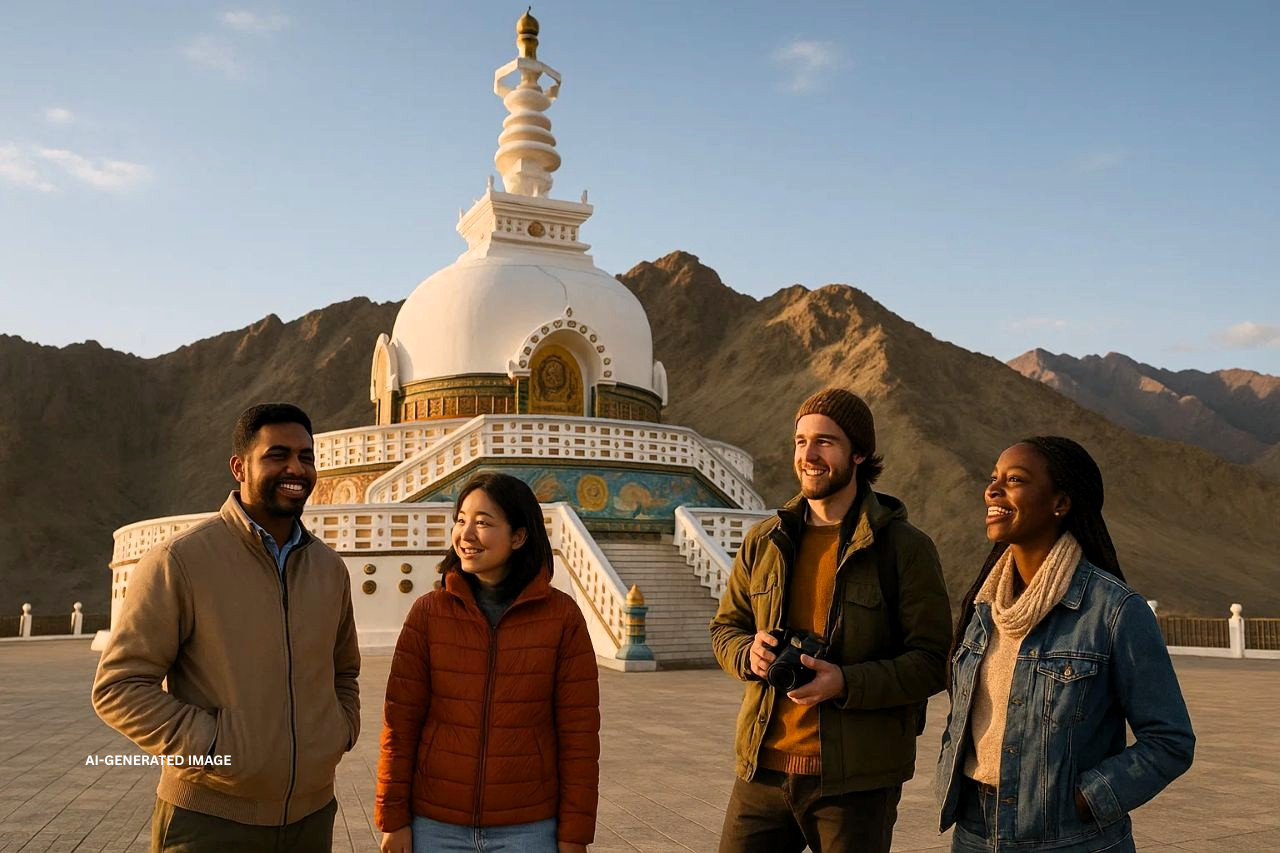
Why Visit Shanti Stupa
-
Stunning sunrise and sunset views
-
360-degree views of mountains and valleys
-
Peaceful environment
-
Illuminated beauty at night
✅ Leh Palace
Inspired by Tibet’s Potala Palace, Leh Palace is a historic nine-storey structure offering a glimpse into Ladakh’s royal past.
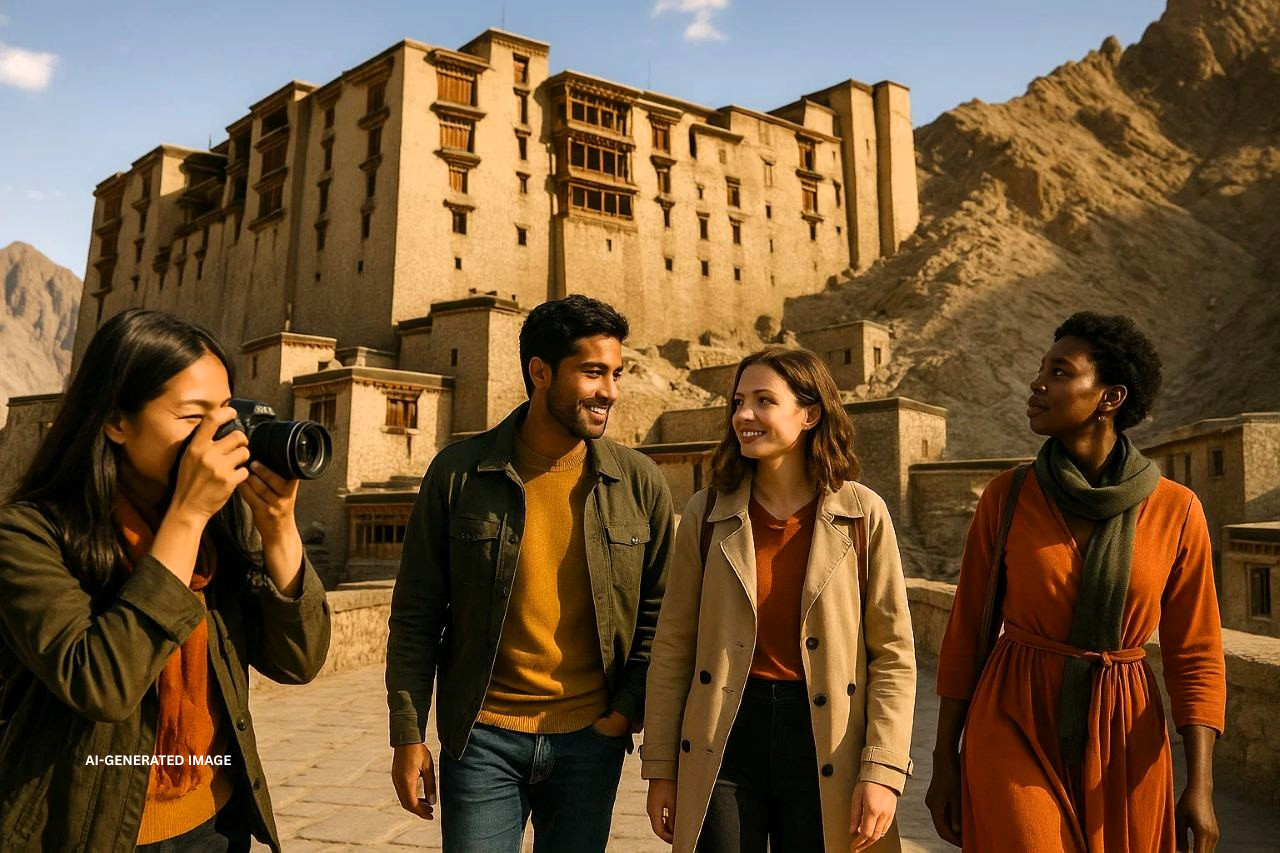
What to Expect
-
Ancient murals and Buddhist artifacts
-
Insight into Ladakhi architecture
-
A balcony view overlooking the entire city
✅ Main Bazaar (Leh Market)
The Main Bazaar is the commercial hub of Leh and a vibrant space to shop, dine, and explore.
Best Things to Buy
-
Pashmina shawls
-
Tibetan jewellery
-
Souvenirs and handicrafts
-
Local dried apricots and spices
Local cafés and bakeries add to the lively atmosphere.
✅ Hall of Fame Museum
Managed by the Indian Army, the Hall of Fame Museum is a powerful tribute to soldiers who defended the region.
Highlights
-
War memorabilia
-
Historical exhibits
-
Emotional stories of bravery
-
Cultural displays
A visit here is both educational and inspiring.
✅ Monasteries in and Around Leh
Monasteries are the spiritual backbone of Leh Ladakh, representing centuries-old Buddhist traditions and architectural brilliance.
✅ Thiksey Monastery
Often compared to the Potala Palace, Thiksey Monastery is a visually striking multi-tiered structure.
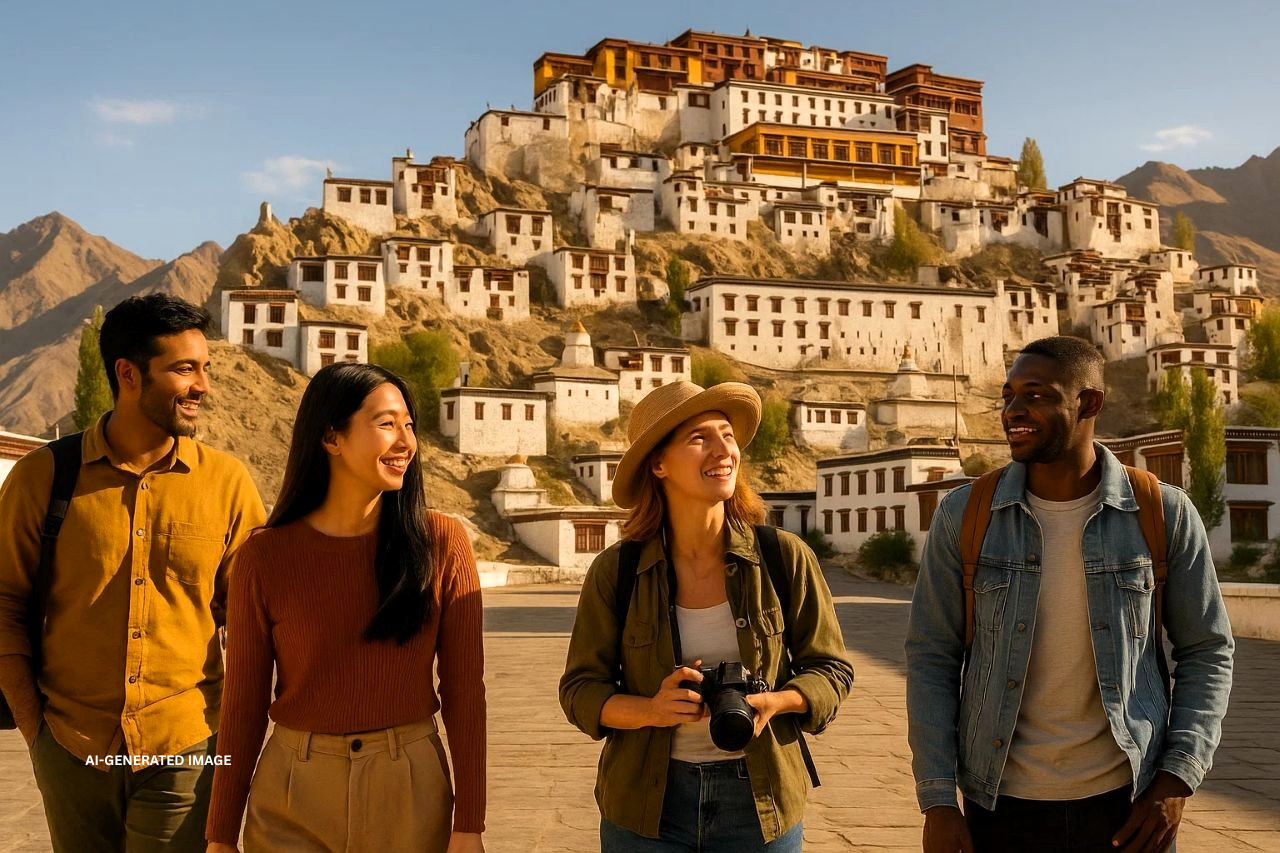
Why It’s Famous
-
A 40-foot Maitreya Buddha statue
-
Panoramic monastery complex
-
Peaceful courtyards and prayer halls
✅ Hemis Monastery
Hemis is Ladakh’s largest and richest monastery, known for its vibrant festivals and ancient treasures.
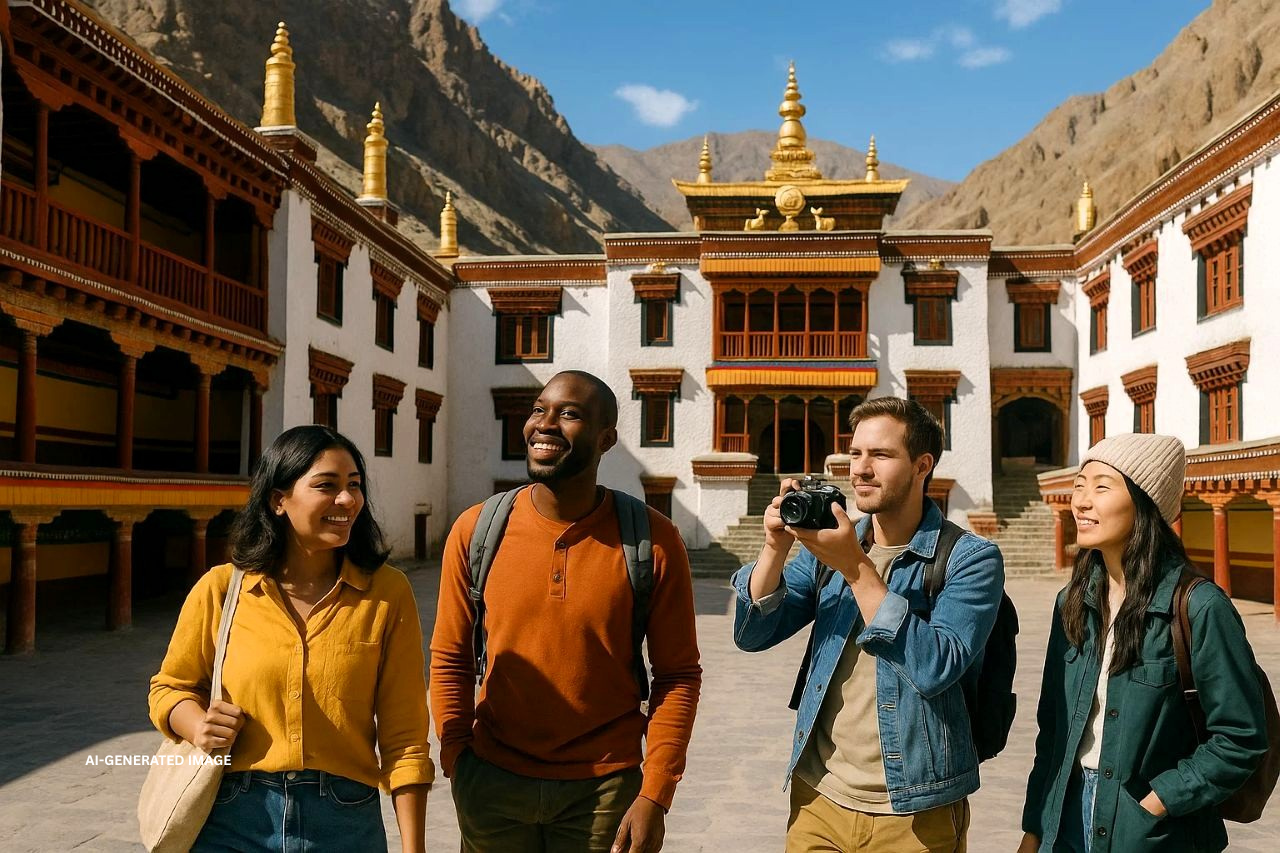
Highlights
-
Annual Hemis Festival with colorful mask dances
-
Ancient scriptures and relics
-
The largest monastic complex in Ladakh
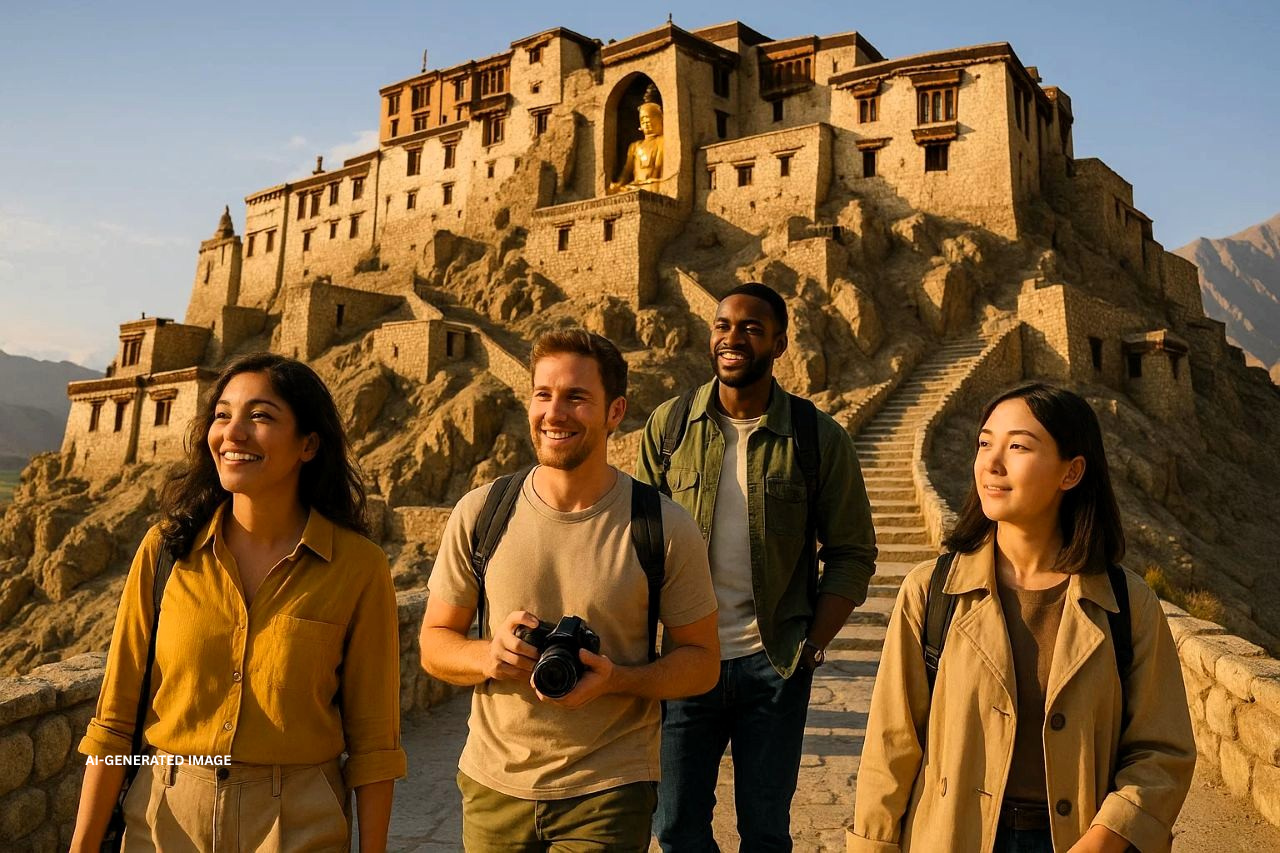
✅ Shey Monastery
Once the royal residence, Shey Monastery is known for its massive copper-gold statue of Buddha.
Why Visit
-
Sweeping valley views
-
Historical ruins and palace remains
-
Its convenient location on the Leh–Manali highway
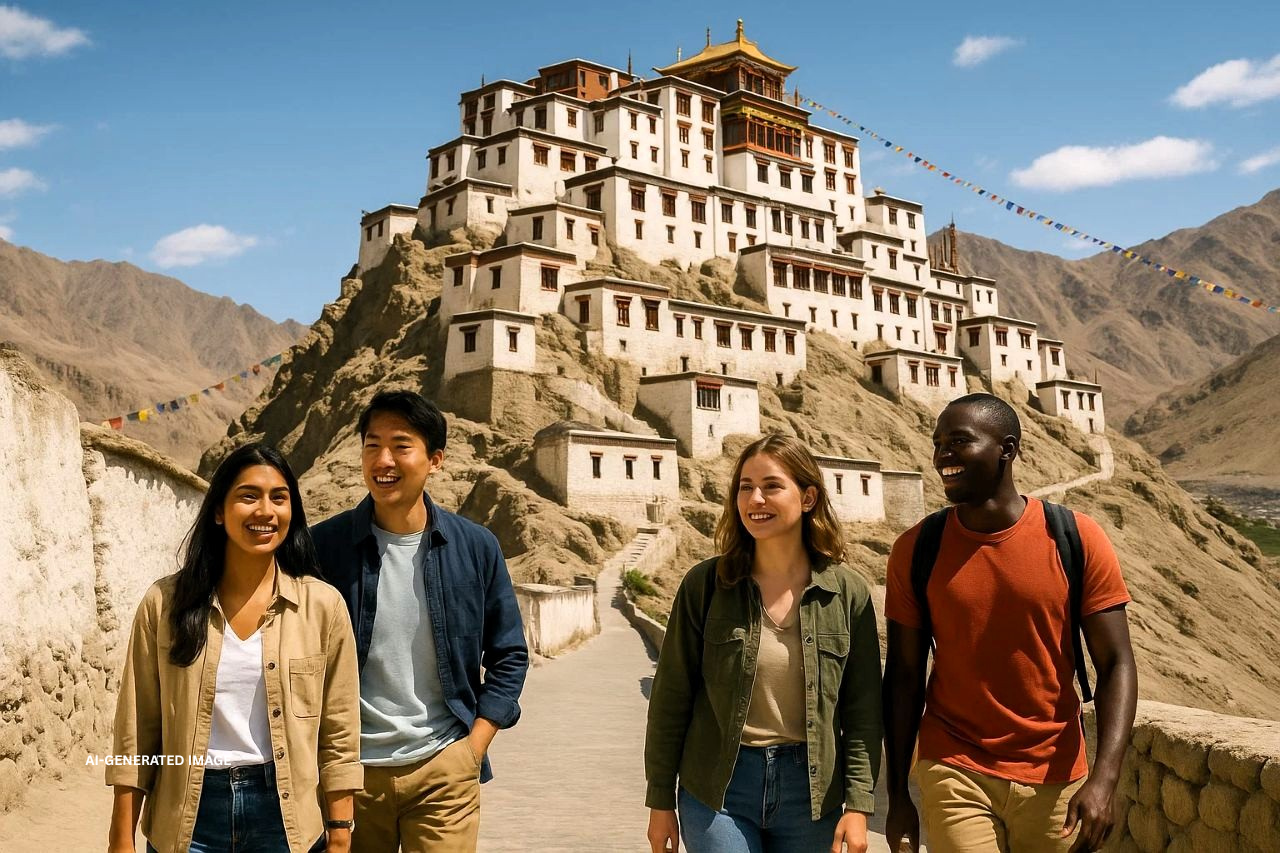
✅ Spituk Monastery
Spituk is famous for its location overlooking the Indus River and its collection of ancient statues.
Top Attractions
-
The Gustor Festival
-
Tantric deity statues
-
Peaceful temple environment
✅ Iconic Lakes of Leh Ladakh
The lakes of Leh Ladakh are some of the most stunning in the world, known for their vibrant colors and dramatic backdrops.
✅ Pangong Lake
Pangong Lake is the crown jewel of Ladakh, stretching across India and China.
Why Tourists Love Pangong
-
Shimmering blue shades that change throughout the day
-
Popular film shooting location
-
Stunning mountain reflections in calm water
-
Unforgettable sunrise and sunset views
✅ Tso Moriri Lake
Tso Moriri offers a quieter experience away from the crowds.
What Makes It Special
-
Blue, crystal-clear waters
-
Migratory bird sightings
-
Remote, peaceful atmosphere
✅ Tso Kar Lake
Tso Kar is a salt lake surrounded by unique landscapes.
Why Visit Tso Kar
-
Excellent birdwatching
-
Rugged mountain backdrop
-
Offbeat and less commercialized
Valleys and Scenic Regions in Leh Ladakh
One of the most captivating aspects of Leh Ladakh is the diversity of its valleys. Each valley has its own character — from high-altitude deserts and emerald river belts to remote villages and dramatic geological formations. These valleys form the heart of the Ladakh experience and offer travelers a deeper understanding of this extraordinary Himalayan region.
✅ Nubra Valley – A High-Altitude Desert Oasis
Nubra Valley is one of the most iconic destinations in Leh Ladakh, famous for its rare blend of dunes, rivers, mountains, and centuries-old monasteries. After crossing the legendary Khardung La Pass, the landscape instantly shifts from rocky mountains to a warm, desert-like environment, creating a surreal and unexpected contrast.
What Makes Nubra Valley Special
-
Hunder Sand Dunes:
-
A unique high-altitude desert where the golden sand contrasts beautifully with the surrounding snow-capped peaks.
-
Double-Humped Camel Rides:
-
The Bactrian camels here were once used on the ancient Silk Route and now offer one of Nubra’s most memorable experiences.
-
Diskit Monastery:
-
Home to a magnificent Maitreya Buddha statue overlooking the valley.
-
Turtuk Village:
-
A culturally rich Balti settlement near the Indo-Pak border, famous for its apricot orchards and traditional wooden homes.
Nubra Valley is a perfect blend of culture, landscape, and adventure, making it a must-visit in any Leh Ladakh itinerary.
✅ Zanskar Valley – The Land of Remote Himalayan Wilderness
Zanskar Valley is one of the most remote and rugged regions of Leh Ladakh. It is known for its dramatic mountain scenery, deep gorges, and isolated villages that preserve ancient Himalayan culture.
Top Highlights of Zanskar
-
Chadar Trek:
-
A world-famous winter trek on the frozen Zanskar River.
-
Phugtal Monastery:
-
A jaw-dropping monastery built into a natural cave on a cliff.
-
Zanskar Canyon:
-
Often compared to the “Grand Canyon of India” due to its striking geological formations.
-
Karsha Monastery:
-
The largest monastery in Zanskar, offering sweeping views of the valley.
Zanskar is an ideal destination for seasoned adventurers and travelers seeking untouched, offbeat landscapes.
✅ Sham Valley – The Soft, Green Side of Ladakh
Sham Valley, often known as the “Apricot Valley,” is one of the most accessible and beginner-friendly regions in Leh Ladakh. Just an hour from Leh, this valley features lush villages, fruit orchards, gentle landscapes, and culturally rich monasteries.
Major Attractions in Sham Valley
-
Sangam Point:
-
A stunning viewpoint where the blue Zanskar River merges with the green Indus River.
-
Magnetic Hill:
-
A natural optical illusion that makes vehicles appear to roll uphill.
-
Alchi Monastery:
-
Home to ancient murals and centuries-old Buddhist art.
-
Likir Monastery:
-
Famous for its enormous open-air Buddha statue and peaceful surroundings.
Sham Valley is perfect for short hikes, scenic photography, and cultural exploration.
✅ High Mountain Passes of Leh Ladakh
Leh Ladakh is celebrated for its towering mountain passes, each offering thrilling drives and magnificent views. These passes not only connect different regions but also serve as iconic landmarks of Ladakh’s rugged terrain.
✅ Khardung La Pass
Khardung La, once believed to be the world’s highest motorable pass, remains one of the most celebrated attractions in Leh Ladakh. Standing at nearly 18,000 feet, it offers dramatic snowy vistas even in summer.
Why Khardung La Is Famous
-
Gateway to Nubra Valley
-
Nearly year-round snow
-
Breathtaking panoramic vistas
-
A dream destination for bikers
Due to thin air and low oxygen levels, visitors should keep their stop brief.
✅ Chang La Pass
Chang La is the spectacular gateway to Pangong Lake. The steep ascent, snow-covered slopes, and icy winds make it a thrilling experience.
What to Expect
-
Snow-lined roads
-
A small temple dedicated to Changla Baba
-
Crisp, refreshing mountain air
Although the climb is challenging, the scenery makes the journey unforgettable.
✅ Tanglang La Pass
Tanglang La, located on the awe-inspiring Manali–Leh Highway, is one of the world’s highest mountain passes.
Highlights
-
Astonishing views of long, open valleys
-
Smooth stretches are ideal for photography
-
A quieter route compared to Khardung La
This pass is a treat for road trip lovers and high-altitude photography enthusiasts.
✅ Unique Natural Wonders in Leh Ladakh
Beyond valleys and passes, Leh Ladakh is home to several natural phenomena that add a sense of wonder to your journey.
✅ Magnetic Hill – Ladakh’s Gravity-Defying Mystery
Magnetic Hill, located on the Leh–Kargil highway, creates the illusion of vehicles moving uphill even when left in neutral. This phenomenon is caused by the surrounding landscape, which tricks the eyes.
Why It’s Popular
-
A fun and unusual experience
-
Great for pictures and videos
-
A must-stop point for first-time visitors
✅ Sangam Point – When Two Rivers Meet
Sangam Point is a striking natural viewpoint where two mighty rivers join: the emerald Indus and the deep-blue Zanskar.
Why It’s Special
-
Beautiful color contrast between the rivers
-
Popular for river rafting
-
Several viewpoints for photography
The merging of the rivers creates a dramatic and peaceful scene.
✅ Lamayuru Moonscape – A Landscape from Another World
Near Lamayuru Monastery lies a natural wonder known as the “Moonscape.” Its smooth, eroded formations give it an appearance similar to the surface of the moon.
What Makes It Unique
-
Rare, lunar-like terrain
-
Flawless sunset photography opportunities
-
Fascinating geological history
The Moonscape is one of the most unusual and breathtaking landscapes in Leh Ladakh.
✅ Cultural Villages of Leh Ladakh
The villages of Leh Ladakh offer an intimate look into the daily lives, traditions, and hospitality of Ladakhi people.
✅ Alchi Village
A peaceful village with deep historical significance, Alchi is known for its ancient monastery and artistic heritage.
What You’ll Experience
-
Beautiful preserved murals
-
Traditional Ladakhi homes
-
Friendly and welcoming locals
✅ Turtuk Village
Turtuk is one of the most culturally unique villages in Ladakh. Located in the Baltistan region, it differs greatly in architecture, language, and food.
Highlights
-
Apricot orchids
-
Traditional wooden houses
-
Distinct Balti culture
-
Stunning views of the Karakoram mountains
Turtuk is a fascinating blend of history and scenic beauty.
✅ Hemis Shukpachan
This green and tranquil village is one of the prettiest settlements in the Sham region.
Top Experiences
-
Walking trails through barley fields
-
Cozy, traditional homestays
-
Unique Buddhist art and prayer wheels
Hemis Shukpachan is ideal for travelers looking to connect with local life.
✅ Adventure, Culture & Photography in Leh Ladakh
Leh Ladakh offers endless opportunities for adventure enthusiasts, cultural travelers, and photographers. Its natural landscapes and cultural treasures make it one of the most versatile travel destinations in India.
✅ Adventure Activities
Motorbiking Across High Passes
Riding through Ladakh’s high-altitude roads is one of the most thrilling adventures in the Himalayas. Reliable bikes, safety gear, and slow pacing are essential for this journey.
River Rafting in the Zanskar River
Rafting through the Zanskar Canyon is an adrenaline-filled activity offering both excitement and spectacular views.
Why It’s Exciting
-
Rapids for various skill levels
-
Dramatic canyon landscapes
-
Professional rafting teams ensure safety
Trekking Through Remote Trails
Ladakh offers world-famous trekking routes for different fitness levels.
Popular Treks
-
Markha Valley Trek
-
Stok Kangri Base Trek
-
Chadar Trek
-
Sham Valley Trek
Treks offer a close look at Ladakh’s raw beauty and remote communities.
✅ Cultural Experiences
Monastery Rituals
Watching monks chant prayers, witnessing ancient ceremonies, and exploring centuries-old monasteries is one of the most enriching experiences in Ladakh.
Village Homestays
Staying with a Ladakhi family allows you to learn about traditional cooking, lifestyle, and local practices.
✅ Photography Experiences
Leh Ladakh is a dream for photographers, offering vast landscapes, dramatic lighting, and crystal-clear skies.
Best Photography Opportunities
-
Sunrise at Pangong Lake
-
Milky Way photography in Hanle
-
Monasteries set against mountains
-
Valleys, rivers, and high passes
Permits & Entry Requirements for Leh Ladakh
Because Leh Ladakh lies close to international borders and ecologically sensitive zones, several areas require special permits for entry. Whether you’re an Indian traveler or a foreign visitor, understanding these permits ensures smooth and hassle-free travel. These documents also help authorities regulate tourism and protect Ladakh’s fragile environment.
✅ Inner Line Permit (ILP) for Indian Citizens
Indian tourists must obtain an Inner Line Permit to access certain protected regions in Ladakh. The ILP is mandatory for many popular destinations located near border areas and wildlife zones.
Areas Requiring ILP
-
Pangong Lake
-
Nubra Valley
-
Tso Moriri & Tso Kar
-
Hanle
-
Dah–Hanu region
-
Chushul and other frontier villages
How to Apply for ILP
-
Visit the official Ladakh permit website
-
Fill in your travel and personal details
-
Pay the environmental and wildlife fees
-
Download the permit and carry several photocopies
Travelers must submit copies of the permit at military checkpoints along the routes.
✅ Protected Area Permit (PAP) for Foreign Nationals
Foreign visitors need a Protected Area Permit to visit restricted locations in Ladakh. Due to security regulations, foreigners are not allowed to visit many of these regions alone.
Important PAP Guidelines
-
A minimum of two foreign tourists must travel together
-
Permits must be arranged through a registered travel agency or hotel in Leh
-
Certain border-adjacent zones remain off-limits to foreigners
Foreign nationals should confirm access restrictions before planning their itinerary.
✅ Important Permit Guidelines
-
Carry both digital and physical copies
-
Follow the instructions at the army checkpoints
-
Avoid photographing military bases
-
Drones are strictly prohibited without special permission
Following these guidelines ensures a smoother journey across Ladakh’s protected regions.
✅ Accommodation in Leh Ladakh
Leh Ladakh offers a wide range of accommodations — from budget guesthouses to luxurious boutique hotels. Depending on your itinerary and preferred comfort level, you can choose to stay in Leh town, remote valleys, or lakeside camps.
Where to Stay in Leh City
Leh town provides the best connectivity, acclimatization conditions, and a variety of stay options. Most travelers spend their first 2–3 nights here to adjust to the altitude.
✅ Budget Guesthouses
-
Clean, simple rooms
-
Basic amenities
-
Great for backpackers and solo travelers
✅ Mid-Range Hotels
-
Comfortable, well-furnished rooms
-
Mountain views
-
In-house dining
-
Ideal for families and couples
✅ Luxury Stays
-
Boutique architecture
-
Heated rooms
-
Beautiful gardens or rooftop cafés
-
Premium comfort and excellent service
Leh city offers the easiest access to restaurants, markets, and travel services.
Accommodation in Nubra Valley
Staying in Nubra Valley brings you close to nature, dunes, and culturally rich villages.
✅ Hunder
-
Popular among tourists
-
Camps located near the dunes
-
Scenic views and comfortable tents
✅ Diskit
-
Guesthouses around Diskit Monastery
-
Peaceful surroundings and valley views
✅ Turtuk
-
Homestays among apricot orchards
-
Wooden Balti-style homes
-
Warm hospitality and local cuisine
Nubra Valley stays offer tranquility and authentic Ladakhi charm.
Pangong Lake Stays
Spending a night near Pangong Lake is an unforgettable experience, especially during sunrise and sunset.
✅ Types of Accommodation
-
Swiss tents
-
Wooden cabins
-
Eco-friendly camps
✅ Things to Know
-
Nights are extremely cold
-
Electricity is limited
-
The mobile network is weak or unavailable
-
Heating facilities are minimal
Despite the challenges, most travelers consider an overnight stay at Pangong Lake as one of the highlights of their Leh Ladakh trip.
Homestays in Remote Villages
Ladakhi homestays offer a heartfelt cultural experience and a chance to see life in traditional Himalayan villages.
✅ Benefits of Choosing a Homestay
-
Warm, home-cooked Ladakhi meals
-
Cozy rooms with basic comfort
-
Cultural immersion and local conversations
-
Contribution to sustainable tourism
Homestays also help support Ladakhi families and preserve local traditions.
✅ Food in Leh Ladakh
Ladakh’s cuisine reflects its cold, high-altitude climate. Meals are hearty, simple, and designed to provide warmth and energy.
Must-Try Ladakhi Dishes
✅ Thukpa
A comforting noodle soup ideal for chilly evenings.
✅ Momos
Steamed dumplings filled with vegetables or meat, served with spicy chutneys.
✅ Tingmo
Soft, fluffy steamed bread eaten with lentils, curries, or vegetable stews.
✅ Skyu
A traditional Ladakhi pasta stew cooked with vegetables — very filling and flavorful.
✅ Butter Tea
Known locally as “gur gur chai,” it’s a salty tea made with yak butter and tea leaves.
Popular Cafés and Restaurants in Leh
-
Gesmo Restaurant:
-
Excellent pastries and continental food
-
Tibetan Kitchen:
-
Authentic Ladakhi dishes
-
German Bakery:
-
Great breakfast options
-
Bon Appétit:
-
Modern décor and scenic outdoor seating
Leh’s café culture blends local flavors with global cuisine.
✅ Leh Ladakh Itineraries (2–10 Days)
Here are sample itineraries to help plan your trip according to your available time and interests.
3-Day Itinerary — Quick Leh Exploration
✅ Day 1: Arrival + Leh City
-
Rest and acclimatize
-
Visit Shanti Stupa
-
Explore Leh Palace and Main Bazaar
✅ Day 2: Sham Valley
-
Sangam Point
-
Magnetic Hill
-
Alchi Monastery
-
Gurudwara Pathar Sahib
✅ Day 3: Monastery Circuit
-
Hemis Monastery
-
Thiksey Monastery
-
Shey Palace
This itinerary covers the core attractions close to Leh.
5-Day Itinerary — Balanced & Popular Plan
✅ Day 1: Leh City & Rest
✅ Day 2: Sham Valley Sightseeing
✅ Day 3: Nubra Valley (via Khardung La)
-
Hundred dunes
-
Camel safari
-
Diskit Monastery
✅ Day 4: Pangong Lake (via Shyok route)
✅ Day 5: Return to Leh via Chang La
This plan includes the top highlights of Leh Ladakh.
7-Day Itinerary — Covering All Major Spots
✅ Day 1–2: Leh city + Sham Valley
✅ Day 3–4: Nubra Valley (including Turtuk)
✅ Day 5: Pangong Lake
✅ Day 6: Tso Moriri
✅ Day 7: Return to Leh
A perfect itinerary for travelers wanting a well-rounded experience.
10-Day Itinerary — Complete Leh Ladakh Adventure
✅ Day 1–2: Leh city
✅ Day 3–4: Sham Valley
✅ Day 5–6: Nubra Valley (Hunder + Turtuk)
✅ Day 7: Pangong Lake
✅ Day 8: Hanle (top stargazing destination)
✅ Day 9: Tso Moriri
✅ Day 10: Return to Leh
This itinerary covers everything that makes Ladakh special — culture, lakes, wildlife, astronomy, and adventure.
Budget & Trip Cost Guide for Leh Ladakh
Planning a trip to Leh Ladakh requires careful budgeting due to the region’s remote location, limited accessibility, and high-altitude conditions. Your total cost will depend on your travel dates, accommodation style, transportation choices, and the length of your stay. The following breakdown will help you estimate your expenses and plan a smooth trip.
✅ Flight Expenses
Flights are often the costliest part of traveling to Leh Ladakh, with fares fluctuating significantly depending on the departure city and season.
Approximate One-Way Airfare
-
Delhi → Leh: ₹6,000 – ₹12,000
-
Mumbai → Leh: ₹9,000 – ₹16,000
-
Bangalore/Chennai → Leh: ₹10,000 – ₹20,000
Booking 2–3 months in advance is the best way to secure lower prices, especially during the summer peak season.
✅ Accommodation Costs
Leh Ladakh offers a variety of accommodation options ranging from basic guesthouses to premium boutique hotels. Prices vary by season and location, with remote areas generally costing more.
Budget Stays (₹800 – ₹1,800 per night)
-
Simple rooms
-
Basic amenities
-
Ideal for backpackers
Mid-Range Hotels (₹2,000 – ₹4,500 per night)
-
Comfortable rooms
-
Hot water availability
-
In-house dining options
-
Great for families and couples
Luxury Stays (₹6,000 – ₹15,000+ per night)
-
Heated rooms
-
Ladakhi-style architecture
-
Scenic balconies
-
High-end comfort and service
Camps in Lakes and Valleys (₹2,500 – ₹7,000 per night)
-
Wooden cabins, Swiss tents, or eco-huts
-
Limited power and heating
-
Incredible sunrise and stargazing views
✅ Transportation Costs
Because distances are long and roads are challenging, transportation in Leh Ladakh tends to be costlier than in other regions.
Taxi Rates (Government-Approved)
-
Local Leh sightseeing: ₹3,500 – ₹5,000
-
Leh → Nubra → Pangong (circuit): ₹18,000 – ₹24,000
-
Leh → Tso Moriri: ₹12,000 – ₹18,000
Bike Rentals
-
Royal Enfield 350cc: ₹1,200 – ₹1,500 per day
-
Royal Enfield Himalayan: ₹1,800 – ₹2,200 per day
-
Full-trip fuel cost: ₹2,500 – ₹4,000
Bike trips are thrilling but require riding experience and caution.
✅ Food & Dining Expenses
Food prices in Leh Ladakh are reasonable considering the altitude and logistical challenges.
Average Meal Costs
-
Local cafés: ₹200 – ₹350 per meal
-
Restaurants: ₹350 – ₹700 per person
-
Tea/snacks: ₹20 – ₹100
Homestays often include breakfast and dinner, making them a budget-friendly option.
✅ Permit Costs
Permits are mandatory for certain areas of Ladakh.
Approximate Fees
-
Inner Line Permit (ILP): ₹600 – ₹1,000 per person
-
PAP (for foreigners): separate charges applicable
These fees usually cover environmental and wildlife protection charges as well.
✅ Total Budget Estimate (5–7 Days)
Budget Traveler: ₹15,000 – ₹22,000
Mid-Range Traveler: ₹30,000 – ₹45,000
Luxury Traveler: ₹55,000+
These estimates give a realistic idea of how much your Leh Ladakh trip may cost, depending on your comfort level.
✅ Travel Tips for Leh Ladakh
Because of its high altitude, dry weather, and challenging terrain, Leh Ladakh demands extra preparation. These travel tips will help ensure a safe and enjoyable journey.
✅ Health & Safety Essentials
1. Acclimatize Properly
Rest for at least 24–36 hours after arriving in Leh. Avoid exertion, heavy meals, and alcohol.
2. Stay Hydrated
The dry climate leads to quick dehydration. Sip warm water regularly.
3. Know AMS Symptoms
Altitude Mountain Sickness may include:
-
Headache
-
Nausea
-
Fatigue
-
Shortness of breath
If symptoms intensify, descend immediately.
4. Carry a Medical Kit
Pack:
-
ORS
-
Pain relievers
-
Cough and cold medication
-
First-aid items
Medical facilities in remote areas are limited.
✅ Packing Checklist for Leh Ladakh
Essential Clothing
-
Thermals
-
Fleece jackets
-
Waterproof outer layers
-
Woolen socks, gloves, and caps
Important Accessories
-
UV-protected sunglasses
-
Sunscreen (SPF 50+)
-
Lip balm
-
Moisturizer
Electronics
-
Power bank
-
Spare batteries
-
Car charger
-
Extra memory cards
Cold temperatures drain batteries faster, so carry backups.
✅ Road Safety Tips
Avoid Night Travel
Highways are extremely dark, with no artificial lighting or barriers.
Refuel Often
Fuel stations are scarce. Key fuel stops include:
Leh • Diskit • Karu • Tandi (on Manali route)
Stay Updated on the Weather
Snowfall, landslides, and water crossings can disrupt travel without warning.
✅ Sustainable Tourism in Leh Ladakh
Ladakh’s delicate environment needs conscious and responsible tourism. Supporting eco-friendly travel helps preserve this Himalayan region for future generations.
✅ Respect Local Culture
-
Dress modestly
-
Remove shoes before entering monasteries
-
Avoid touching religious objects
✅ Reduce Plastic Use
-
Carry reusable bottles
-
Avoid disposable packaging
-
Use eco-friendly products
✅ Support Local Communities
-
Stay in homestays
-
Buy local handicrafts
-
Eat at family-run cafés
✅ Do Not Disturb Wildlife
Avoid approaching or feeding animals, especially in protected regions like Hanle and Changthang.
✅ Conclusion
Leh Ladakh is more than a travel destination — it’s an unforgettable experience shaped by dramatic landscapes, ancient monasteries, deep-rooted culture, and high-altitude adventure. Whether you’re admiring the vibrant blues of Pangong Lake, riding across mountain passes, stargazing in Hanle, or enjoying simple Ladakhi hospitality in a remote village, every moment in Ladakh leaves a lasting impression.
With thoughtful planning, proper acclimatization, and a respectful travel attitude, you will discover why Leh Ladakh holds a special place in the hearts of travelers worldwide.
✅ FAQs
What is the best time to visit Leh Ladakh?
The best time is May to September, when the weather is pleasant and all major routes are open.
How many days are enough for Leh Ladakh?
A minimum of 5–7 days is ideal, while 10 days allows you to explore lakes, valleys, and remote areas.
Is Leh Ladakh safe for solo travelers?
Yes. Ladakh is extremely safe, and the locals are warm and helpful.
Do I need a permit for Pangong Lake?
Yes. Indian citizens need an ILP, and foreign nationals must obtain a PAP.
Is altitude sickness common?
Yes, due to the high elevation. Acclimatization and hydration help significantly.
Can seniors visit Ladakh?
Yes, but they should consult a doctor beforehand and follow a slow-paced itinerary.
Does the mobile network work in Ladakh?
Postpaid SIMs from BSNL, Airtel, and Jio work in Leh town. Remote regions have limited connectivity.
What should I pack for Ladakh?
Warm layers, sunscreen, gloves, a jacket, a power bank, and essential medicines.
Are drones allowed?
No. Drones require special permissions due to military restrictions.
Is Ladakh expensive?
It depends on your travel style. Budget trips start around ₹15,000, while premium trips cost more.
Are ATMs available?
Yes, in Leh town. ATMs are not available in remote areas like Pangong or Nubra.
Is winter a good time to visit?
Winter is suitable only for experienced travelers due to the extreme cold.
Can foreigners visit all areas?
Some border zones remain restricted for foreigners, even with a PAP.
What is Ladakhi cuisine like?
Simple, hearty, and warm, featuring dishes like thukpa, momos, and butter tea.
Is driving safe in Ladakh?
Yes, but only during daylight hours due to challenging terrain and visibility issues.