
Introduction
Nestled on the edge of the Thar Desert, Jodhpur, popularly known as the Blue City of India, is one of Rajasthan’s most enchanting destinations. The city is instantly recognizable for its clusters of blue-painted houses, a sight that has become symbolic of its identity. Towering above this sea of blue stands the magnificent Mehrangarh Fort, a structure that continues to guard and define the city even today.
The Blue City Jodhpur is more than just a pretty picture—it’s a living museum of Rajput history, bustling markets, colorful traditions, and warm hospitality. Wander through narrow lanes, sample traditional Rajasthani delicacies, or simply soak in the panoramic views of blue rooftops against the desert sky—every corner tells a story.
This detailed guide will take you through the history, culture, attractions, food, itineraries, and travel tips you need to plan an unforgettable journey to Jodhpur. Whether you’re a history lover, an adventure seeker, or a cultural explorer, the Blue City Jodhpur promises experiences that will stay with you forever.
History and Significance of Jodhpur
The history of Jodhpur is as captivating as its landscape. The city was founded in 1459 by Rao Jodha, the chief of the Rathore clan, who shifted his capital from Mandore to a safer and more strategic location. From this move emerged Jodhpur, which soon became the stronghold of the Marwar kingdom.
Over the centuries, Jodhpur prospered as a center of trade and culture. Situated on ancient trade routes, it was famous for exporting opium, copper, silk, and sandalwood. The wealth generated during this time is still evident in the palaces, temples, and havelis scattered across the city.
But what truly makes Jodhpur iconic is its blue-painted houses. Several theories surround this tradition:
-
Cultural Explanation:
-
Originally, Brahmin families painted their homes blue to signify their caste and social standing.
-
Practical Reason:
-
The indigo-tinted paint is believed to repel insects and keep interiors cooler during Rajasthan’s blazing summers.
-
Symbol of Identity:
-
Over time, other residents followed suit, creating the mesmerizing sea of blue that attracts travelers and photographers worldwide.
Today, Jodhpur is not just about its royal past—it’s also a thriving modern city. Festivals like the Rajasthan International Folk Festival (RIFF) and the Marwar Festival keep their cultural heritage alive, while luxury hotels and boutique cafés showcase the perfect balance between tradition and modernity. The Blue City Jodhpur, has become a must-visit destination for anyone seeking both history and contemporary charm.
Best Time to Visit Jodhpur
Since Jodhpur lies in a desert region, the climate can be extreme. Knowing the right season to travel can make your visit much more enjoyable.
Winter (October – March)
This is undoubtedly the best time to visit Jodhpur. The days are pleasant, with temperatures ranging between 10°C and 25°C, making sightseeing comfortable. Winter is also the season of cultural celebrations, with events like the RIFF bringing music and folk performances to life within Mehrangarh Fort. Cool evenings are perfect for rooftop dinners overlooking the city’s glowing blue houses.
Summer (April – June)
Summers are harsh, with temperatures often soaring above 40°C. Exploring monuments during the day can be challenging, but mornings and evenings remain manageable. For travelers on a budget, summer can be appealing as hotels and flights are usually cheaper. Indoor activities like cooking classes, museums, and haveli stays are better suited for this season.
Monsoon (July – September)
Though Jodhpur does not receive heavy rainfall, the showers bring freshness to the city and paint the surroundings green. The blue walls against rain-washed skies create beautiful photo opportunities. It’s also less crowded during this time, making it a great option for travelers who prefer quieter experiences.
Festival Season
Beyond the weather, Jodhpur is best enjoyed during its festive periods. Events like the Marwar Festival and Diwali transform the Blue City with music, lights, and cultural displays.
Travel Tip
For the best mix of comfortable weather, lively festivals, and vibrant cityscapes, plan your trip to Blue City Jodhpur between October and March.
How to Reach Jodhpur
Traveling to the Blue City Jodhpur is convenient, as it is well-connected by air, rail, and road. Whether you’re arriving from within India or abroad, you’ll find several options to suit your travel plans.
By Air – Jodhpur Airport
-
Jodhpur Airport (JDH) is located just 5 km from the city center.
-
It operates domestic flights to and from major cities such as Delhi, Mumbai, Jaipur, Udaipur, and Ahmedabad.
-
International travelers can arrive in Delhi or Jaipur and take a connecting flight to Jodhpur.
✈️ Tip: During peak tourist season (October–March), flights fill up quickly, so book your tickets in advance for better prices.
By Train – Jodhpur Junction
-
Jodhpur Junction (JU) is one of Rajasthan’s busiest railway stations, with excellent connectivity across India.
-
Popular trains include:
-
Mandore Express (Delhi–Jodhpur)
-
Suryanagari Express (Mumbai–Jodhpur)
-
Ranakpur Express (Ahmedabad–Jodhpur)
-
-
Overnight trains are especially convenient as they save both time and accommodation costs.
🚂 Tip: For a royal travel experience, try the Palace on Wheels luxury train, which includes Jodhpur on its route.
By Road – Scenic Drives
-
Jodhpur is well-connected by national highways: Jaipur (337 km), Udaipur (250 km), and Jaisalmer (285 km).
-
Regular buses, both government (RSRTC) and private, operate to and from Jodhpur.
-
Renting a car or hiring a taxi allows you to enjoy Rajasthan’s desert scenery along the way.
Getting Around Jodhpur
-
Auto-rickshaws & tuk-tuks:
-
Affordable and convenient for short trips.
-
Cabs:
-
Ola, Uber, and local taxis are easily available.
-
Scooter rentals:
-
A great option for exploring the blue alleys at your own pace.
-
Walking:
-
The old city near Mehrangarh Fort is best discovered on foot.
Top Attractions: Places to Visit in Jodhpur
The Blue City Jodhpur is packed with architectural wonders, cultural landmarks, and hidden gems. From its imposing fort to bustling bazaars, here are the must-visit attractions.
Mehrangarh Fort – The Crown Jewel
-
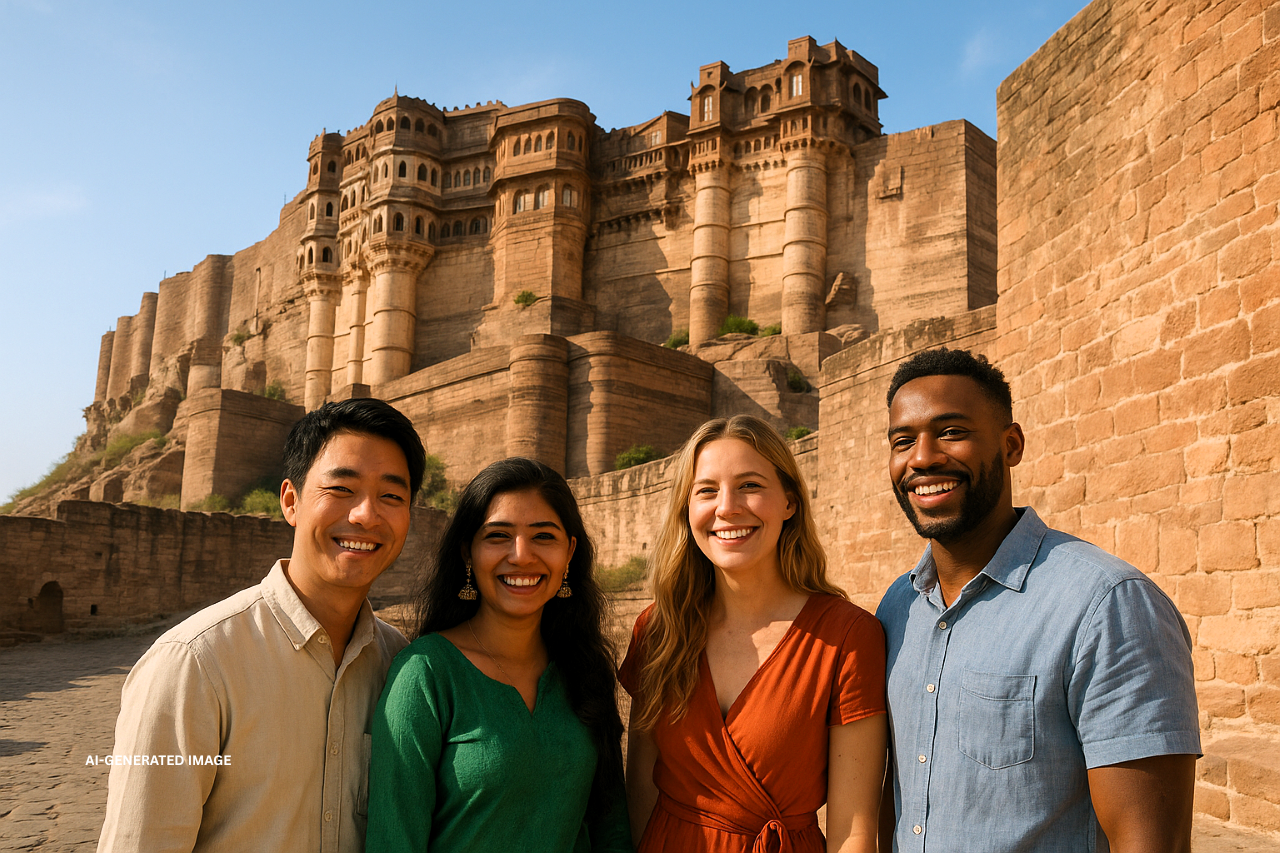
Built by Rao Jodha in 1459, this massive fort rises 400 feet above the city.
-
Highlights include palaces such as Sheesh Mahal (Hall of Mirrors) and Phool Mahal (Flower Palace), known for their intricate designs.
-
The Mehrangarh Museum houses a rich collection of royal artifacts, weapons, and costumes.
-
The fort’s ramparts offer sweeping views of the Blue City Jodhpur, especially breathtaking at sunrise and sunset.
💡 Adventure Tip: Try the Flying Fox Zipline, which gives you a thrilling perspective of the fort and city.
Jaswant Thada – The Marble Memorial
-
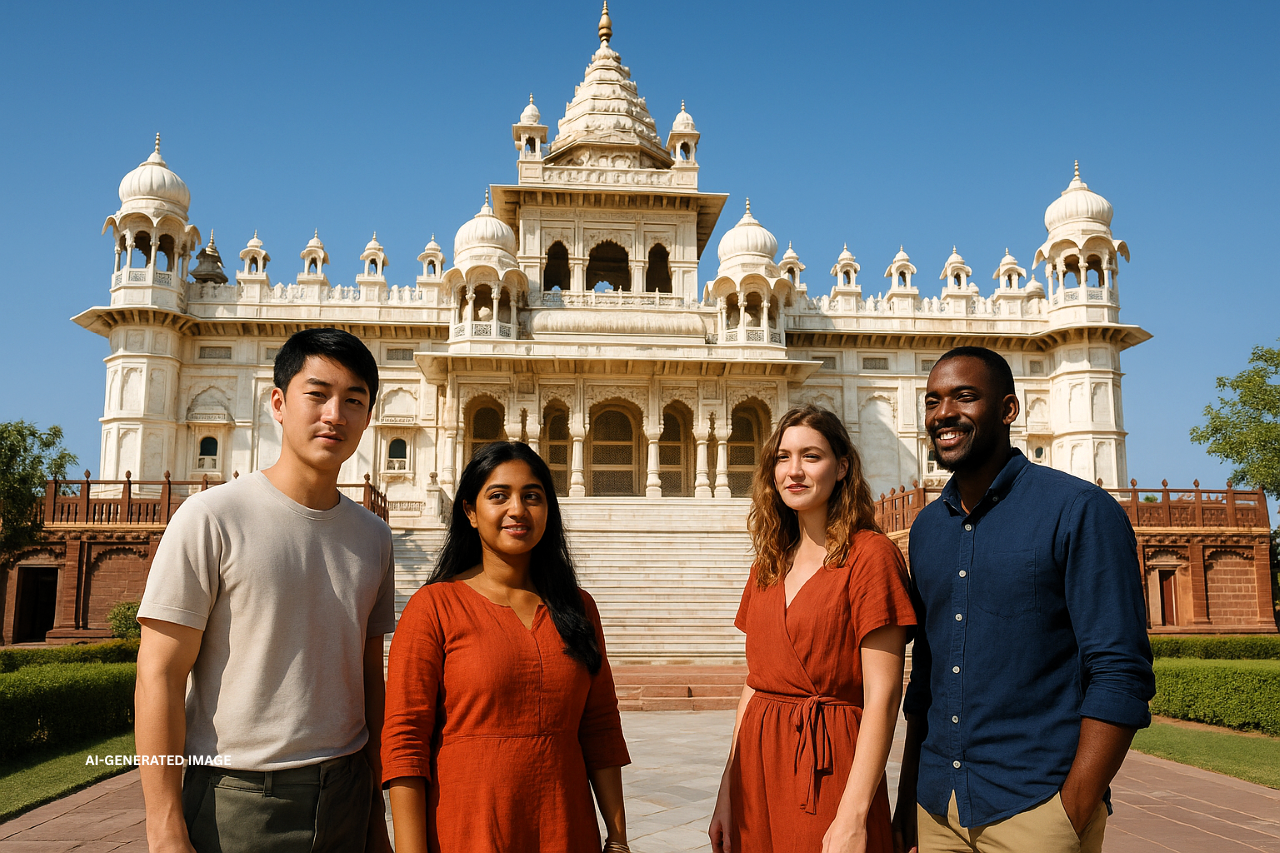
Built in 1899, this cenotaph honors Maharaja Jaswant Singh II.
-
Known as the “Taj Mahal of Marwar”, it features delicate marble latticework and serene gardens.
-
The site provides a peaceful contrast to the grandeur of Mehrangarh Fort.
Umaid Bhawan Palace – Royal Splendor
-
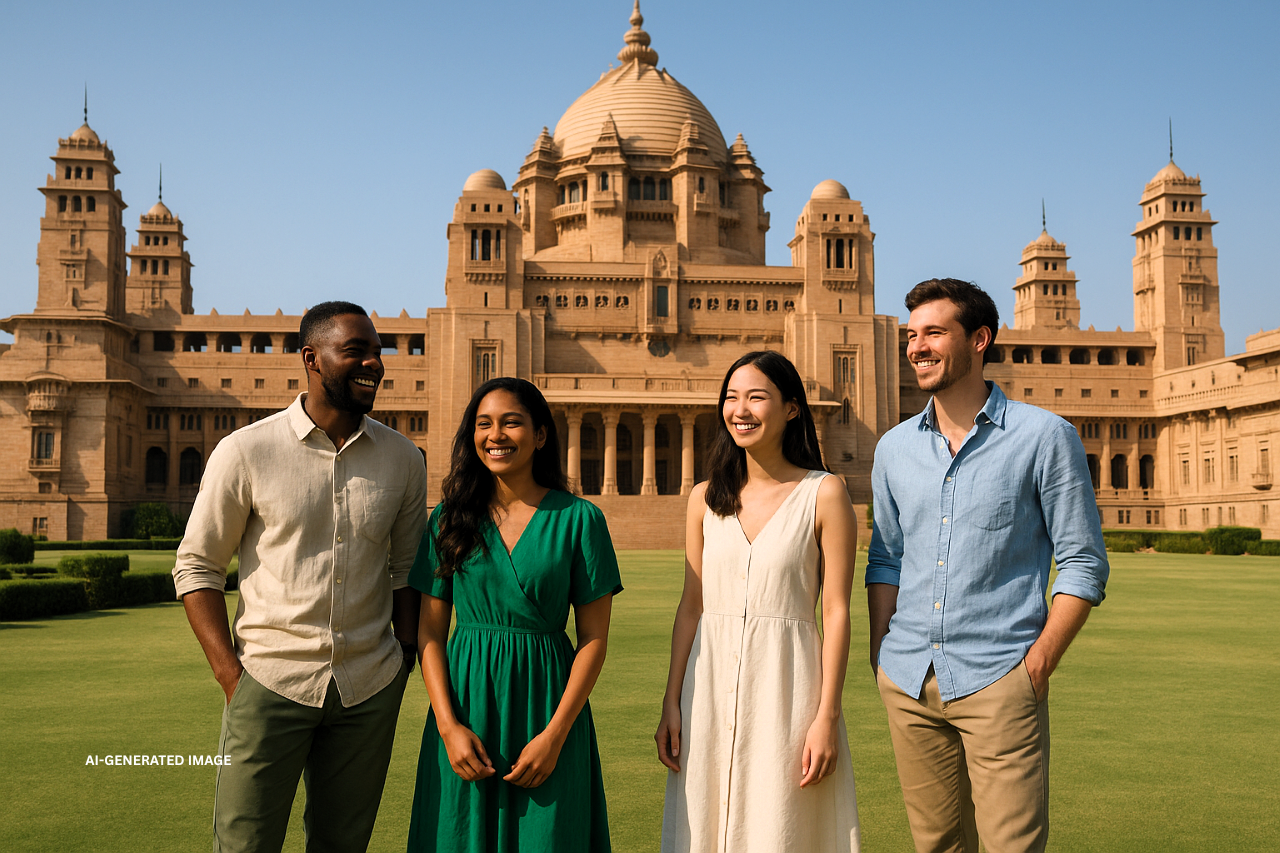
Completed in 1943, this grand palace is one of the world’s largest private residences.
-
It is divided into three parts:
-
A section where the royal family still resides.
-
A luxury hotel run by Taj Hotels.
-
A museum showcasing vintage cars, clocks, and royal memorabilia.
-
-
Staying here is a once-in-a-lifetime experience for travelers seeking luxury.
Mandore Gardens – A Historical Retreat
-
Once the capital of Marwar, before Jodhpur was established, Mandore is rich in heritage.
-
The gardens feature temples, cenotaphs of Rajput rulers, and the Hall of Heroes, which commemorates local legends.
-
It’s a tranquil spot, perfect for those who enjoy history and quiet surroundings.
Clock Tower & Sardar Market – The Bustling Bazaar
-
The Ghanta Ghar (Clock Tower) is a popular landmark surrounded by Sardar Market.
-
The market is lively, selling spices, textiles, handicrafts, and antiques.
-
The atmosphere here reflects the vibrant daily life of the city.
🛍️ Shopping Tip: Pick up authentic Rajasthani spices and Bandhej fabrics, but remember to bargain.
Rao Jodha Desert Rock Park – Nature Meets Heritage
-
Spread over 70 hectares near Mehrangarh Fort, this eco-park was created to revive the desert’s natural ecosystem.
-
Walking trails take you through volcanic rock formations and native plants.
-
It’s a refreshing break from the busy streets of Jodhpur.
Toorji Ka Jhalra (Stepwell)
-
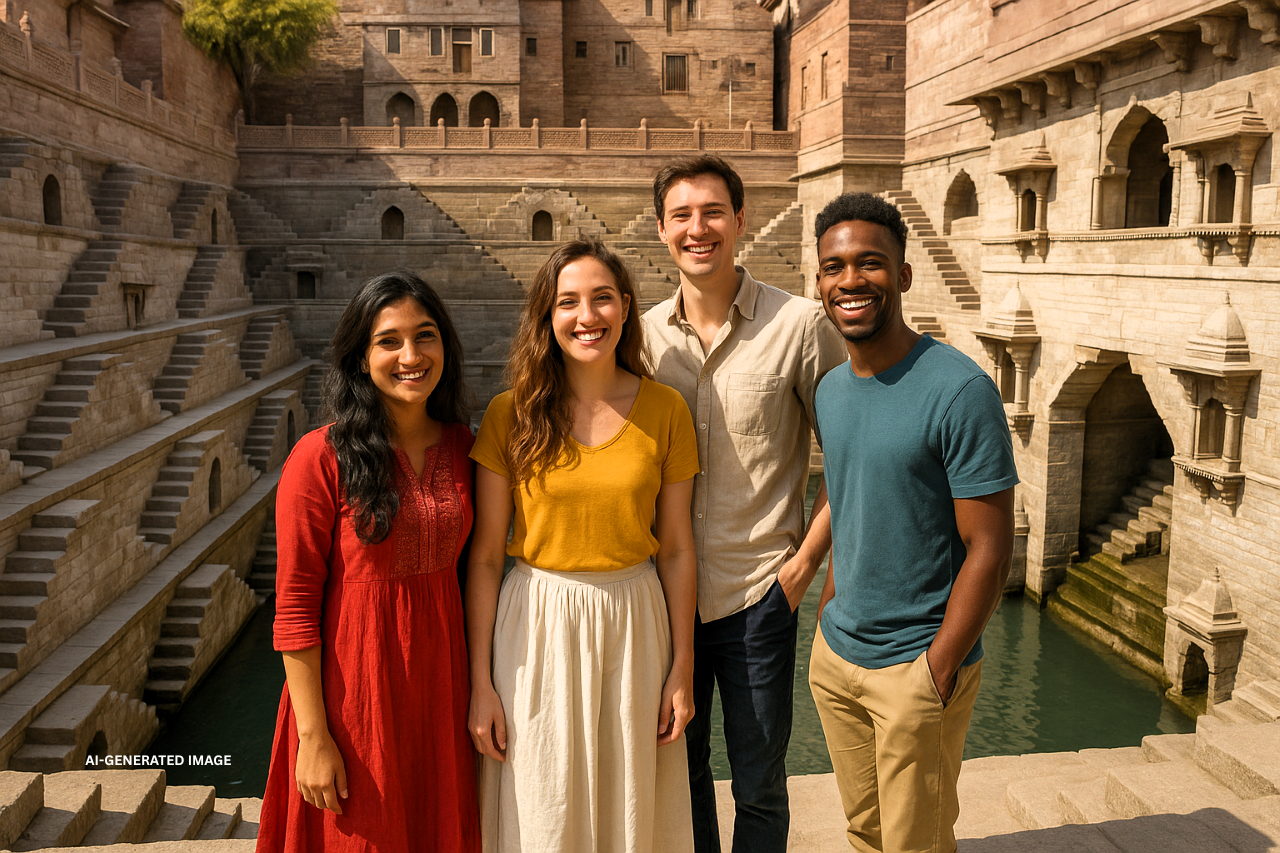
A restored 18th-century stepwell located in the old city.
-
Known for its symmetrical design and cool waters, it’s a popular photography spot.
-
Cafés around the stepwell create a perfect mix of history and modern leisure.
Chamunda Mata Temple
-
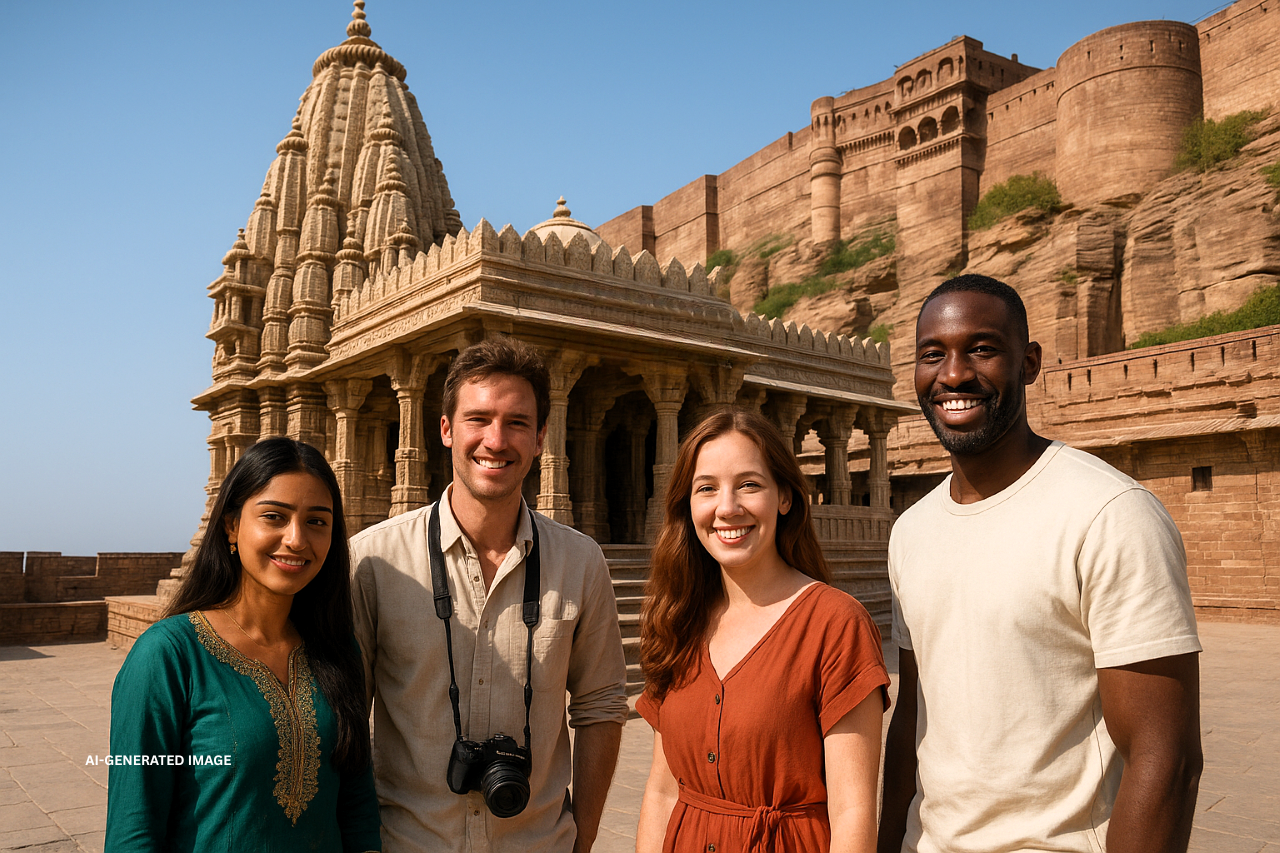
Located inside Mehrangarh Fort, this temple is dedicated to Chamunda Devi, the Rathore family’s patron deity.
-
It offers a spiritual atmosphere along with magnificent city views.
Hidden Gems in Jodhpur
-
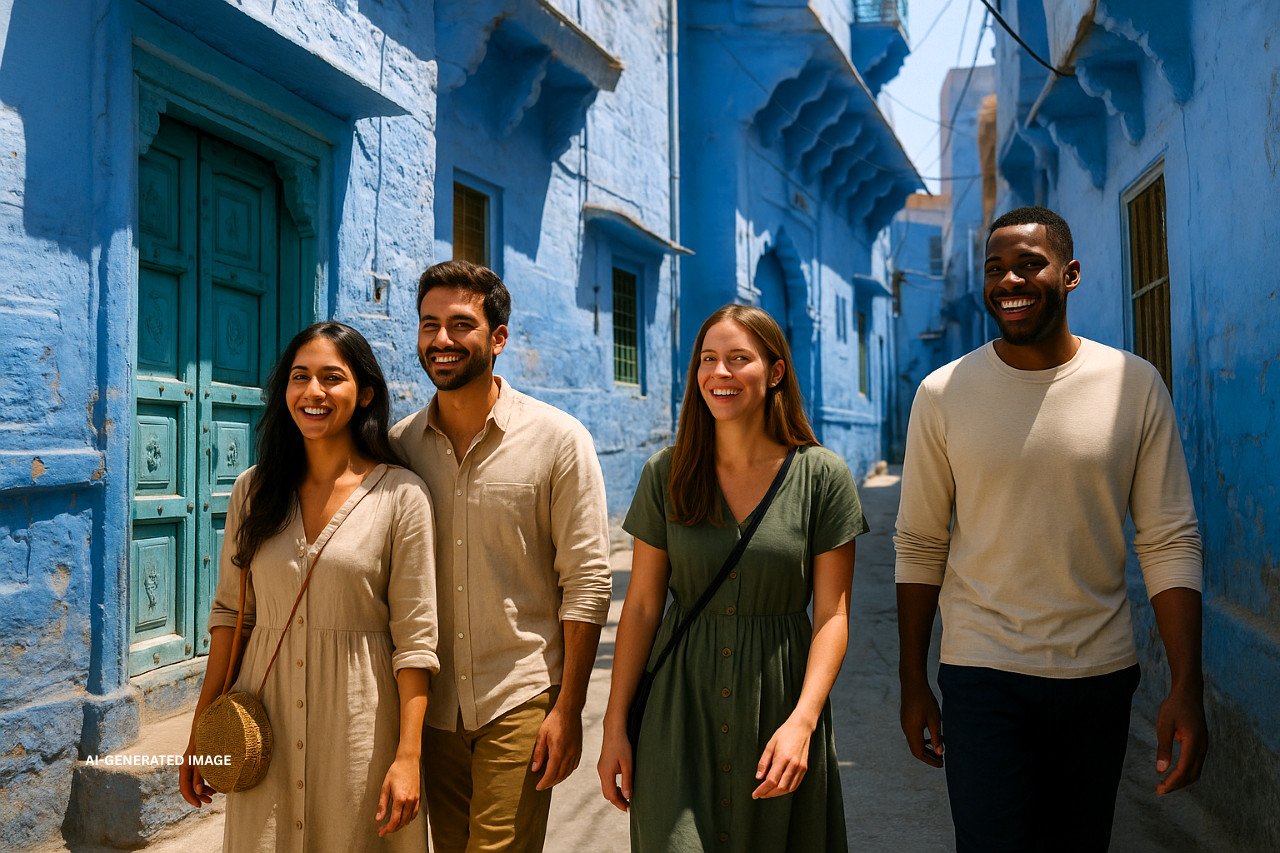
Navchokiya & Brahmapuri:
-
Famous for their blue-painted houses and narrow alleys.
-
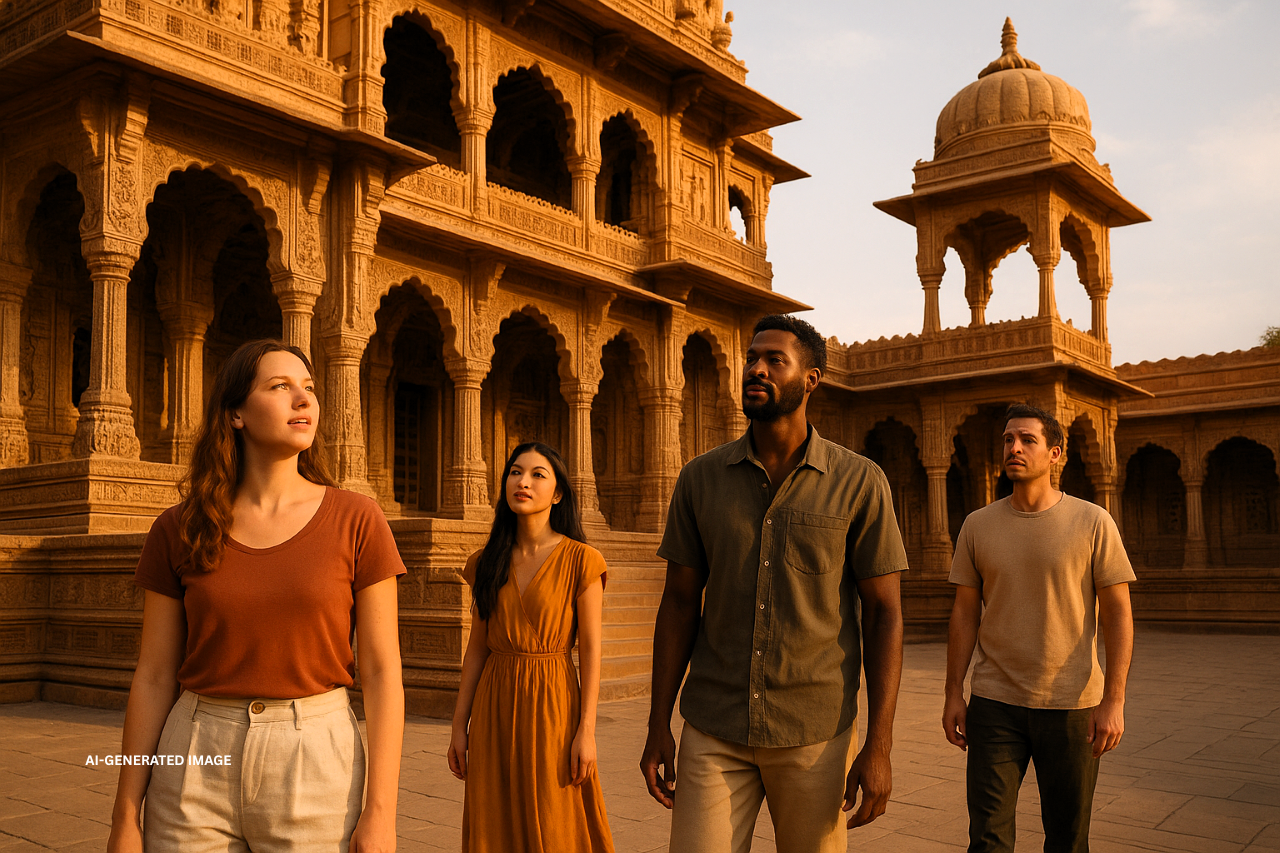
Mahamandir Temple:
-
Built in 1812, renowned for its 84 intricately carved pillars.
-
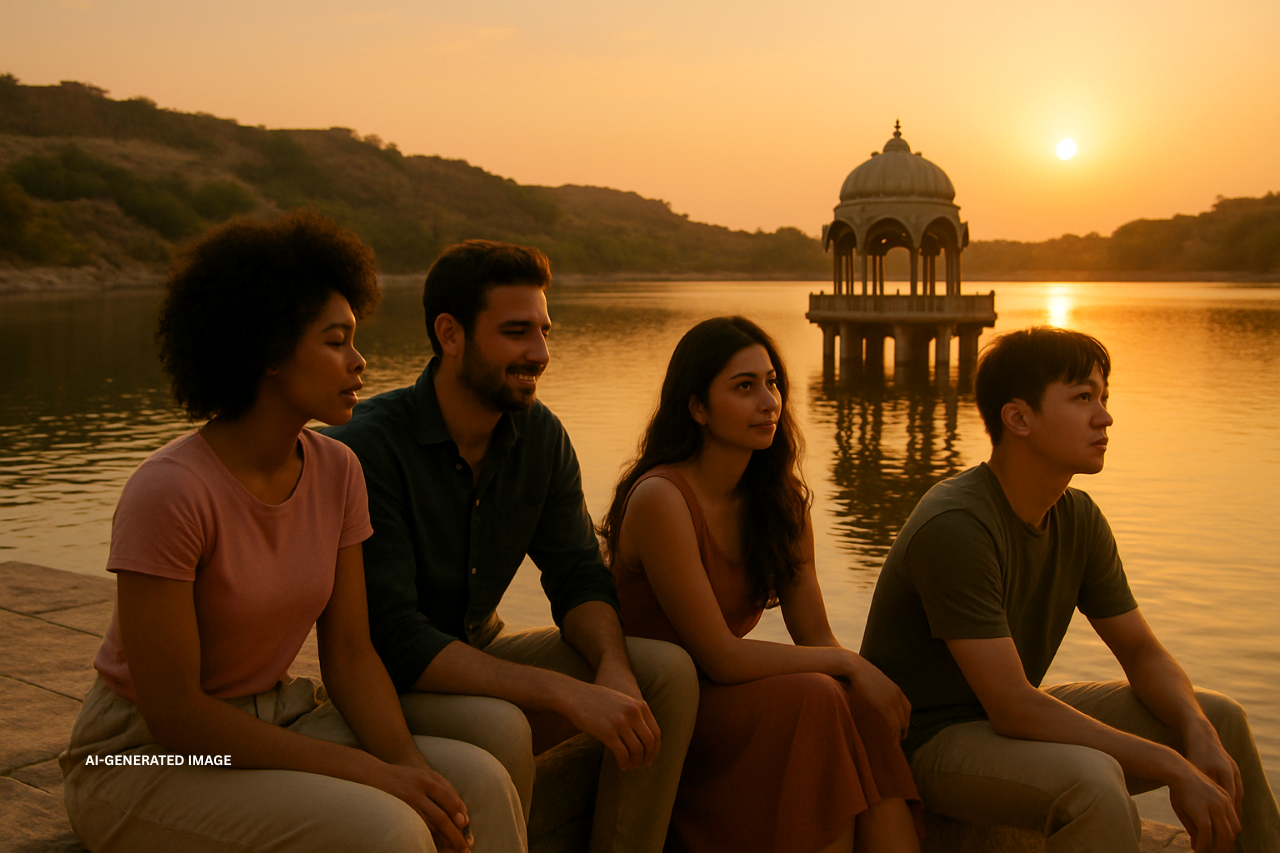
Kaylana Lake:
-
A peaceful sunset spot outside the bustling city.
Things to Do in Jodhpur
The Blue City Jodhpur is not just about historic monuments—it’s about memorable experiences that combine culture, adventure, and local life. From exploring the blue-painted alleys to tasting traditional dishes, here are the best activities for visitors.
Stroll Through the Blue Lanes
-
The old neighborhoods of Navchokiya and Brahmapuri are famous for their blue-painted houses.
-
These narrow lanes are ideal for leisurely walks and photography.
-
Early mornings and late afternoons provide the best light for capturing the vibrant shades of blue.
Try Zip-Lining at Mehrangarh Fort
-
The Flying Fox zipline offers thrilling rides across lakes and fort walls.
-
It’s one of the most exciting ways to admire the grandeur of Mehrangarh Fort and the Blue City Jodhpur from above.
-
Evening sessions are particularly spectacular as the sun sets over the desert.
Shop in Traditional Markets
Jodhpur’s markets are lively, colorful, and full of authentic treasures.
-
Sardar Market (Clock Tower):
-
Famous for spices, handicrafts, and textiles.
-
Tripolia Bazaar:
-
A great place for antiques, carpets, and souvenirs.
-
Nai Sarak:
-
Best known for Bandhani (tie-dye) fabrics.
🛍️ Souvenirs to Look For: Mojari shoes, handcrafted wooden items, Bandhej dupattas, and local spices.
Savor Authentic Rajasthani Food
Food is an essential part of the Jodhpur experience. Don’t miss:
-
Mirchi Vada:
-
A spicy chili fritter stuffed with potato.
-
Mawa Kachori:
-
A sweet delicacy filled with nuts and milk solids.
-
Dal Baati Churma:
-
A classic Rajasthani dish.
-
Laal Maas:
-
A fiery mutton curry for spice lovers.
-
Makhania Lassi:
-
A creamy, saffron-infused yogurt drink.
🌆 Dining Tip: Enjoy dinner at a rooftop café near Toorji Ka Jhalra with spectacular views of Mehrangarh Fort.
Experience Cultural Shows & Festivals
-
Rajasthan International Folk Festival (RIFF):
-
Held in October inside Mehrangarh Fort, it attracts artists from around the world.
-
Marwar Festival:
-
Celebrates local legends with folk music and dance.
-
Evening puppet shows and folk performances in havelis provide a glimpse of Rajasthan’s traditions.
Visit Bishnoi Villages
-
Just outside Jodhpur, Bishnoi villages showcase eco-friendly desert living.
-
Try pottery-making, weaving, and observe local wildlife such as blackbucks.
-
It’s a perfect way to experience rural Rajasthan.
Join Cooking Classes & Craft Workshops
-
Learn how to prepare authentic Rajasthani meals with local families.
-
Participate in workshops on tie-dye (Bandhej) or pottery.
-
These hands-on experiences connect you deeply with the culture of the Blue City Jodhpur.
Explore the Osian Desert
-
Located about 60 km from Jodhpur, Osian offers camel rides, jeep safaris, and desert camping.
-
It’s a quieter and more intimate alternative to Jaisalmer’s desert safaris.
Indulge in Luxury & Heritage Experiences
-
Stay at Umaid Bhawan Palace or RAAS Jodhpur for a royal touch.
-
Enjoy spa treatments in heritage havelis or romantic rooftop dinners with fort views.
Jodhpur Itinerary Ideas
Planning your schedule is key to enjoying the Blue City Jodhpur. Here are some suggested itineraries depending on your available time.
1-Day Itinerary – Quick Highlights
Perfect for those with limited time.
-
Morning:
-
Visit Mehrangarh Fort and Jaswant Thada.
-
Afternoon:
-
Explore Umaid Bhawan Palace Museum.
-
Evening:
-
Shop at Sardar Market and sample street food.
2-Day Itinerary – Classic Jodhpur
Ideal for most travelers.
Day 1:
Mehrangarh Fort, Jaswant Thada, Rao Jodha Desert Rock Park. Evening at Toorji Ka Jhalra.
Day 2:
Umaid Bhawan Palace, Mandore Gardens, blue lanes, and shopping.
3-Day Itinerary – Complete Experience
For travelers wanting more depth.
Day 1:
Mehrangarh Fort, Jaswant Thada, and the blue quarters.
Day 2:
Umaid Bhawan Palace, Mandore Gardens, local markets, and food crawl.
Day 3:
Excursion to the Osian Desert or the Bishnoi villages.
Extended Itinerary (4–5 Days)
If you have more time:
-
Day 4:
-
Visit Khimsar Fort or take a Bishnoi village safari.
-
Day 5:
-
Road trip to Jaisalmer, Udaipur, or Jaipur to expand your Rajasthan adventure.
Travel Tips for Itineraries
-
Start your sightseeing early to avoid crowds at major landmarks.
-
Reserve evenings for cultural performances and rooftop dining.
-
Carry cash for local shopping, as many vendors do not accept cards.
-
For photographers, sunrise and sunset are the best times to capture the beauty of the Blue City Jodhpur.
Where to Stay in Jodhpur
The Blue City Jodhpur offers a wide range of accommodations, from royal palaces to cozy guesthouses. Here’s a breakdown to help you choose:
Luxury Stays
-
Umaid Bhawan Palace:
-
Operated by Taj Hotels, this grand palace combines opulence with history, offering a truly royal experience.
-
RAAS Jodhpur:
-
A boutique hotel blending heritage with modern comfort, complete with stunning views of Mehrangarh Fort.
-
Ajit Bhawan Palace:
-
Once a royal residence, now transformed into a heritage hotel that offers regal charm and comfort.
Perfect for: Couples, honeymooners, and travelers seeking luxury.
Mid-Range Heritage Hotels
-
Haveli Inn Pal:
-
A family-run haveli that combines traditional décor with warm hospitality.
-
Ratan Vilas:
-
Known for its lush gardens and authentic Rajasthani architecture.
-
Singhvi’s Haveli:
-
Offers a boutique-style stay with a rich heritage feel.
Perfect for: Families and culture enthusiasts.
Budget Stays & Hostels
-
Zostel Jodhpur:
-
Popular among backpackers for its affordability and social vibe.
-
Stops Hostel:
-
A budget-friendly option in the heart of the city.
-
Old Blue Guesthouse:
-
Located in the blue quarters for an authentic local experience.
Perfect for: Solo travelers and budget-conscious explorers.
Unique Experiences
-
Osian Desert Camps:
-
Stay under the stars with camel rides and folk performances.
-
Village Homestays:
-
Experience Bishnoi hospitality and traditional rural life.
Local Culture & Cuisine
Culture
The Blue City Jodhpur reflects Rajasthan’s vibrant traditions and Rajput heritage.
-
Festivals:
-
The Rajasthan International Folk Festival (RIFF) and Marwar Festival showcase the region’s music, dance, and cultural pride.
-
Hospitality:
-
Known as Marwari hospitality, guests are treated with warmth and generosity.
-
Tradition Meets Modernity:
-
Old havelis now house cafés, boutique hotels, and cultural venues, giving Jodhpur a modern twist while preserving its heritage.
Cuisine
Food is a highlight of any trip to Jodhpur. Must-try dishes include:
-
Street Snacks:
-
Mirchi vada, pyaz ki kachori, and mawa kachori.
-
Traditional Meals:
-
Dal baati churma, ker sangri, and laal maas.
-
Desserts & Drinks:
-
Ghewar, gulab jamun, and makhania lassi.
🍴 Tip: For an unforgettable experience, enjoy dinner at a rooftop restaurant near Toorji Ka Jhalra, where the view of Mehrangarh Fort makes the meal even more special.
Shopping in Jodhpur
Markets in Jodhpur are lively and full of authentic treasures.
-
Sardar Market & Clock Tower:
-
Best for spices, Bandhani fabrics, and handicrafts.
-
Tripolia Bazaar:
-
Known for antiques, carpets, and brass items.
-
Nai Sarak:
-
Famous for tie-dye fabrics (Bandhej and Leheriya).
-
Sojati Gate Market:
-
Offers jewelry, handicrafts, and souvenirs.
🛍️ Must-Buy Items: Mojari shoes, Bandhej dupattas, wooden artifacts, and authentic Rajasthani spices.
💡 Shopping Tip: Bargaining is common, but always do it politely.
Day Trips & Excursions
Make your visit to the Blue City Jodhpur, even more memorable with these nearby trips:
-
Osian Desert (60 km):
-
Temples, camel rides, jeep safaris, and desert camping.
-
Bishnoi Village Safari (25 km):
-
Experience sustainable rural life and spot blackbucks.
-
Khimsar Fort (98 km):
-
A desert fort-turned-hotel offering a royal retreat.
-
Mandore (9 km):
-
Former Marwar capital with gardens, cenotaphs, and temples.
-
Road Trips:
-
Combine Jodhpur with Jaipur, Jaisalmer, or Udaipur for a complete Rajasthan circuit.
Travel Tips
-
Best Season:
-
October–March is ideal for sightseeing and festivals.
-
Clothing:
-
Wear cotton in summer and carry layers in winter; dress modestly in temples.
-
Getting Around:
-
Tuk-tuks are cheap for short distances, while walking is best in the old city.
-
Stay Hydrated:
-
Carry bottled water, especially in the summer months.
-
Safety:
-
Jodhpur is safe, but stay alert in crowded markets.
-
Photography:
-
Sunrise and sunset provide the best light for capturing the beauty of the Blue City Jodhpur.
-
Budget Tip:
-
Enjoy street food and local guesthouses for an affordable yet authentic experience.
Conclusion
Jodhpur is more than a destination—it’s an experience of Rajasthan’s royal past and vibrant present. Its forts, palaces, markets, and traditions create a unique charm that leaves travelers spellbound. Whether you’re wandering through the blue-painted lanes, enjoying a rooftop dinner with views of Mehrangarh Fort, or exploring nearby desert villages, Jodhpur offers memories that last a lifetime.
The Blue City Jodhpur is the perfect blend of history, culture, and hospitality, making it one of India’s most rewarding travel destinations.
FAQs
Why is Jodhpur called the Blue City?
Because of its blue-painted houses, originally associated with Brahmin families, and later adopted more widely.
Is Jodhpur safe for tourists?
Yes, the city is safe. Normal precautions should be taken in busy areas.
How many days do you need in Jodhpur?
At least 2–3 days to explore the main attractions, with extra time for excursions.
What is the best time to visit Jodhpur?
Between October and March, when the weather is pleasant.
Which is better to visit, Jodhpur or Jaisalmer?
Both are unique: Jodhpur is known for its forts and blue houses, while Jaisalmer is famous for its golden desert landscapes.
What foods is Jodhpur famous for?
Mirchi vada, dal baati churma, laal maas, and makhania lassi.
How do I reach Jodhpur from Delhi or Jaipur?
By flight, train, or road. Overnight trains and flights are the most convenient.
Can I do a desert safari in Jodhpur?
Yes, head to the Osian Desert for camel rides, jeep safaris, and camping.
What are the best places to shop in Jodhpur?
Sardar Market, Nai Sarak, Tripolia Bazaar, and Sojati Gate Market.
Is Jodhpur good for solo travelers?
Absolutely—it’s safe, affordable, and culturally rich, making it ideal for solo exploration.