
Introduction
Why Vietnam Is One of Asia’s Most Popular Holiday Destinations
A Vietnam holiday has emerged as one of the most rewarding travel experiences in Asia, attracting visitors from across the world, particularly from the United States, Europe, and Australia. Vietnam’s growing popularity is no coincidence; it is the result of a rare combination of natural beauty, deep cultural roots, affordability, and genuine hospitality.
Vietnam offers an impressive variety of landscapes within a single country. Travelers can move from mist-covered mountains and terraced rice fields to lively cities, historic towns, and palm-lined beaches without crossing borders. This geographical diversity allows a Vietnam holiday to feel like multiple trips in one, making it especially appealing to long-haul travelers who want maximum value from their journey.
Affordability plays a major role in Vietnam’s appeal. Compared to many international destinations, Vietnam provides excellent travel experiences at reasonable costs. Accommodation, food, local transportation, and guided activities are accessible to a wide range of budgets, allowing travelers to enjoy comfort and quality without excessive spending.
Vietnam’s cultural depth further enhances its attraction. The country’s history spans thousands of years and reflects influences from indigenous traditions, ancient philosophies, colonial periods, and modern development. This layered heritage is visible in architecture, customs, festivals, and daily life, making cultural exploration a central part of any Vietnam holiday.
Equally important is Vietnamese cuisine. Light, fresh, and flavorful, the food is often considered one of the healthiest in Asia. For many visitors, discovering Vietnamese food becomes a highlight of their Vietnam holiday, with each meal offering insight into regional identity and local traditions.
Above all, Vietnam’s people leave a lasting impression. Warmth, politeness, and a strong sense of community are deeply embedded in Vietnamese society, creating a welcoming atmosphere that makes travelers feel comfortable from the moment they arrive.
What Makes a Vietnam Holiday Unique Compared to Other Southeast Asian Countries
While Southeast Asia is filled with attractive travel destinations, a Vietnam holiday stands apart due to its authenticity and balance. Vietnam does not rely on a single attraction or travel theme. Instead, it offers a complete experience that blends culture, nature, history, food, and everyday life.
One of Vietnam’s defining qualities is its strong cultural identity. Tourism exists alongside local life rather than replacing it. Visitors often find themselves sharing streets, markets, and public spaces with locals going about their daily routines. This authenticity allows travelers to experience Vietnam as it truly is, not just as a tourist destination.
Vietnam’s natural scenery also feels raw and dramatic. From limestone formations and river deltas to highland villages and coastal stretches, the landscapes retain a sense of scale and openness that many travelers find refreshing. Even popular destinations maintain a close connection to nature, which enhances the overall Vietnam holiday experience.
History plays a visible role in Vietnam’s cities and towns. Ancient kingdoms, colonial architecture, and modern historical landmarks coexist throughout the country. This constant presence of history adds depth and meaning to travel, particularly for visitors who enjoy learning while exploring.
Food culture is another key distinction. Vietnamese cuisine emphasizes balance and freshness rather than heavy sauces or overly rich flavors. Each region offers distinct culinary traditions, making food exploration an ongoing experience throughout a Vietnam holiday.
Vietnam also transitions smoothly between different travel styles. A traveler can move from busy urban centers to quiet countryside areas or relaxed beach destinations with ease. This flexibility allows Vietnam to suit a wide range of travel preferences within a single itinerary.
Who Should Plan a Vietnam Holiday?
A Vietnam holiday suits an exceptionally wide range of travelers, making it one of the most versatile destinations in Asia.
For first-time visitors to Asia, Vietnam offers a comfortable introduction. Tourist infrastructure is well developed, major transport routes are reliable, and English is commonly spoken in travel-related services. Vietnam is also considered relatively safe, which adds confidence for new travelers.
Couples and honeymooners often choose Vietnam for its romantic landscapes and peaceful destinations. Quiet towns, scenic countryside, and beach retreats create ideal settings for shared experiences and relaxation.
Families find Vietnam welcoming and practical. Affordable accommodation, short travel distances, and engaging cultural experiences make it suitable for children and older travelers alike. Vietnamese society places strong value on family, which often translates into warm interactions with visiting families.
Solo travelers and backpackers are drawn to Vietnam for its affordability, social atmosphere, and ease of movement. Hostels, cafes, and transportation networks make independent travel straightforward and enjoyable.
Adventure seekers can enjoy trekking, cycling, kayaking, and rural exploration, while slow travelers and digital nomads appreciate Vietnam’s relaxed lifestyle, cafe culture, and low cost of living.
In short, a Vietnam holiday adapts easily to different needs, making it an excellent choice for almost every traveler profile.
Understanding Vietnam’s Geography and Travel Diversity
Vietnam’s unique geography plays a significant role in shaping travel experiences. Stretching from north to south, the country features distinct regions with their own landscapes, climates, and cultural characteristics.
Northern regions are known for cooler temperatures, mountainous terrain, and traditional communities. Central regions reflect imperial history, ancient towns, and coastal scenery. Southern regions offer tropical warmth, river landscapes, and modern city life.
This diversity allows travelers to design a Vietnam holiday that matches their preferences, whether focused on culture, nature, relaxation, or exploration. Even during certain weather seasons, travelers can often shift their focus to another region with better conditions.
Setting the Right Expectations for Your Vietnam Holiday
A successful Vietnam holiday begins with realistic expectations and thoughtful planning. Vietnam is dynamic and sometimes unpredictable, but this unpredictability is part of its charm. Flexibility allows travelers to enjoy spontaneous moments, unexpected encounters, and authentic cultural discoveries.
Choosing destinations carefully, allowing time for rest, and approaching the journey with curiosity rather than rigid schedules leads to a more fulfilling experience. Vietnam rewards travelers who remain open to exploration and cultural exchange.
With the right mindset, a Vietnam holiday becomes not just a trip, but a memorable journey shaped by people, places, and experiences.
Best Time to Visit Vietnam
Choosing the right season is one of the most important decisions when planning a Vietnam holiday. Because Vietnam stretches across a long geographical span, weather conditions vary widely from one region to another. As a result, there is no single “perfect” time to visit the entire country. Instead, the ideal timing depends on which regions you plan to explore and the type of experiences you are seeking.
Understanding Vietnam’s climate helps travelers avoid discomfort, plan realistic itineraries, and enjoy outdoor activities with fewer disruptions. With thoughtful planning, a Vietnam holiday can be enjoyable at almost any time of year.
Understanding Vietnam’s Climate and Regional Weather Patterns
Vietnam experiences three main climate zones: northern, central, and southern. Each region follows its own seasonal pattern, which directly influences travel conditions.
Northern Vietnam Weather
Northern Vietnam experiences noticeable seasonal changes. Winters are cooler and can feel cold in mountainous areas, while summers are warm and humid. The transitional seasons generally offer more comfortable temperatures and clearer skies, making them suitable for sightseeing and outdoor exploration.
Travelers planning a Vietnam holiday focused on cultural landmarks, city walks, and scenic landscapes often find northern Vietnam most enjoyable during these milder periods.
Central Vietnam Weather
Central Vietnam has a distinctive climate influenced by coastal winds and seasonal rain systems. Certain months bring heavier rainfall, while others offer extended periods of sunshine. Weather conditions can change quickly, so flexibility is important when traveling in this region.
When conditions are favorable, central Vietnam is well suited for heritage exploration and coastal experiences during a Vietnam holiday.
Southern Vietnam Weather
Southern Vietnam remains warm throughout the year and follows a tropical pattern rather than distinct seasons. Instead of winter and summer, the region experiences drier and wetter periods. Rain usually falls in short bursts rather than lasting all day, allowing travelers to continue sightseeing.
This consistent warmth makes southern Vietnam a reliable choice for travelers seeking year-round comfort during a Vietnam holiday.
Best Time to Visit Vietnam for Sightseeing
For travelers interested in cultural attractions, historic sites, and city exploration, moderate weather conditions are ideal. Comfortable temperatures make walking tours, outdoor markets, and extended sightseeing far more enjoyable.
Periods with lower humidity and reduced rainfall allow travelers to explore cities and heritage areas without physical strain. These conditions are especially helpful for first-time visitors who want a relaxed and smooth Vietnam holiday experience.
Favorable sightseeing weather also improves photography, enabling travelers to capture Vietnam’s architecture, landscapes, and everyday life in the best possible light.
Best Time to Visit Vietnam for Beaches and Island Holidays
A Vietnam holiday that includes beaches or islands should be planned around sea conditions and levels of sunshine. Calm waters and clear skies are important for swimming, snorkeling, and boat excursions.
Certain months provide ideal coastal conditions, making them perfect for travelers seeking relaxation and water-based activities. During less favorable seasons, rough seas or frequent rain may limit marine experiences.
However, Vietnam’s long coastline means that even if one area experiences poor weather, another region may still offer pleasant beach conditions. Strategic planning allows travelers to enjoy coastal experiences during their Vietnam holiday without major compromises.
Best Time to Visit Vietnam for Festivals and Cultural Events
Cultural celebrations add a special dimension to a Vietnam holiday. Many of Vietnam’s most important festivals follow the lunar calendar and are deeply rooted in tradition.
During major celebrations, families gather, cities become festive, and traditional customs are observed across the country. These periods provide travelers with rare insight into Vietnamese values, beliefs, and community life.
However, festivals can also bring crowded transportation hubs and limited accommodation availability. Travelers who plan a Vietnam holiday around festivals should book well in advance and remain flexible with their schedules.
Worst Time to Visit Vietnam (And When to Avoid Certain Regions)
There is no absolute worst time to visit Vietnam, but certain periods may be less suitable depending on travel goals. Heavy rainfall, high humidity, or storms can affect specific regions at certain times of the year.
Mountainous areas may become difficult to access during intense rainfall, while coastal regions can experience rough seas during storm seasons. These conditions can limit outdoor activities and transportation options.
That said, Vietnam’s regional diversity allows travelers to adjust itineraries rather than cancel plans entirely. Shifting focus to another region often ensures a comfortable Vietnam holiday, even during challenging weather periods.
Best Month to Visit Vietnam for First-Time Travelers
For first-time visitors, selecting a month with stable weather and minimal disruptions is especially important. Comfortable temperatures and predictable conditions allow travelers to explore confidently and enjoy a wide range of experiences.
First-time travelers often benefit from avoiding periods of extreme heat or heavy rainfall, as these conditions can make sightseeing more demanding. A well-timed Vietnam holiday creates a positive first impression and encourages deeper exploration.
Month-by-Month Overview for a Vietnam Holiday
Each month in Vietnam offers a different travel atmosphere. Some months bring lush green landscapes after rainfall, while others provide clear skies and ideal conditions for outdoor activities.
Understanding seasonal changes helps travelers match their interests with the most suitable time of year. Whether the goal is cultural immersion, photography, beach relaxation, or city exploration, Vietnam offers appropriate options throughout the year.
This flexibility makes a Vietnam holiday appealing to travelers with varying schedules and travel preferences.
Peak Season vs Off-Season Travel in Vietnam
Peak travel periods usually coincide with favorable weather and major holidays. During these times, popular destinations are lively but may also be crowded and more expensive.
Off-season travel offers a quieter atmosphere and lower costs. While weather conditions may be less predictable, many travelers appreciate the calmer environment and increased opportunities for local interaction.
Choosing between peak and off-season travel depends on personal preferences, budget, and tolerance for weather variability. Both options can deliver a rewarding Vietnam holiday when planned carefully.
How Weather Influences Your Vietnam Holiday Itinerary
Weather plays a crucial role in shaping travel plans. Activities such as trekking, cruising, and island hopping are highly dependent on seasonal conditions.
By aligning destinations and activities with weather patterns, travelers can maximize enjoyment and minimize disruptions. A flexible itinerary allows adjustments when conditions change, ensuring a smoother Vietnam holiday overall.
With proper planning, weather becomes a strategic consideration rather than an obstacle.
Vietnam Tourist Places
One of the biggest reasons travelers choose a Vietnam holiday is the country’s remarkable variety of tourist places. Vietnam is not defined by a single landmark or region. Instead, it offers a wide spectrum of destinations, ranging from historic cities and ancient towns to dramatic natural landscapes, tropical islands, and peaceful rural areas.
What makes Vietnam especially appealing is how different each region feels. Traveling from one part of the country to another often feels like entering a new cultural and geographical world. This diversity allows travelers to design a Vietnam holiday that matches their interests—whether they are drawn to history, nature, city life, or relaxation.
Overview of Vietnam Tourist Places by Region
Vietnam is commonly divided into three major travel regions: Northern Vietnam, Central Vietnam, and Southern Vietnam. Each region has its own character, pace of life, and travel highlights.
-
Northern Vietnam is known for traditional culture, scenic mountains, and historic cities.
-
Central Vietnam is rich in heritage, ancient architecture, and coastal beauty.
-
Southern Vietnam offers modern urban energy, river landscapes, and tropical island escapes.
Understanding this regional structure helps travelers plan a Vietnam holiday that flows smoothly and avoids unnecessary travel fatigue.
Northern Vietnam Tourist Places
Northern Vietnam attracts travelers who enjoy culture, history, and dramatic scenery. The region’s cooler climate during certain months and its strong traditional identity make it a favorite for both first-time visitors and repeat travelers.
Hanoi
Hanoi is the cultural and political heart of the country and a key stop on almost every Vietnam holiday. The city blends old-world charm with modern life, creating a distinctive atmosphere that feels both historic and lively.
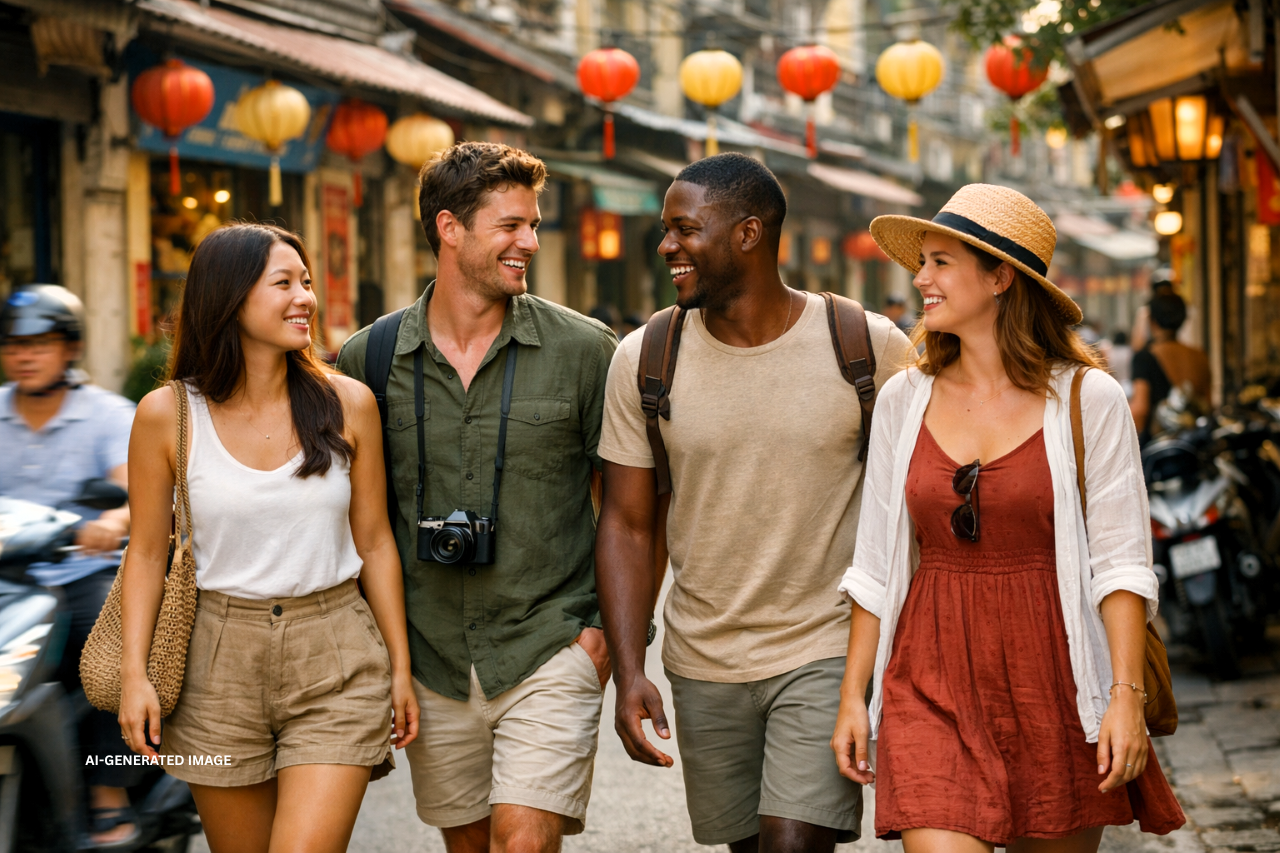
Narrow streets, colonial-era buildings, lakes, and traditional neighborhoods give Hanoi a timeless character. Travelers interested in culture, local food, museums, and daily life will find the city deeply rewarding.
Ha Long Bay
Ha Long Bay is one of Vietnam’s most celebrated natural attractions. Famous for its towering limestone formations rising from calm waters, it represents the country’s natural beauty at its finest.
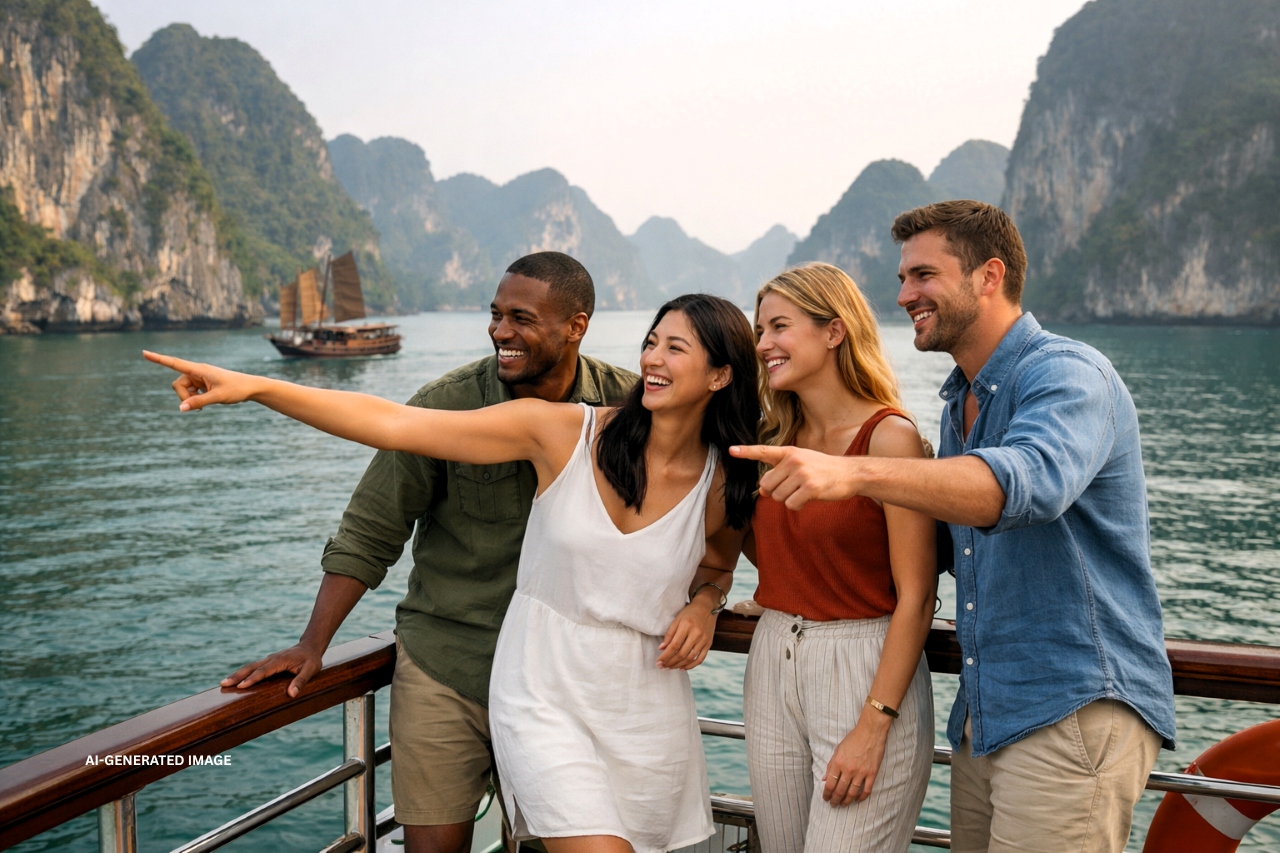
Many travelers explore the bay through overnight cruises, which allow time to appreciate the scenery, enjoy peaceful moments on the water, and experience the landscape at different times of day. Including Ha Long Bay adds a memorable highlight to any Vietnam holiday.
Sapa
Sapa is a mountain destination known for terraced rice fields, misty valleys, and ethnic minority villages. It appeals strongly to travelers who enjoy nature, photography, and cultural encounters.
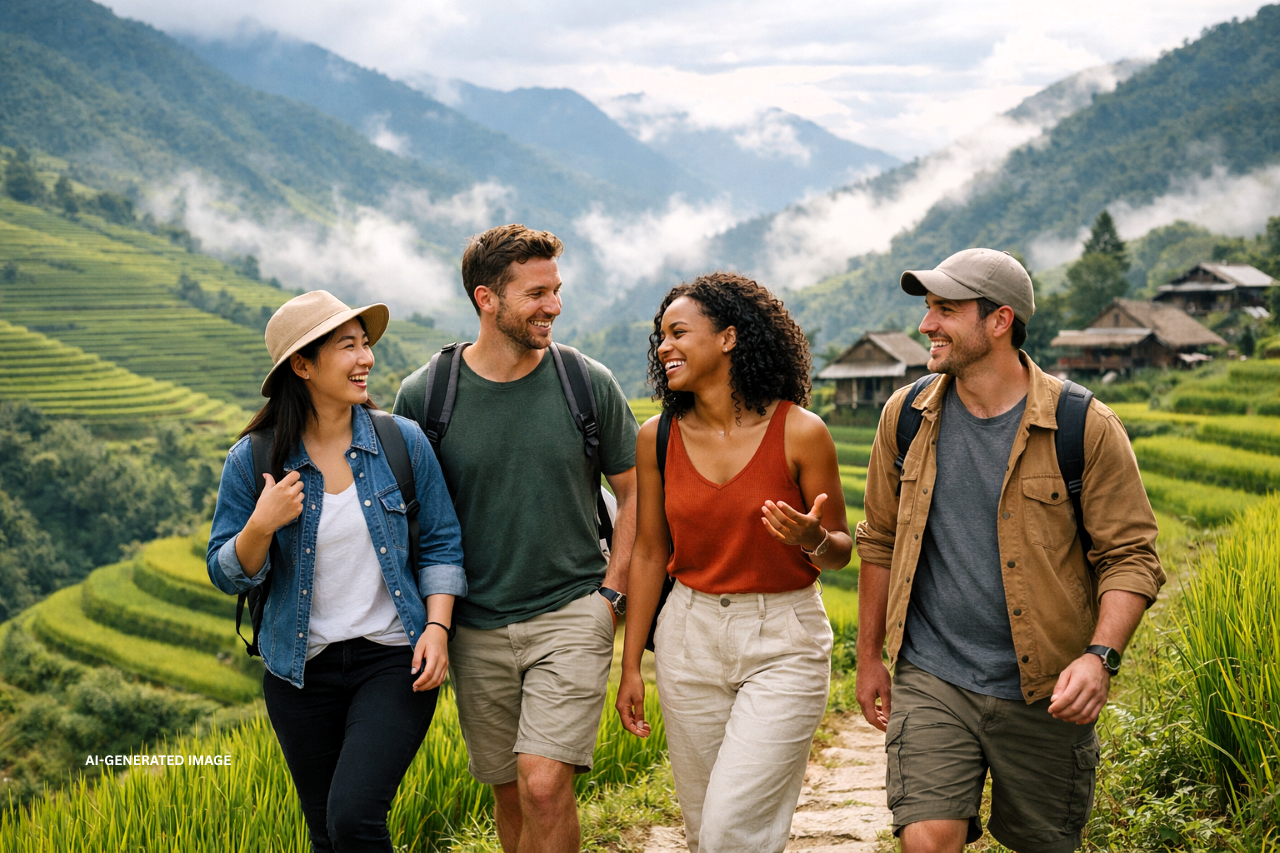
Visiting Sapa offers a slower pace of travel and a deeper look into rural traditions. It provides a striking contrast to city life and adds balance to a Vietnam holiday itinerary.
Central Vietnam Tourist Places
Central Vietnam is the historical soul of the country. This region showcases imperial heritage, ancient trading towns, and coastal landscapes, making it ideal for travelers interested in culture and architecture.
Hue
Hue was once the imperial capital of Vietnam and remains one of its most historically significant cities. It is known for its royal heritage, ancient structures, and calm atmosphere.
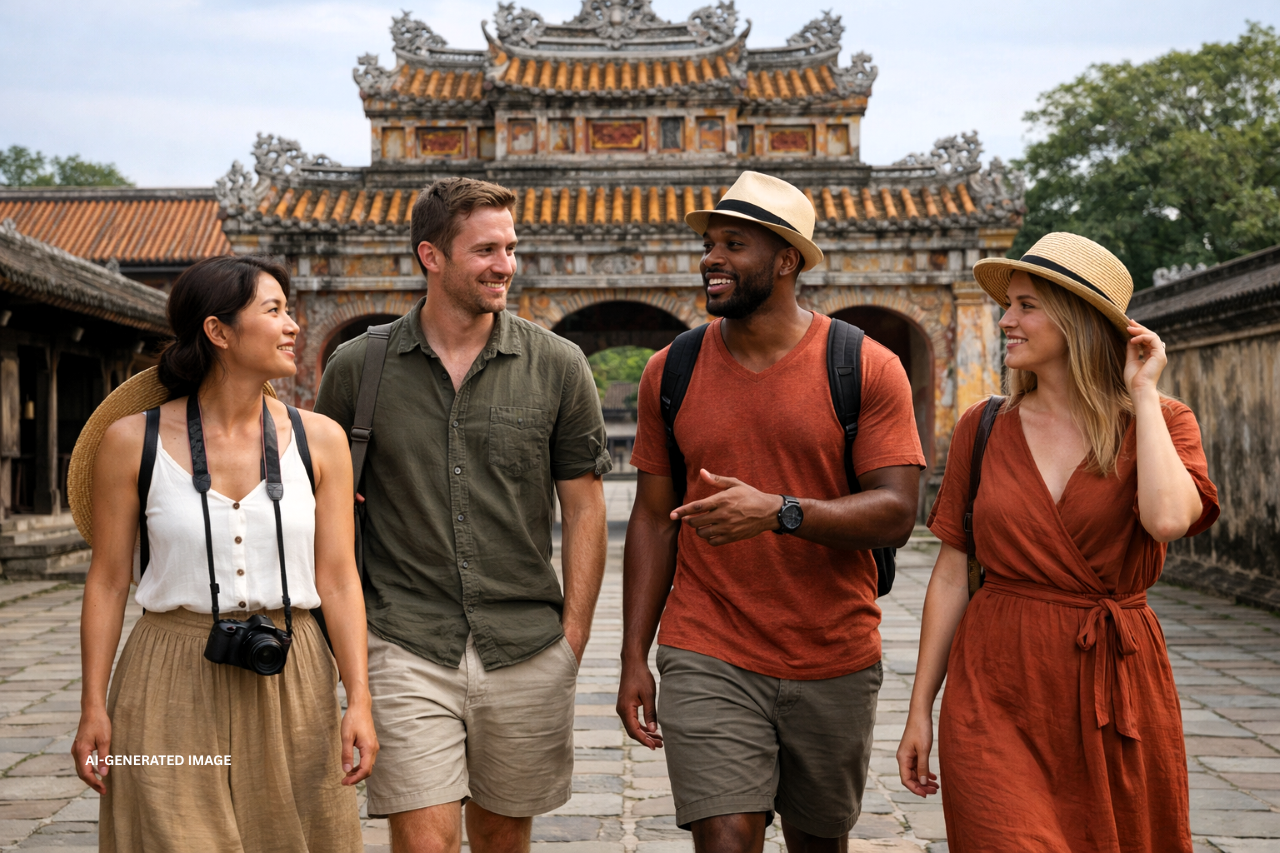
Travelers who enjoy history and traditional architecture often find Hue to be one of the most meaningful stops on their Vietnam holiday. Its quieter pace encourages thoughtful exploration rather than rushed sightseeing.
Hoi An
Hoi An is widely considered one of Vietnam’s most charming towns. Its well-preserved streets, historic buildings, and lantern-lit evenings create a warm and inviting atmosphere.
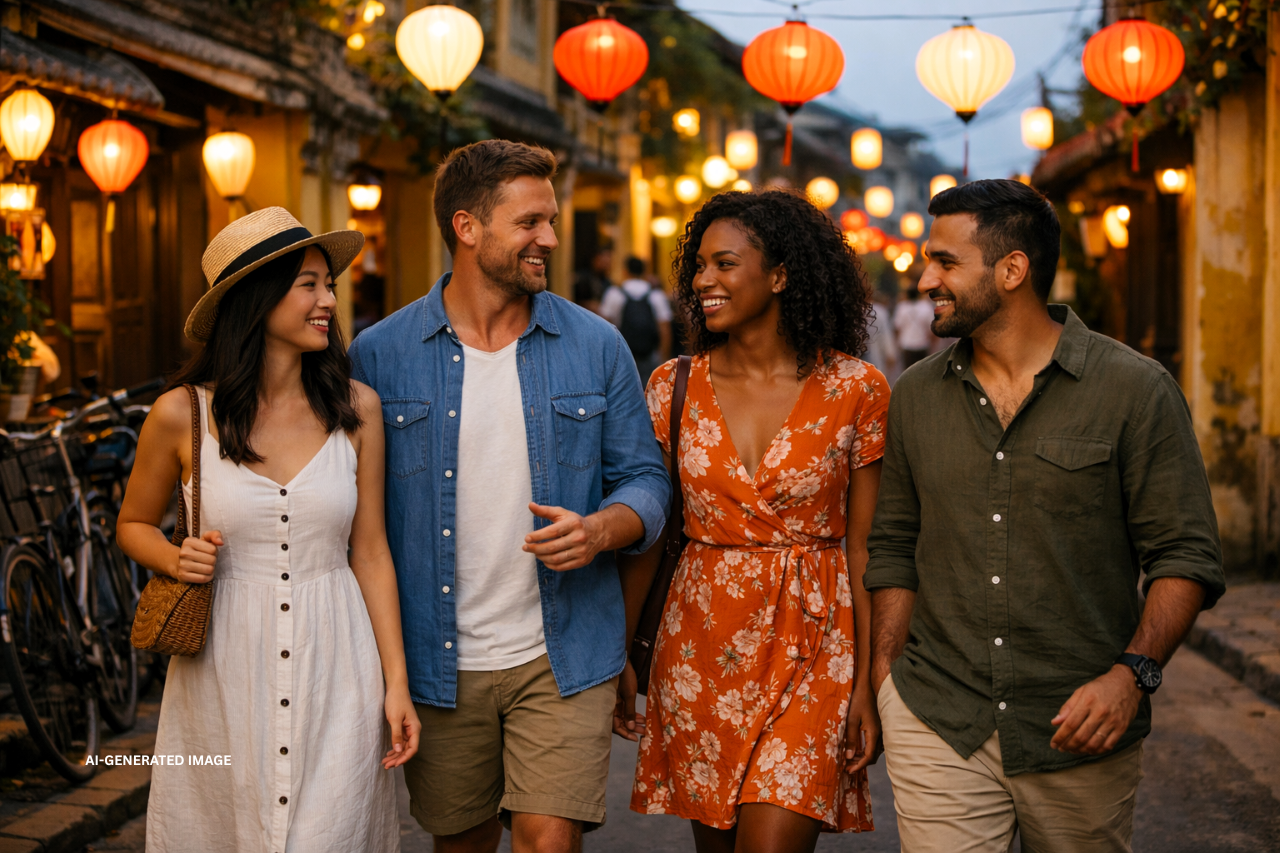
Hoi An is ideal for relaxed exploration, local shopping, and food experiences. Its compact layout makes it easy to enjoy at a gentle pace, which many travelers appreciate during a Vietnam holiday.
Da Nang
Da Nang is a modern coastal city that serves as a convenient base for exploring central Vietnam. It offers a mix of urban comfort, beach access, and nearby cultural attractions.
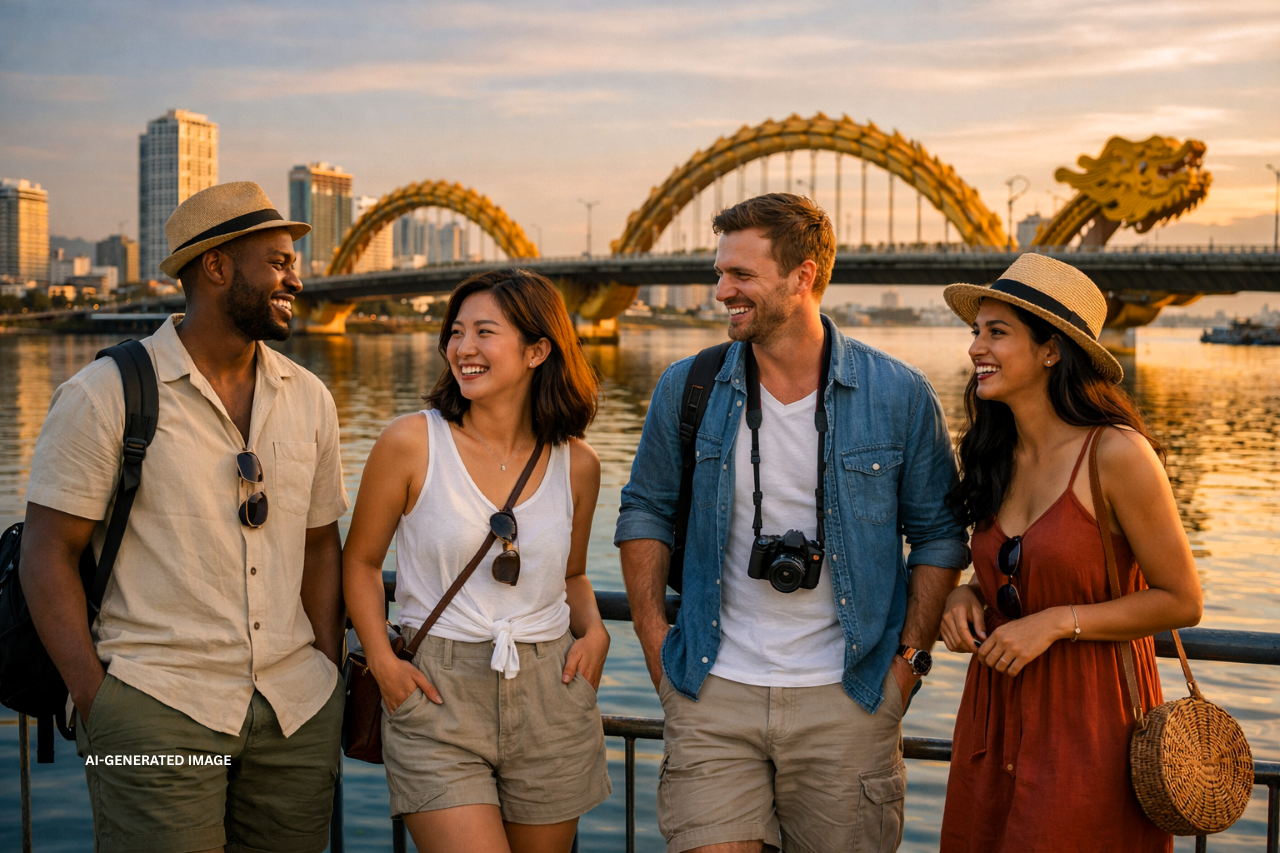
With good infrastructure and a relaxed coastal vibe, Da Nang appeals to travelers who want comfort without losing access to cultural and natural experiences.
Southern Vietnam Tourist Places
Southern Vietnam is energetic, warm, and diverse. It combines fast-paced city life with rural landscapes and island destinations, making it an essential part of a well-rounded Vietnam holiday.
Ho Chi Minh City
Ho Chi Minh City is Vietnam’s largest and most dynamic city. It reflects the country’s modern growth while preserving important historical landmarks.

The city offers excellent food, shopping, nightlife, and cultural attractions. Many travelers begin or end their Vietnam holiday here due to its international connections and vibrant atmosphere.
Mekong Delta
The Mekong Delta represents Vietnam’s agricultural heartland. Characterized by rivers, canals, and fertile farmland, it provides insight into traditional rural life.
Visiting the Mekong Delta adds cultural depth to a Vietnam holiday, especially for travelers interested in local lifestyles, markets, and countryside scenery.
Phu Quoc
Phu Quoc is Vietnam’s most well-known island destination. It is popular for its beaches, relaxed environment, and resort-style accommodation.
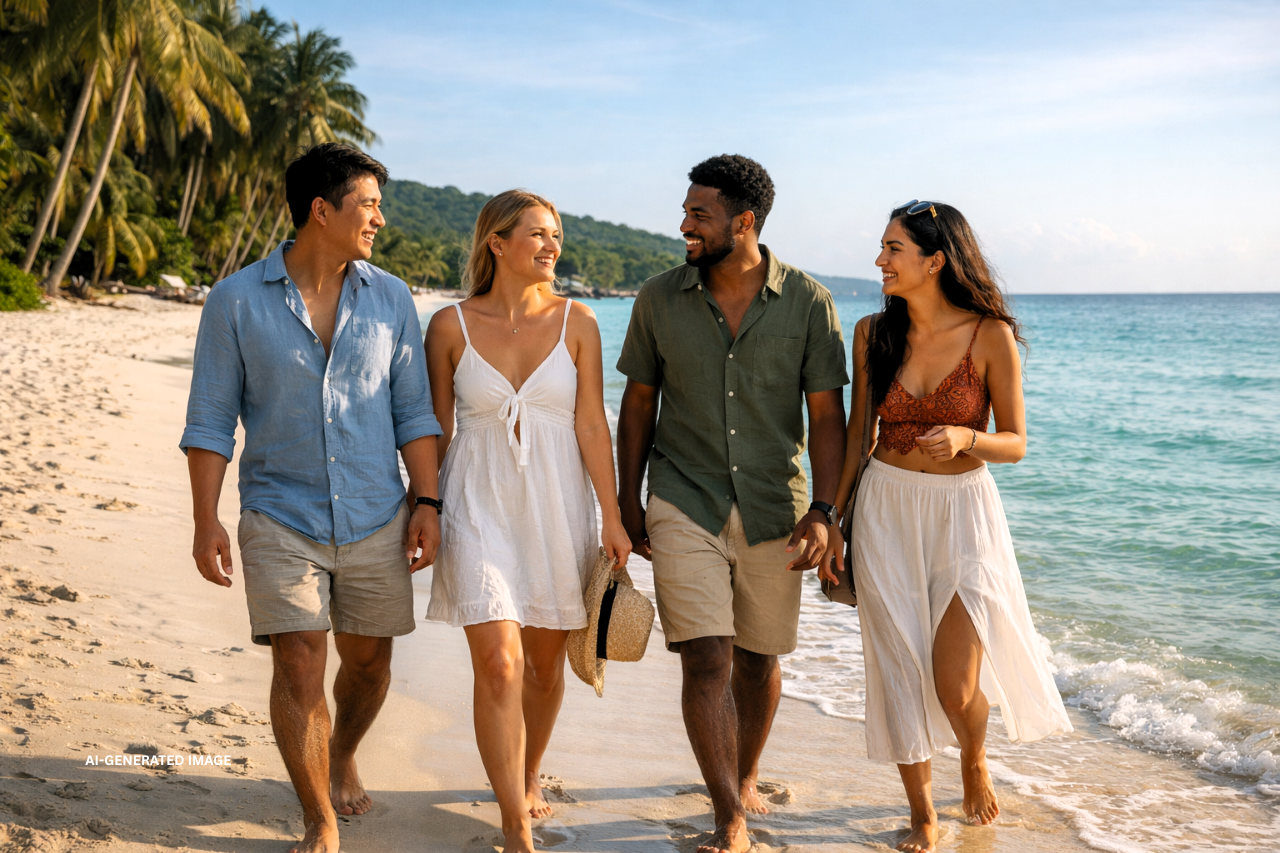
Many travelers include Phu Quoc at the end of their Vietnam holiday to unwind after exploring cities and cultural sites. It offers a peaceful conclusion to a diverse journey.
Hidden Gems and Lesser-Known Tourist Places in Vietnam
Beyond major destinations, Vietnam is filled with lesser-known towns, rural areas, and scenic locations that reward curious travelers. These hidden gems often provide quieter experiences and stronger connections with local culture.
Exploring offbeat destinations allows travelers to experience Vietnam away from crowds and gain a deeper understanding of everyday life. Including one or two lesser-known places can significantly enrich a Vietnam holiday.
Urban and Rural Contrast in Vietnam Tourist Places
One of Vietnam’s greatest strengths is the contrast between its cities and countryside. Urban centers offer modern conveniences, cultural institutions, and entertainment, while rural areas provide tranquility, natural beauty, and traditional lifestyles.
A balanced Vietnam holiday usually includes both environments. This contrast allows travelers to experience the full range of Vietnam’s social and cultural landscape.
Choosing Vietnam Tourist Places Based on Your Travel Style
Vietnam’s wide range of tourist places makes it easy to tailor a trip. History lovers may focus on heritage cities, nature enthusiasts may prefer mountains and countryside, while beach lovers gravitate toward coastal and island destinations.
Families, couples, solo travelers, and adventure seekers can all find destinations suited to their preferences. Thoughtful selection of places ensures that a Vietnam holiday feels personal, comfortable, and memorable.
Things to Do in Vietnam
One of the most exciting aspects of a Vietnam holiday is the incredible range of activities available across the country. Vietnam is not a destination limited to sightseeing alone. Instead, it invites travelers to actively engage with its culture, landscapes, cities, and traditions. Whether someone prefers cultural discovery, outdoor adventure, relaxation, or urban exploration, Vietnam offers experiences suited to every travel style.
The wide variety of things to do in Vietnam reflects the country’s geographical and cultural diversity. From mountains and rivers to beaches and vibrant cities, each region presents unique opportunities that make a Vietnam holiday dynamic and deeply memorable.
Cultural and Historical Experiences in Vietnam
Cultural exploration forms the foundation of a meaningful Vietnam holiday. Vietnam’s long and complex history has shaped its traditions, architecture, and way of life, offering travelers countless opportunities to learn and connect.
Visiting Temples, Pagodas, and Sacred Sites
Vietnam is home to thousands of temples and pagodas, many of which remain active centers of worship. Visiting these sites allows travelers to observe spiritual practices that continue to be part of everyday life.
These sacred places are often peaceful and reflective, offering a welcome contrast to busy city streets. Respectful behavior and modest dress help visitors appreciate these cultural landmarks more deeply.
Exploring Historical Sites and Monuments
Historical landmarks across Vietnam provide insight into the country’s past, including ancient civilizations, imperial eras, colonial influence, and modern history. Walking through these sites helps travelers understand how Vietnam’s identity has evolved over time.
Including historical exploration in a Vietnam holiday adds context and meaning to the journey, rather than treating destinations as isolated attractions.
Experiencing Traditional Arts and Performances
Vietnamese performing arts, music, and storytelling traditions remain an important part of cultural life. Watching live performances introduces travelers to artistic expressions that have been preserved and passed down through generations.
These experiences offer a deeper appreciation of Vietnamese heritage and enrich the cultural dimension of a Vietnam holiday.
Nature and Adventure Activities in Vietnam
Vietnam’s diverse natural landscapes provide countless opportunities for adventure and outdoor activities. Mountains, forests, rivers, and coastlines create varied settings for travelers who enjoy exploring nature.
Trekking and Hiking Through Scenic Landscapes
Trekking in Vietnam allows travelers to experience rural areas, scenic valleys, and traditional villages. Trails often pass through farmland and remote communities, offering both natural beauty and cultural interaction.
Trekking routes vary in difficulty, making them suitable for beginners as well as experienced hikers. These journeys are especially rewarding for travelers seeking an active Vietnam holiday.
Cycling Through Countryside and Villages
Cycling is a popular way to explore Vietnam’s rural landscapes at a relaxed pace. Quiet roads, open fields, and village paths make cycling both enjoyable and immersive.
This activity allows travelers to stop frequently, interact with locals, and observe daily life, creating a more personal and authentic Vietnam holiday experience.
River, Lake, and Water Adventures
Vietnam’s waterways play a vital role in transportation, agriculture, and culture. Activities such as kayaking, boating, and river cruising offer unique perspectives on the landscape.
Water-based adventures combine sightseeing with relaxation and are ideal for travelers who want gentle outdoor activities during their Vietnam holiday.
Beach and Island Activities in Vietnam
Vietnam’s coastline and islands add a relaxing and refreshing dimension to any Vietnam holiday. Beach destinations offer opportunities to slow down and enjoy the country’s natural beauty.
Relaxation and Leisure by the Sea
Vietnam’s beaches range from lively resort areas to quiet, less-developed shores. Travelers can enjoy swimming, sunbathing, or simply walking along the coastline.
Beach time provides a welcome break from cultural sightseeing and adds balance to a Vietnam holiday itinerary.
Snorkeling, Diving, and Marine Activities
In selected coastal and island areas, snorkeling and diving allow travelers to explore underwater ecosystems. These activities add excitement for visitors who enjoy marine environments.
When conditions are suitable, clear waters and calm seas make these experiences enjoyable additions to a Vietnam holiday.
Boat Excursions and Island Exploration
Boat trips and island excursions offer access to secluded beaches and scenic viewpoints. These outings often combine relaxation with light adventure, appealing to couples, families, and solo travelers alike.
Island exploration is particularly popular for travelers looking to unwind toward the end of their Vietnam holiday.
Urban Experiences and City Life in Vietnam
Vietnam’s cities are energetic, diverse, and full of character. Urban experiences play a major role in shaping a Vietnam holiday, especially for travelers interested in food, culture, and modern lifestyles.
Exploring Local Markets and Shopping Areas
Markets are central to daily life in Vietnam. Visiting them allows travelers to see how locals shop, eat, and socialize.
From traditional markets to modern shopping streets, these areas provide insight into local culture while offering opportunities to purchase souvenirs and regional products.
Cafe Culture and Coffee Experiences
Vietnam has a strong cafe culture, with coffee shops serving as popular social gathering places. Spending time in cafes allows travelers to relax, observe daily life, and enjoy local beverages.
Coffee culture adds a uniquely Vietnamese rhythm to city exploration during a Vietnam holiday.
Evening Entertainment and Night Activities
As evening falls, Vietnamese cities take on a different energy. Night markets, street food areas, and entertainment venues become lively gathering spots.
Exploring cities after dark adds excitement and variety to a Vietnam holiday, offering experiences that differ significantly from daytime sightseeing.
Wellness, Relaxation, and Slow Travel in Vietnam
Vietnam is increasingly popular among travelers seeking relaxation, balance, and mindful travel experiences.
Spa Treatments and Wellness Activities
Wellness centers and spas across Vietnam offer a range of treatments designed to promote relaxation and recovery. These services are generally affordable and widely available.
Including wellness activities allows travelers to recharge physically and mentally during a Vietnam holiday.
Countryside Stays and Eco Retreats
Staying in rural or nature-focused accommodations provides a peaceful alternative to busy city hotels. These environments encourage slower travel and deeper appreciation of surroundings.
Eco retreats and countryside stays are ideal for travelers looking to disconnect from fast-paced routines during their Vietnam holiday.
Embracing Slow and Mindful Travel
Slow travel emphasizes meaningful experiences rather than rushing between destinations. Spending more time in fewer places allows travelers to form stronger connections with local culture.
Vietnam’s relaxed pace and welcoming communities make it especially well suited for slow travel approaches.
Family-Friendly and Group Activities in Vietnam
Vietnam is a practical destination for families and group travelers. Many activities are suitable for all ages and can be enjoyed together.
Cultural attractions, gentle outdoor experiences, and food exploration appeal to families, while group travelers benefit from shared experiences such as guided tours and cultural performances.
These activities make Vietnam an inclusive destination where travelers of different ages and interests can enjoy a memorable Vietnam holiday together.
Vietnam Food and Culture
A Vietnam holiday is incomplete without experiencing the country’s food and cultural traditions. In Vietnam, cuisine is not simply about eating; it reflects history, geography, family values, and everyday life. Food and culture exist side by side, shaping how people gather, celebrate, and interact with one another.
For many travelers, Vietnamese culture becomes most visible through meals shared at street stalls, family-run eateries, and local markets. These moments offer insight into daily life and create memories that often last longer than visits to famous landmarks.
Understanding Vietnamese Food Culture
Vietnamese food culture is built on freshness, balance, and simplicity. Meals typically include a mix of textures and flavors designed to feel light yet satisfying. Fresh herbs, vegetables, rice, and noodles form the foundation of daily cooking, while spices and sauces are used carefully rather than heavily.
Food in Vietnam is closely tied to family and community. Meals are often shared, with multiple dishes placed at the center of the table. This communal approach reflects the importance of togetherness and hospitality—values that travelers frequently encounter during a Vietnam holiday.
Another defining feature of Vietnamese food culture is accessibility. Delicious meals are not limited to expensive restaurants. Some of the most authentic dishes are prepared in small kitchens, roadside stalls, or open markets, making food exploration an everyday adventure.
Must-Try Vietnamese Dishes on a Vietnam Holiday
One of the greatest pleasures of a Vietnam holiday is discovering its diverse dishes. Vietnamese cuisine changes noticeably from one region to another, allowing travelers to experience new flavors as they move through the country.
Staple foods often revolve around rice and noodles, served with vegetables, herbs, and proteins prepared in simple yet flavorful ways. Broth-based dishes are especially popular, offering comfort and nourishment throughout the day.
Regional differences add depth to the experience. Northern dishes tend to be subtle and balanced, central cuisine often features bolder flavors, and southern dishes lean toward sweetness and freshness. Sampling local specialties in each region helps travelers understand how geography and culture influence Vietnamese food.
Trying new dishes becomes more than a culinary experience; it becomes a cultural lesson that enhances the overall Vietnam holiday.
Street Food vs. Restaurant Dining in Vietnam
Street food plays a central role in Vietnamese daily life and is one of the highlights of any Vietnam holiday. Street vendors prepare food quickly and freshly, often using techniques perfected over many years.
Eating at street stalls offers a close look at local routines and social interactions. Small plastic stools, busy sidewalks, and open kitchens create a lively atmosphere that feels authentic and engaging.
Restaurants, by contrast, provide comfort, curated menus, and a quieter environment. Many travelers enjoy a combination of both, choosing restaurants for relaxation and street food for adventure.
A balanced Vietnam holiday includes both dining styles, allowing travelers to enjoy convenience while still embracing local traditions.
Vietnamese Culture, Customs, and Social Etiquette
Vietnamese culture places strong importance on respect, harmony, and modest behavior. Understanding basic customs helps travelers interact positively with locals and avoid misunderstandings.
Politeness and patience are highly valued. Public behavior tends to be calm, and respect toward elders is deeply ingrained in society. When visiting temples or religious sites, modest clothing and quiet conduct are expected.
Simple gestures—such as smiling, greeting politely, and showing appreciation—go a long way in Vietnam. Travelers who approach interactions with respect often find locals warm and welcoming, which greatly enriches a Vietnam holiday.
Family Values and Everyday Life in Vietnam
Family lies at the heart of Vietnamese society. Many households include multiple generations living together, and family bonds strongly influence daily routines, celebrations, and decision-making.
Community life is equally important. Markets, neighborhood gatherings, and shared meals foster strong social connections. Travelers observing everyday life during a Vietnam holiday often notice how people support one another through shared responsibilities and traditions.
These values help explain Vietnam’s strong sense of identity and hospitality, which many visitors find deeply memorable.
Festivals, Traditions, and Cultural Celebrations
Festivals are an essential part of Vietnamese culture and often mark important moments in the calendar. These celebrations are closely tied to agriculture, history, and spiritual beliefs.
During festival periods, towns and cities become vibrant with decorations, ceremonies, and special foods. Families reunite, ancestors are honored, and traditional rituals are observed.
Experiencing festivals during a Vietnam holiday offers rare insight into local traditions, though travelers should be prepared for busy travel periods and limited availability of services.
Vietnamese Coffee, Tea, and Daily Beverages
Vietnam has a strong beverage culture, particularly when it comes to coffee and tea. Coffee shops serve as social hubs where people gather to talk, work, or relax.
Vietnamese coffee is known for its bold character and distinctive preparation methods. Sitting at a local café and watching daily life unfold is a simple yet meaningful part of a Vietnam holiday.
Tea is also commonly offered as a gesture of hospitality, especially in homes and small businesses. Accepting tea is often seen as a sign of friendliness and respect.
Cultural Differences Across Regions in Vietnam
Just as food varies by region, cultural practices also differ across the country. Northern regions often appear more traditional and reserved, central regions reflect historical influence and formality, while southern regions tend to feel more open and relaxed.
These differences influence communication styles, food preferences, and social norms. Traveling across regions during a Vietnam holiday highlights how diverse Vietnam truly is, even within a single country.
Understanding these distinctions helps travelers connect more meaningfully with each place they visit.
How Food and Culture Shape the Vietnam Holiday Experience
Food and culture together form the emotional core of a Vietnam holiday. They shape how travelers interact with locals, understand traditions, and remember their journey.
Meals become moments of connection, cultural customs provide context, and daily interactions offer insight into Vietnamese values. Travelers who engage deeply with food and culture often leave Vietnam with a stronger emotional attachment to the country.
Rather than being passive observers, visitors become participants in everyday life—an experience that defines a truly memorable Vietnam holiday.
Vietnam Itinerary
Designing the right Vietnam holiday itinerary is essential for enjoying the country without feeling rushed or overwhelmed. Vietnam’s long geography and diverse regions mean that thoughtful planning makes a significant difference. Rather than trying to see everything at once, a well-paced itinerary focuses on balance—combining culture, nature, relaxation, and local life.
Whether travelers have one week or several weeks, Vietnam offers flexible itinerary options that can be adjusted based on interests, travel style, and pace.
How to Plan the Perfect Vietnam Holiday Itinerary
Before finalizing a Vietnam holiday itinerary, travelers should consider a few key planning elements.
Length of Stay
Vietnam rewards time. Short trips work best when focused on a single region, while longer trips allow for multi-region exploration. Trying to cover too much in a short period often leads to travel fatigue.
Personal Interests
Some travelers prioritize food and culture, while others prefer beaches or adventure. Identifying top priorities helps shape a realistic and enjoyable itinerary.
Travel Flow
Vietnam is best explored either from north to south or region by region. Planning travel routes carefully reduces backtracking and saves valuable time.
Comfort and Rest
Including rest days is essential. A successful Vietnam holiday balances sightseeing with downtime, allowing travelers to absorb experiences rather than rush through them.
Thoughtful planning transforms a good trip into a memorable one.
7-Day Vietnam Holiday Itinerary (Short but Rewarding)
A 7-day Vietnam holiday itinerary is ideal for travelers with limited time who still want a meaningful introduction to the country.
Days 1–2: Arrival and Cultural Introduction
Begin in a major city to recover from travel and explore local culture. Walking through historic areas, visiting markets, and sampling local food help travelers adjust and settle in.
Days 3–4: Scenic or Heritage Experience
Dedicate time to a nearby scenic or cultural destination. This could include countryside exploration, heritage towns, or natural landscapes that contrast with city life.
Days 5–6: Regional Change
Move to a second destination to experience a different side of Vietnam, such as a coastal town or a historic region.
Day 7: Leisure and Departure
Spend the final day relaxing, shopping, or enjoying local cuisine before departure.
This itinerary works well for first-time visitors seeking variety without excessive travel.
10-Day Vietnam Holiday Itinerary (Balanced Exploration)
A 10-day Vietnam holiday itinerary allows for deeper exploration while maintaining a comfortable pace.
Days 1–3: First Region Exploration
Spend time exploring a major city and its surrounding attractions. Focus on culture, food, and local life.
Days 4–6: Cultural and Natural Highlights
Travel to a second region featuring heritage sites, scenic landscapes, or countryside experiences. These days provide cultural depth and visual contrast.
Days 7–8: Relaxation or Coastal Destination
Include time for rest in a coastal or relaxed setting. This helps balance the more active sightseeing days.
Days 9–10: Final City Experience
End the journey in a major city with good international connections. Use this time for reflection, shopping, and final food experiences.
This itinerary suits travelers who want variety without feeling rushed.
14-Day Vietnam Holiday Itinerary (In-Depth Journey)
A 14-day Vietnam holiday itinerary is ideal for travelers seeking a comprehensive experience of the country.
Days 1–4: Northern Vietnam
Begin with cultural landmarks, scenic landscapes, and traditional communities. These days provide historical context and natural beauty.
Days 5–8: Central Vietnam
Move to central regions to explore heritage towns, imperial history, and coastal scenery. This stage adds cultural richness to the journey.
Days 9–12: Southern Vietnam
Experience modern city life, river landscapes, and vibrant markets. Southern Vietnam offers energy and contrast.
Days 13–14: Island or Countryside Retreat
End the trip with relaxation in a peaceful environment, allowing time to reflect before departure.
This itinerary offers a well-rounded Vietnam holiday that showcases the country’s diversity.
Vietnam Holiday Itinerary for Families
Families planning a Vietnam holiday should focus on comfort, shorter travel times, and flexible schedules.
Family-friendly itineraries prioritize fewer destinations, comfortable accommodations, and interactive activities such as cultural shows, gentle outdoor experiences, and food exploration.
Including rest days ensures that children and older travelers remain comfortable throughout the journey.
Vietnam Holiday Itinerary for Couples and Honeymooners
Couples often seek romance, scenic surroundings, and a relaxed pace. A Vietnam holiday for couples may include heritage towns, beach destinations, and countryside retreats.
Private tours, sunset walks, spa experiences, and intimate dining add to the romantic atmosphere. Vietnam’s calm settings make it an excellent choice for couples seeking meaningful time together.
Vietnam Holiday Itinerary for Adventure Travelers
Adventure-focused travelers design their Vietnam holiday around outdoor activities and exploration.
These itineraries include trekking, cycling, kayaking, and rural stays. Adventure travelers often spend more time in mountainous or countryside regions, enjoying nature and local interactions.
Flexibility is key, allowing for spontaneous experiences and deeper immersion.
Slow Travel and Long-Stay Vietnam Itinerary
Slow travel emphasizes depth over speed. Vietnam is ideal for this approach due to its affordability, welcoming communities, and relaxed lifestyle.
Long-stay itineraries focus on cultural immersion, daily routines, and meaningful connections. Staying longer in one place allows travelers to experience Vietnam beyond tourist highlights.
This style of Vietnam holiday often leaves the strongest emotional impact.
Common Vietnam Itinerary Mistakes to Avoid
One of the most common mistakes is trying to see too much in too little time. Overloaded itineraries lead to exhaustion and reduce enjoyment.
Ignoring regional weather patterns, underestimating travel distances, and skipping rest days can also affect the experience.
A successful Vietnam holiday itinerary prioritizes quality over quantity.
Practical Travel Tips for a Vietnam Holiday
Good preparation can turn a good trip into an excellent one. While Vietnam is generally easy to navigate, understanding practical details—such as visas, costs, transportation, safety, and communication—helps travelers enjoy a smooth and stress-free Vietnam holiday. This section covers essential information to know before and during your journey.
Vietnam Visa Rules and Entry Essentials
Visa requirements are one of the first things to check when planning a Vietnam holiday. Vietnam offers different entry options depending on nationality and length of stay.
Many travelers can apply for an electronic visa before arrival, which is suitable for tourism and short visits. The application process is usually straightforward; however, travelers should apply well in advance and double-check entry dates and validity.
Passports must meet validity requirements and have sufficient blank pages. Carrying printed copies of visa approvals and travel documents helps ensure a smooth immigration process and avoids delays at entry points.
Money, Daily Costs, and Budget Planning
Vietnam is widely known as a destination that offers excellent value, making it attractive to travelers with different budgets.
Currency and Payments
The official currency is the Vietnamese Dong. Cash is commonly used for small purchases, local transportation, and markets, while cards are accepted in hotels, malls, and many restaurants in larger cities.
ATMs are widely available, but carrying some cash is always advisable, especially in smaller towns.
Typical Travel Costs
Daily expenses during a Vietnam holiday depend on travel style. Budget travelers can keep costs low, while mid-range and luxury travelers enjoy high standards without paying premium international prices.
Food, accommodation, and local transportation are generally affordable, allowing travelers to enjoy experiences without constant budget concerns.
Smart Budgeting Tips
Setting a rough daily budget and allowing room for unexpected expenses provides flexibility. Keeping smaller denominations of cash makes everyday transactions easier.
Getting Around Vietnam: Transportation Tips
Transportation plays a major role in shaping a Vietnam holiday, especially due to the country’s length and regional diversity.
Domestic Flights
Domestic flights are the fastest way to cover long distances and are particularly useful for travelers exploring multiple regions within a limited timeframe.
Trains and Buses
Trains offer a scenic and comfortable way to travel between major cities and are suitable for travelers who enjoy slower journeys and countryside views.
Buses connect almost every part of the country and are popular with budget travelers. Overnight buses are commonly used for longer routes.
Local Transport
Within cities, taxis and ride-hailing services are convenient and affordable. Walking is also an excellent way to explore compact neighborhoods and local markets.
Choosing the Right Accommodation in Vietnam
Accommodation options in Vietnam are diverse and cater to all types of travelers.
Budget Stays
Hostels and budget hotels are widely available and often clean, friendly, and centrally located. These options are ideal for backpackers and solo travelers.
Mid-Range Hotels
Mid-range hotels provide a strong balance between comfort and cost. They are popular among families and couples and usually offer reliable facilities and service.
Luxury Hotels and Resorts
Vietnam’s luxury accommodation offers excellent value. High-end hotels and resorts provide premium comfort, particularly in major cities and beach destinations.
Choosing accommodation near attractions or transportation hubs helps save time during a Vietnam holiday.
Health, Food Safety, and Hygiene Tips
Health concerns are common for first-time visitors, but most travelers enjoy a safe Vietnam holiday by taking basic precautions.
Drinking bottled or filtered water is recommended. When eating street food, choosing busy stalls with high customer turnover reduces risk.
Carrying personal medications, using sunscreen, and staying hydrated are important, especially in warmer regions. Pharmacies are easy to find in cities and towns.
Safety Advice for Travelers in Vietnam
Vietnam is generally considered a safe country for tourists. Serious crime involving travelers is uncommon, and most visits are trouble-free.
That said, travelers should remain aware of their surroundings, particularly in crowded areas. Keeping valuables secure and avoiding unnecessary risks helps prevent minor issues.
Traffic can be chaotic, especially in cities. Crossing roads carefully and staying alert are essential for personal safety during a Vietnam holiday.
Language and Communication Tips
Vietnamese is the official language, but English is commonly spoken in tourist areas, hotels, and restaurants.
Learning a few basic Vietnamese phrases is appreciated and often leads to friendlier interactions. Translation apps can be helpful when traveling outside major tourist centers.
Overall, language barriers rarely cause serious problems during a Vietnam holiday.
Internet Access, SIM Cards, and Connectivity
Internet access in Vietnam is reliable, particularly in cities and popular travel areas. Free Wi-Fi is widely available in hotels, cafés, and restaurants.
Local SIM cards are affordable and easy to purchase. Having mobile data is useful for navigation, bookings, and communication throughout the trip.
What to Pack for a Vietnam Holiday
Packing thoughtfully ensures comfort and convenience. Lightweight clothing, breathable fabrics, and comfortable walking shoes are essential.
Travelers should also pack rain protection, sunblock, insect repellent, and modest clothing for temples and religious sites. A small daypack is useful for excursions.
Packing according to the season and regions visited makes a Vietnam holiday far more enjoyable.
Cultural Etiquette and Responsible Travel
Respecting local customs enhances interactions and shows appreciation for Vietnamese culture. Dressing appropriately at religious sites and behaving politely in public spaces are important.
Responsible travel includes supporting local businesses, reducing plastic use, and respecting natural and cultural sites. These practices help preserve Vietnam for future travelers.
Common Travel Mistakes to Avoid in Vietnam
Many travelers try to fit too much into their itinerary, which can lead to exhaustion. Overplanning often reduces enjoyment rather than enhancing it.
Other common mistakes include ignoring regional weather differences, underestimating travel times, and skipping rest days.
A successful Vietnam holiday values flexibility, balance, and quality experiences over rushing from place to place.
Conclusion
A Vietnam holiday stands out as one of the most fulfilling travel experiences in Asia because it offers far more than sightseeing alone. Vietnam is a destination where history, culture, nature, food, and everyday life come together in a way that feels genuine and deeply engaging.
What makes Vietnam especially appealing is the remarkable diversity found within a single country. Travelers can move seamlessly between ancient towns, energetic cities, peaceful countryside, dramatic landscapes, and tropical coastlines. Few destinations offer such contrast without requiring complex travel logistics. This versatility allows visitors to design a Vietnam holiday that reflects their personal interests rather than following a fixed travel formula.
Cultural richness lies at the heart of Vietnam’s appeal. Traditions remain an active part of daily life, not merely preserved for tourism. Visitors often find themselves participating in local routines—sharing meals, walking through markets, and observing family and community life. These experiences create emotional connections that go far beyond photographs and checklists.
Vietnam’s food culture alone makes the journey worthwhile. Meals are not simply consumed; they are experienced. Each region introduces new flavors and cooking techniques, turning every meal into an opportunity for discovery. Many travelers remember their Vietnam holiday as much for the food as for the places they visited.
Affordability further strengthens Vietnam’s position as a top travel destination. Visitors can enjoy comfortable accommodation, excellent food, and meaningful experiences without excessive costs. This accessibility makes Vietnam suitable for long stays, repeat visits, and slow travel.
Perhaps the most lasting impression of a Vietnam holiday comes from the people. Hospitality, patience, and kindness are woven into everyday interactions. Travelers often leave Vietnam feeling welcomed, understood, and inspired by the resilience and warmth of its communities.
Final Thoughts for Planning a Meaningful Vietnam Holiday
-
Focus on experiences rather than rushing between destinations
-
Balance cultural exploration with rest and reflection
-
Stay open to spontaneous moments and local interactions
-
Travel respectfully and responsibly
A Vietnam holiday is not about ticking places off a list. It is about immersion, connection, and understanding. For travelers seeking depth, authenticity, and value, Vietnam remains one of Asia’s most rewarding destinations.
FAQs
Is Vietnam a safe destination for tourists?
Yes, Vietnam is widely regarded as a safe destination for tourists. Serious crime involving travelers is rare, and most visits are smooth and trouble-free. As with any destination, basic precautions—such as keeping valuables secure and staying alert in crowded areas—help ensure a safe Vietnam holiday.
Is a Vietnam holiday budget-friendly or expensive?
A Vietnam holiday is generally very budget-friendly. Daily expenses such as food, accommodation, and local transportation are affordable compared to many international destinations. Travelers can enjoy both economical travel and high-quality comfort without overspending.
How many days should I plan for a Vietnam holiday?
Seven days is suitable for a short introduction, but 10 to 14 days allow for a more relaxed and complete Vietnam holiday. Longer trips are ideal for travelers who want to explore multiple regions or enjoy slow travel.
What is the best time of year for a Vietnam holiday?
The best time depends on the regions you plan to visit. Vietnam has varied climates across the country, so travelers can usually find suitable destinations year-round. Planning around regional weather patterns ensures a more comfortable Vietnam holiday.
Do locals in Vietnam speak English?
English is commonly spoken in tourist areas, hotels, restaurants, and transportation hubs. While not everyone speaks fluent English, communication is usually manageable, and language barriers rarely cause major issues during a Vietnam holiday.
Is Vietnam suitable for family travel?
Yes, Vietnam is well suited for family travel. Short travel distances, affordable accommodation, welcoming locals, and engaging cultural experiences make it a practical and enjoyable Vietnam holiday destination for travelers of all ages.
What clothing should I pack for a Vietnam holiday?
Lightweight, breathable clothing is recommended, along with comfortable walking shoes. Travelers should also pack modest attire for religious sites, rain protection for wetter seasons, and sun protection for warmer regions.
Can Vietnam be visited throughout the year?
Yes, Vietnam can be visited year-round. Although weather varies by region, travelers can adjust their itineraries to focus on areas with favorable conditions. This flexibility makes a Vietnam holiday possible in almost any month.
Is Vietnamese street food safe for tourists?
Vietnamese street food is generally safe when travelers choose busy vendors with high customer turnover. Many visitors consider street food one of the highlights of their Vietnam holiday due to its freshness, flavor, and cultural authenticity.
Do I need travel insurance for a Vietnam holiday?
Travel insurance is strongly recommended. It provides coverage for medical emergencies, trip interruptions, and unexpected situations, offering peace of mind throughout your Vietnam holiday.
Is Vietnam a good destination for solo travelers?
Yes, Vietnam is a popular destination for solo travelers. Affordable travel options, reliable transportation networks, social hostels, and a friendly atmosphere make solo travel comfortable and rewarding.
What currency is used in Vietnam, and should I carry cash?
The Vietnamese Dong is the local currency. While cards are accepted in many establishments, carrying cash is useful for markets, small shops, and local transportation, especially outside major cities.
How easy is transportation within Vietnam?
Vietnam has a well-developed transportation network that includes flights, trains, buses, and local ride services. With proper planning, moving between destinations during a Vietnam holiday is generally straightforward.
Is Vietnam suitable for first-time international travelers?
Yes, Vietnam is an excellent choice for first-time international travelers. Good infrastructure, helpful locals, affordable travel, and diverse experiences make a Vietnam holiday both comfortable and exciting.