
Introduction
Hanoi is not a city you simply visit—it is a city you experience. As the capital of Vietnam, Hanoi offers a rich blend of history, culture, food, and everyday life that reveals itself gradually as you explore. From ancient temples and tranquil lakes to vibrant markets and world-famous street food stalls, Hanoi delivers experiences that appeal to every type of traveler.
What truly sets Hanoi apart is its balance. The city continues to modernize while carefully preserving its traditions, neighborhoods, and daily rhythms. Locals gather by lakes at sunrise, street vendors prepare recipes perfected over generations, and historic streets still function much as they did centuries ago.
This guide focuses on the best things to do in Hanoi, helping you understand not only where to go, but also why each experience is meaningful. Whether you are visiting Vietnam for the first time or returning for a deeper journey, Hanoi offers authenticity, depth, and unforgettable moments.
Location
Hanoi is located in northern Vietnam, along the banks of the Red River, and serves as the country’s political and cultural center. Its strategic location makes it an excellent base for exploring northern Vietnam, including destinations such as Ha Long Bay, Ninh Binh, and the surrounding rural regions.
Unlike many rapidly growing Asian cities, Hanoi has retained a human-scale feel. Lakes, tree-lined streets, and historic districts provide space to breathe, making the city comfortable to explore on foot. This natural layout enhances many of the things to do in Hanoi, particularly walking tours and neighborhood exploration.
A Brief History of Hanoi
Hanoi’s history spans more than a thousand years. Originally known as Thang Long, meaning “Ascending Dragon,” the city was chosen as a capital because of its fertile land and strategic position. Over centuries, it became the political and cultural heart of Vietnamese dynasties, leaving behind temples, citadels, and educational institutions that still define the city today.
During the French colonial era, Hanoi underwent a significant architectural transformation. Broad boulevards, elegant villas, and European-style buildings were introduced, many of which remain standing. This period added a distinct layer to Hanoi’s identity, blending Vietnamese traditions with Western influence.
Today, Hanoi’s long history is visible throughout the city—from ancient pagodas tucked between modern shops to colonial buildings repurposed for contemporary use. Understanding this historical background enriches every visit and deepens appreciation for the city’s landmarks.
Hanoi Today: Tradition and Modern Life Side by Side
Modern Hanoi is energetic, layered, and deeply rooted in tradition. While high-rise buildings, cafés, and creative spaces continue to appear, everyday life remains centered on community values and long-standing customs. Street vendors, family-run businesses, and neighborhood markets still play an essential role in daily routines.
One of the most rewarding things to do in Hanoi is simply observing local life. Early mornings bring quiet streets and lakeside exercise, while evenings fill the city with food stalls, conversation, and movement. This daily transition from calm to lively energy is part of Hanoi’s enduring charm.
Despite its size, the city feels personal and welcoming. Locals take pride in their heritage and are generally warm toward visitors who show curiosity and respect. This harmony between progress and preservation defines Hanoi’s unique character.
Best Time to Visit Hanoi
Choosing the right time to visit plays an important role in how you experience the city. Weather conditions, festivals, and crowd levels can all influence sightseeing and outdoor activities.
Hanoi Weather by Season
Hanoi experiences four distinct seasons, each offering a different atmosphere:
-
Spring (March to April): Mild temperatures and blooming trees make this an excellent time for sightseeing and walking.
-
Summer (May to August): Hot and humid, with occasional heavy rainfall. Outdoor exploration can be challenging, but tourist crowds are thinner.
-
Autumn (September to November): Considered the best season to visit Hanoi, with pleasant weather, clearer skies, and comfortable humidity.
-
Winter (December to February): Cooler temperatures and misty mornings create a quieter, more reflective mood, especially around lakes and historic areas.
Best Months for Sightseeing
October and November are the most favorable months for exploring the best things to do in Hanoi. Walking tours, cultural sites, and outdoor cafés are particularly enjoyable during this period. March and April are also excellent choices, offering pleasant weather with fewer visitors.
Best Time for Festivals and Cultural Events
Hanoi hosts several important cultural celebrations throughout the year. Tet, the Vietnamese Lunar New Year, is the most significant. Although some businesses close during this period, the festive atmosphere, decorations, and traditions make it a unique time to experience the city.
The Mid-Autumn Festival is another highlight, especially popular with families and photographers. Lantern displays, performances, and traditional sweets bring neighborhoods to life.
When Visiting Hanoi May Be Less Ideal
The peak summer months, particularly July and August, can feel intense due to high heat and humidity. However, travelers who plan indoor activities, museums, and evening outings can still enjoy the city during this time.
Top Hanoi Attractions You Should Not Miss
Hanoi’s landmarks reflect its long history and cultural depth. Visiting these attractions is essential for understanding the city’s identity.
Hanoi Old Quarter
The Old Quarter is the historical and cultural heart of Hanoi. Its narrow streets, traditional shop houses, and constant activity make it one of the most fascinating areas in the city. Each street was once associated with a specific trade, and many still reflect those origins today.
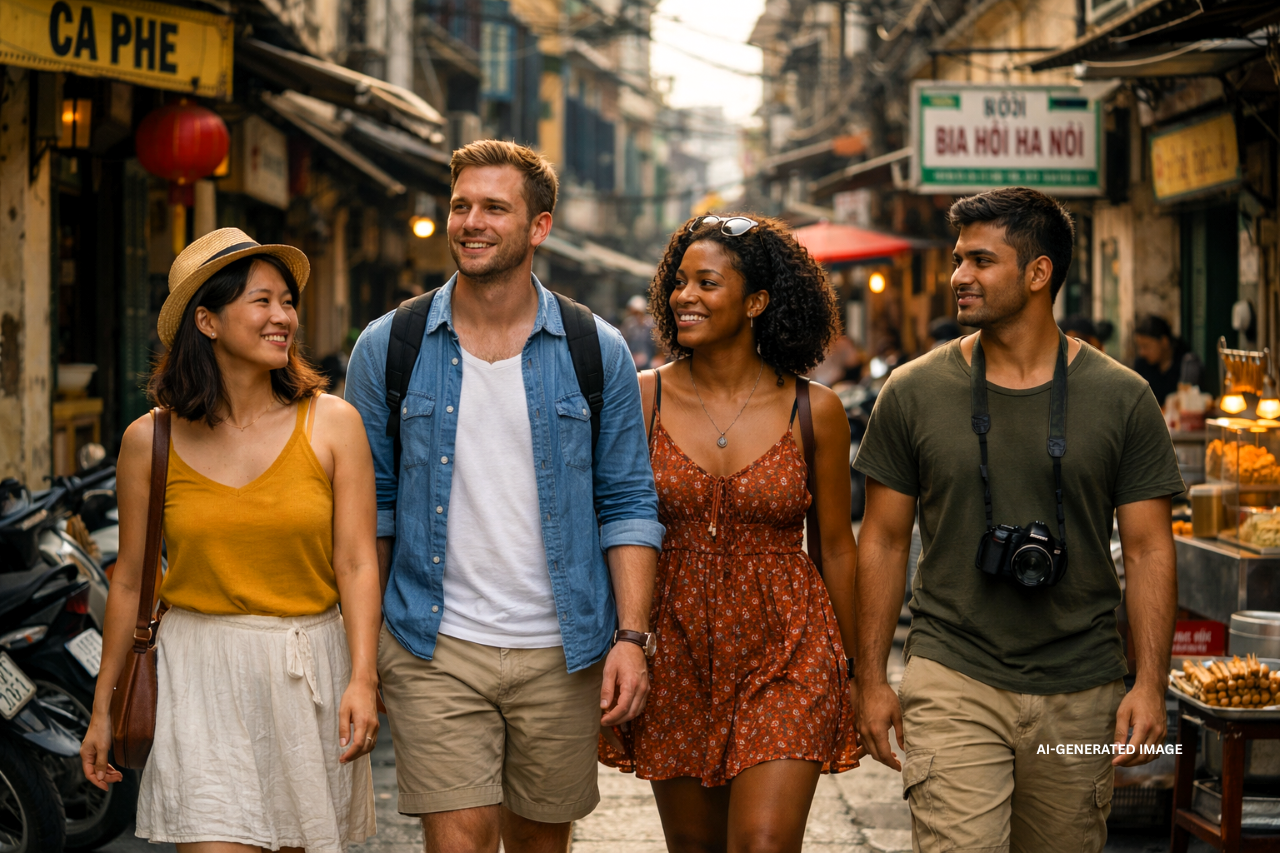
Walking through the Old Quarter allows visitors to experience Hanoi at street level—observing daily routines, listening to conversations, and sampling local food. It remains one of the most immersive things to do in Hanoi.
Hoan Kiem Lake and Ngoc Son Temple
Hoan Kiem Lake offers a peaceful escape from surrounding traffic. Early mornings are calm and reflective, while evenings bring a lively yet relaxed atmosphere. Locals gather here to exercise, socialize, and unwind.
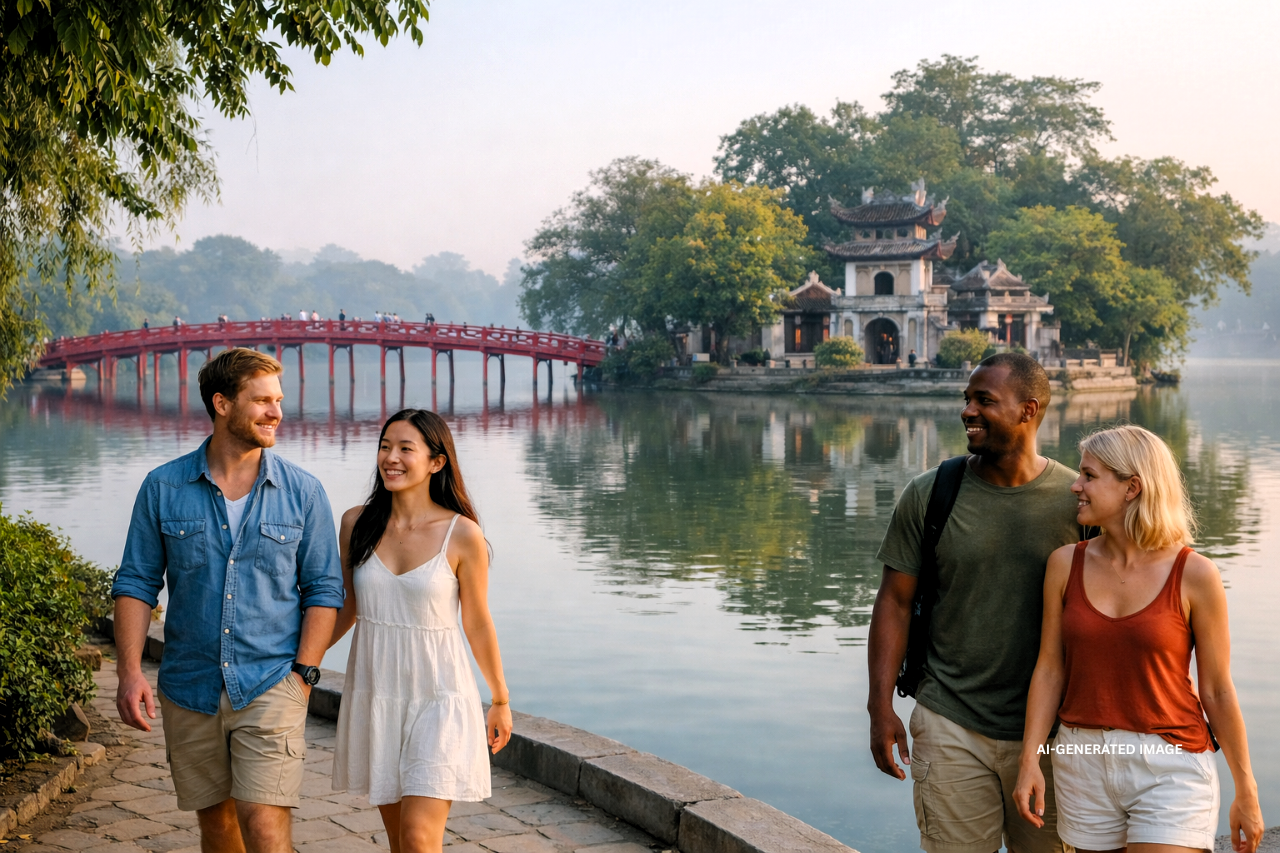
Ngoc Son Temple, located on a small island within the lake, adds cultural and spiritual significance. On weekends, nearby streets are closed to vehicles, transforming the area into a vibrant pedestrian zone.
Ho Chi Minh Mausoleum Complex
This complex is one of Hanoi’s most historically significant sites. It includes the mausoleum, museums, and preserved living spaces connected to Vietnam’s modern history. Visitors gain valuable insight into the country’s political journey and national identity.
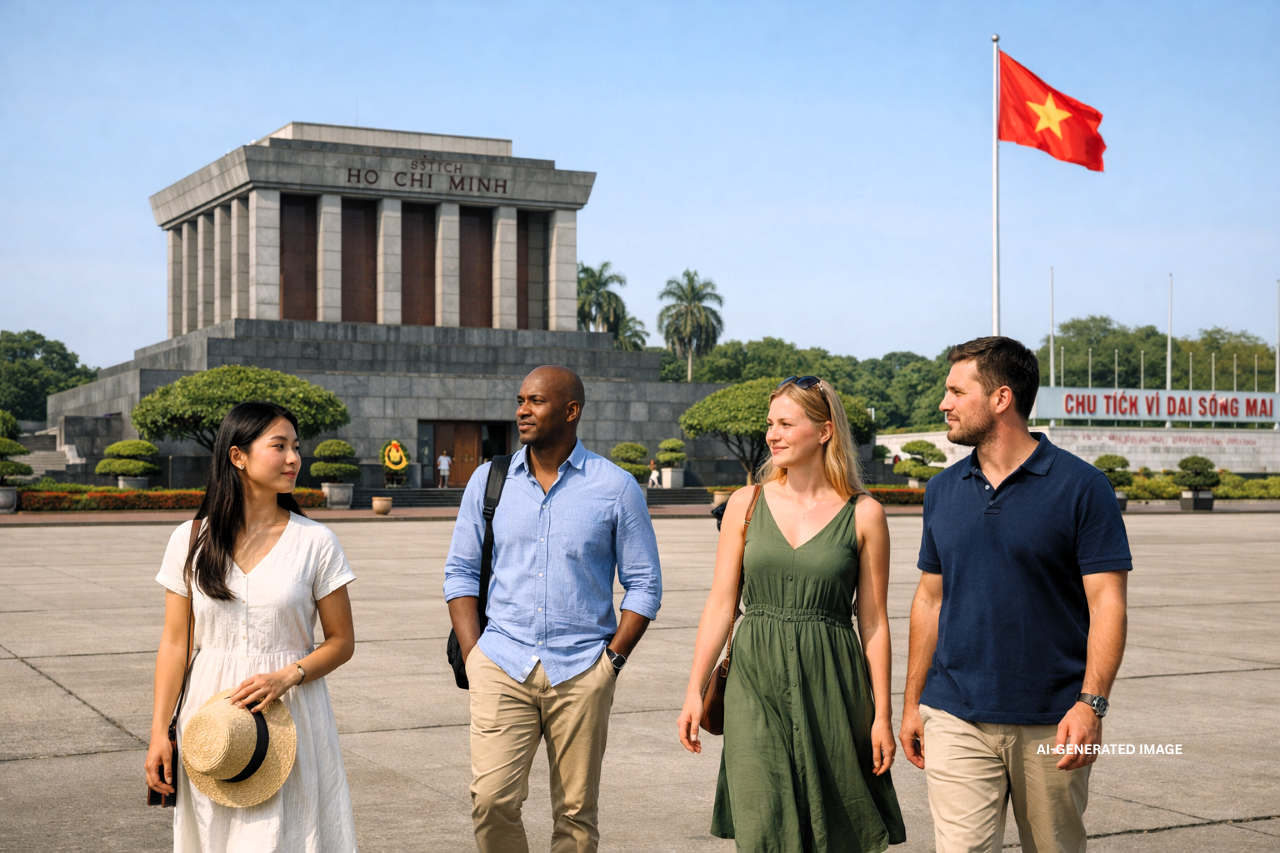
Strict dress codes and behavioral rules apply, but the experience is informative and meaningful for those interested in history.
Temple of Literature
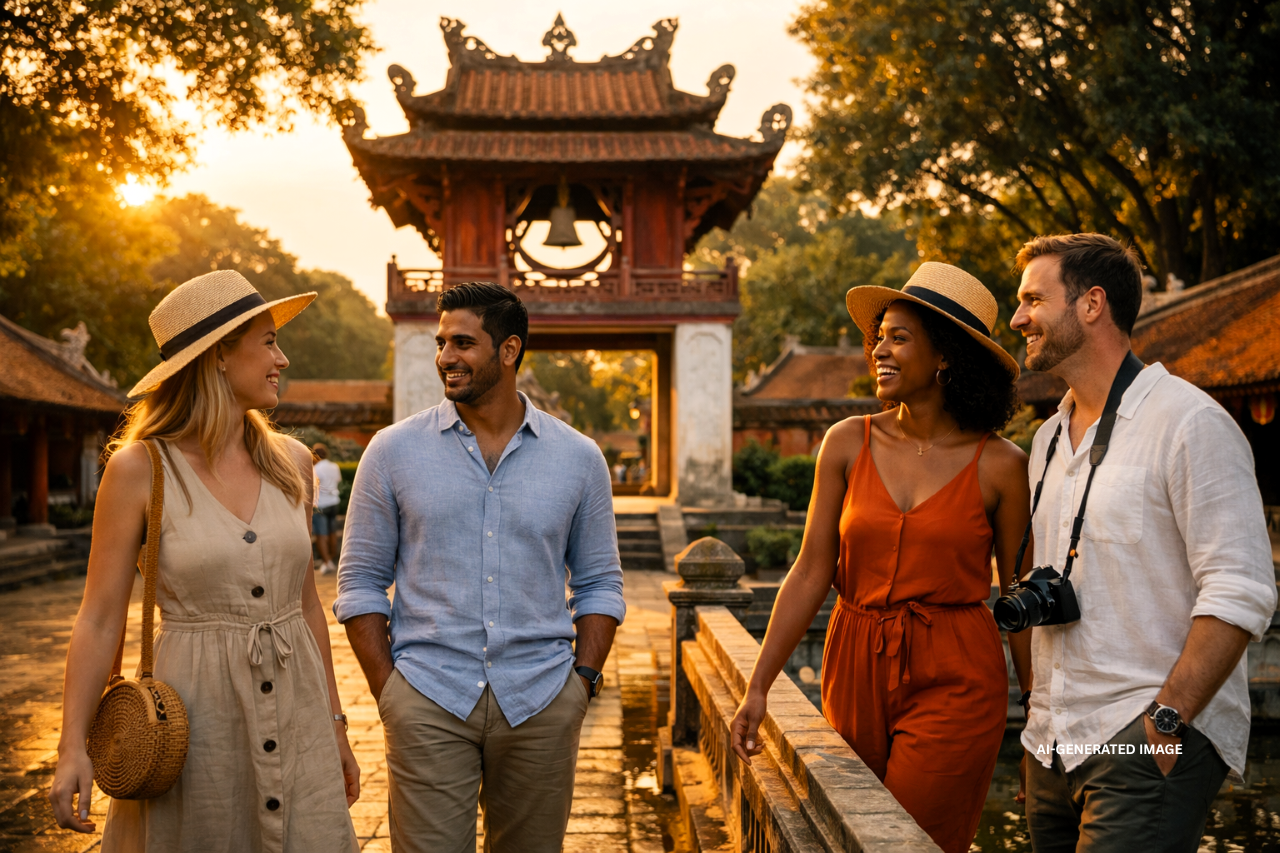
The Temple of Literature represents Vietnam’s respect for education and scholarship. Established as the country’s first national university, it honors Confucian values and academic achievement. Its peaceful courtyards, gardens, and stone steles provide a calm retreat within the busy city.
One Pillar Pagoda
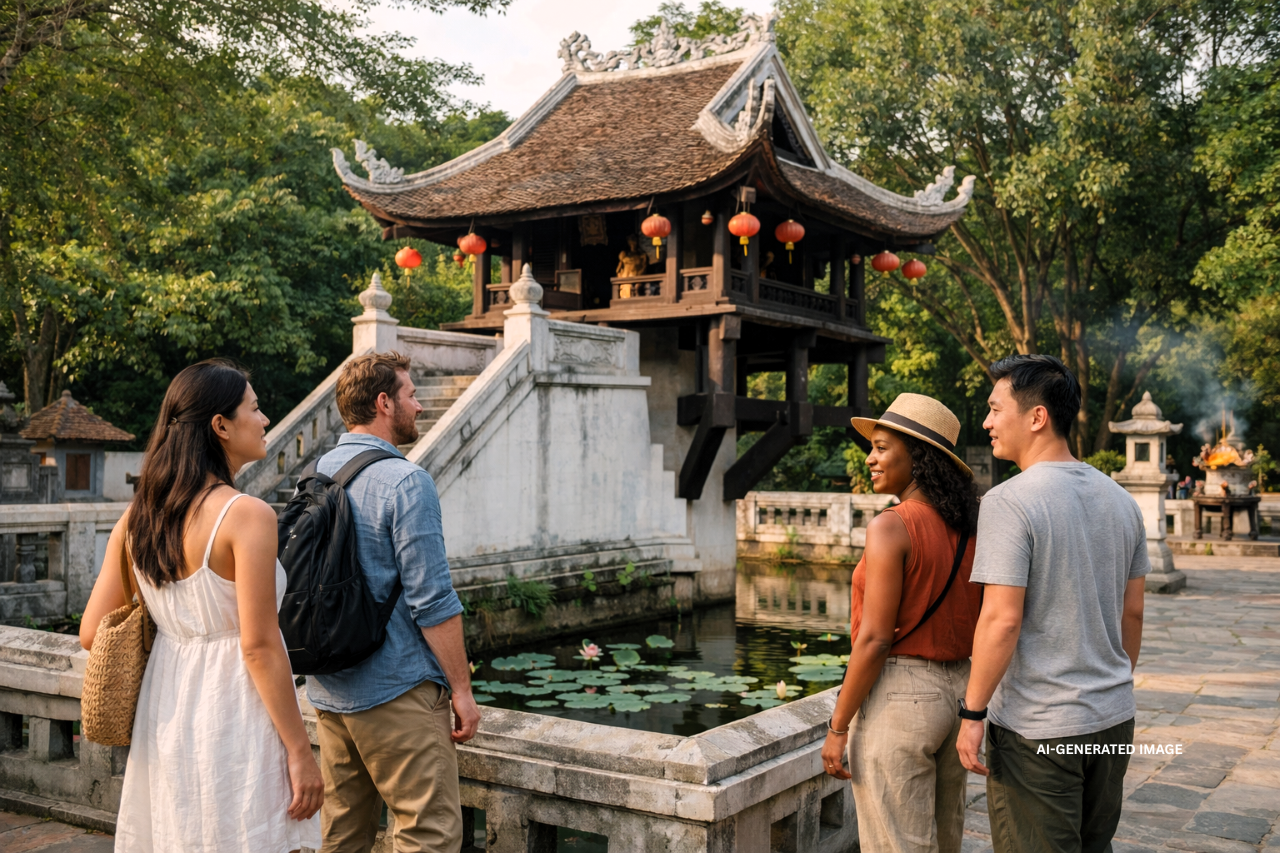
Despite its small size, the One Pillar Pagoda is one of Hanoi’s most recognizable landmarks. Its distinctive design and spiritual symbolism make it an important cultural site, often visited alongside nearby historical attractions.
Imperial Citadel of Thang Long
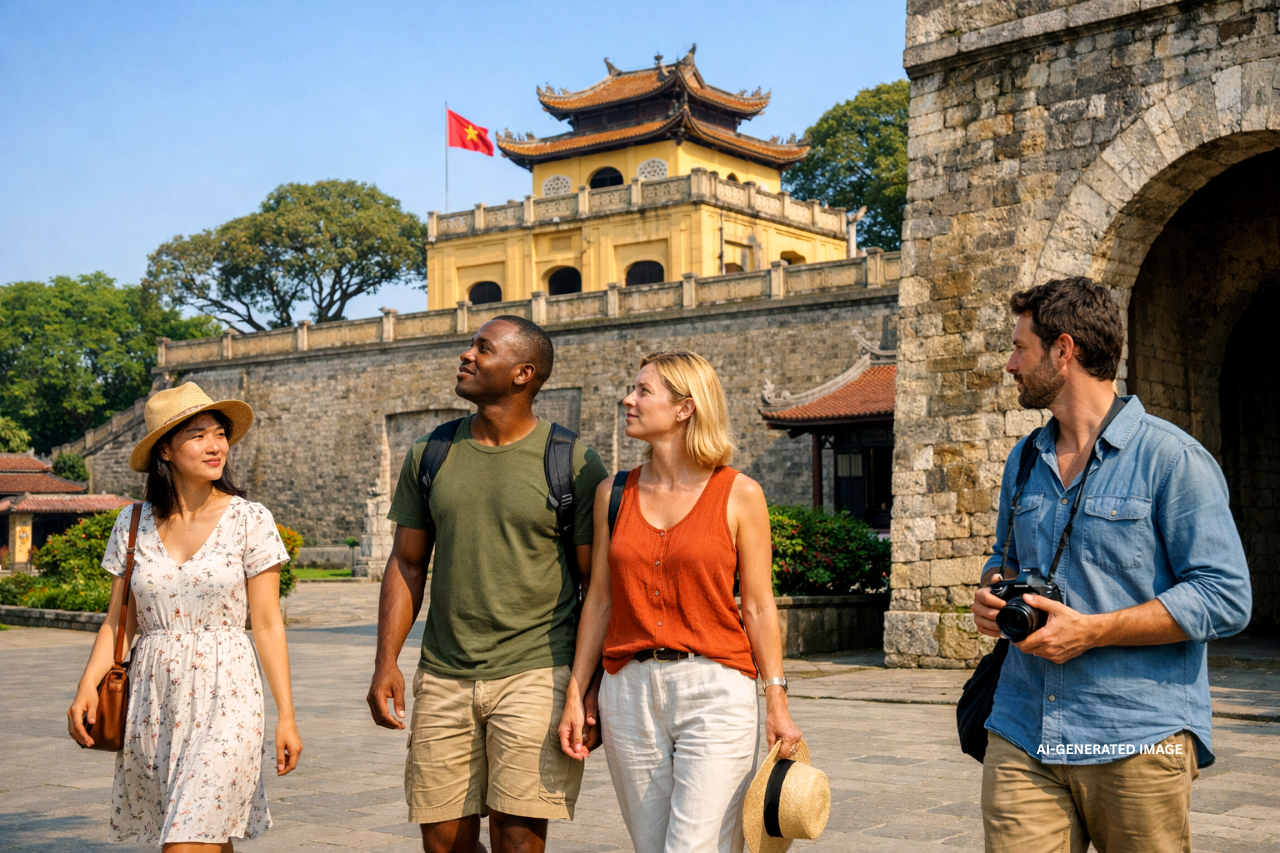
Designated as a UNESCO World Heritage Site, the Imperial Citadel of Thang Long reveals layers of Hanoi’s imperial past. Archaeological remains and preserved structures highlight the city’s role as a former royal capital and offer valuable historical context.
Hidden & Offbeat Things to Do in Hanoi
Beyond its well-known landmarks, Hanoi rewards travelers who explore a little deeper. Some of the city’s most memorable experiences are found in places that feel raw, local, and untouched by mass tourism. These offbeat activities offer a closer look at how Hanoi truly functions on a day-to-day level.
Train Street Hanoi
Train Street is one of the most unusual urban spaces in Southeast Asia. Homes, cafés, and small businesses line a narrow railway track where active trains still pass at scheduled times. When a train approaches, everyday life pauses briefly as residents move furniture aside, only to resume moments later as if nothing extraordinary has happened.
What makes Train Street special is not just the train itself, but the resilience and adaptability of the local community. Visitors must follow safety guidelines and respect local instructions at all times. When experienced responsibly, Train Street becomes one of the most fascinating and unforgettable things to do in Hanoi.
Long Bien Bridge
Long Bien Bridge stands as a powerful reminder of Hanoi’s past. Built during the French colonial era, this historic steel bridge stretches across the Red River and continues to serve pedestrians, cyclists, and motorbikes daily. Walking across it offers sweeping views of riverbanks, farmland, and everyday life unfolding below.
Unlike modern infrastructure, Long Bien Bridge feels intimate and human. Locals cross it as part of their daily routines, making it an excellent place to observe authentic Hanoi while enjoying one of the city’s most atmospheric viewpoints.
Local Markets and Neighborhood Walks
Exploring neighborhood markets and residential streets is one of the most rewarding ways to understand Hanoi beyond its tourist image. In these areas, markets operate with a natural rhythm—vendors greet familiar faces, food is prepared on the spot, and daily life unfolds without hurry.
Walking through local neighborhoods offers insight into traditional trades, family life, and culinary habits. These experiences often leave a stronger impression than major attractions and add genuine depth to the list of things to do in Hanoi.
Hanoi Street Food
Food is inseparable from Hanoi’s identity. Street food here is not a passing trend—it is a deeply ingrained way of life shaped by generations.
Why Hanoi Is a Street Food Capital
Hanoi’s street food culture thrives because it is affordable, efficient, and rooted in tradition. Dishes are prepared fresh, often in front of customers, and served quickly, reflecting the city’s practical yet social lifestyle.
Many stalls focus on perfecting just one dish, refining flavors over decades. Eating at these stalls allows travelers to connect directly with local culture, making street food one of the most essential things to do in Hanoi.
Must-Try Street Foods in Hanoi
Several iconic dishes define Hanoi’s culinary scene:
-
Pho: A light yet deeply flavorful noodle soup enjoyed throughout the day.
-
Bun Cha: Grilled pork served with noodles and herbs, offering a perfect balance of smoky, sweet, and savory flavors.
-
Banh Mi: A crisp baguette filled with meats, vegetables, and sauces, reflecting French and Vietnamese influence.
-
Egg Coffee: A Hanoi specialty with a rich, creamy texture that surprises first-time visitors.
Tasting these dishes is essential for anyone exploring Hanoi through its food culture.
Best Areas for Street Food in Hanoi
The Old Quarter remains the most concentrated area for street food, especially in the evening. Night markets add energy and variety, while quieter residential streets often offer the most traditional flavors.
Venturing beyond tourist-heavy streets frequently leads to better prices and more authentic meals.
Street Food Safety Tips for Visitors
To enjoy Hanoi’s street food with confidence:
-
Choose stalls popular with locals
-
Eat freshly cooked dishes
-
Be cautious with ice if unsure about water quality
-
Carry hand sanitizer
These simple precautions help ensure a safe and enjoyable food experience.
Cultural & Unique Experiences in Hanoi
Hanoi offers cultural activities that go beyond sightseeing, allowing visitors to engage with Vietnamese traditions in meaningful ways.
Water Puppet Theatre
Water puppetry is a traditional art form that originated in northern Vietnam’s rural communities. Wooden puppets glide across water while live musicians narrate stories through song and traditional instruments.
Performances are visually engaging and culturally rich, making them suitable for travelers of all ages and interests.
Hanoi’s Coffee Culture
Coffee culture in Hanoi is slow, social, and deeply embedded in daily life. Cafés range from tiny sidewalk setups to hidden rooftops overlooking the city. Egg coffee is the most famous specialty, but traditional black coffee with condensed milk remains equally popular.
Spending time in cafés allows visitors to relax, observe daily life, and enjoy Hanoi at an unhurried pace.
Cyclo Ride Through Historic Streets
A cyclo ride offers a gentle way to explore busy areas without navigating traffic. While not essential, it provides a unique perspective on Hanoi’s streets and architecture, particularly for first-time visitors.
Museums & Educational Attractions in Hanoi
Vietnam Museum of Ethnology
The Vietnam Museum of Ethnology provides insight into the country’s diverse ethnic communities. Exhibits include traditional homes, clothing, tools, and cultural artifacts that highlight rural life across Vietnam.
It is one of the most informative museums in Hanoi for culturally curious travelers.
Hoa Lo Prison Museum
Hoa Lo Prison Museum documents a complex chapter of Vietnam’s history. Exhibits focus on the colonial period and wartime experiences through preserved spaces, photographs, and written accounts.
Although emotionally heavy, the museum provides valuable historical context.
Vietnam Women’s Museum
The Vietnam Women’s Museum highlights the role of women in Vietnamese society, culture, and history. Exhibits explore family life, fashion, traditions, and wartime contributions, offering perspectives often overlooked in traditional museums.
Nightlife & Evening Activities in Hanoi
Walking Streets and Night Markets
On weekends, areas around Hoan Kiem Lake become pedestrian-only zones filled with street performers, vendors, and families. The atmosphere is lively yet relaxed, making it ideal for evening walks.
Rooftop Bars and Scenic Cafés
Hanoi’s rooftop bars and cafés offer panoramic views of the city, particularly around West Lake and the Old Quarter. These venues provide a calmer way to enjoy Hanoi after dark.
Live Music and Local Entertainment
From jazz clubs to acoustic cafés, Hanoi’s live music scene continues to grow. Attending a performance adds depth and cultural richness to the evening experience.
Shopping & Souvenirs in Hanoi
What to Buy in Hanoi
Popular souvenirs include:
-
Silk scarves and garments
-
Lacquerware and ceramics
-
Locally grown coffee and tea
-
Handmade crafts and jewelry
Best Shopping Areas
The Old Quarter and traditional markets offer authentic shopping experiences, while modern malls cater to international brands and preferences.
Bargaining Etiquette
Bargaining is common in local markets. Friendly negotiation is expected, but politeness and respect are essential for a positive experience.
Hanoi Day Trips: Best Places to Visit Nearby
One of the greatest advantages of staying in Hanoi is its proximity to some of northern Vietnam’s most scenic and culturally significant destinations. These nearby locations can be explored as day trips, allowing travelers to experience natural beauty, spiritual heritage, and rural life without changing accommodation. Including at least one day trip adds depth and variety to any Hanoi itinerary.
Ha Long Bay Day Trip from Hanoi
Ha Long Bay is one of Vietnam’s most iconic natural attractions and a top choice for travelers based in Hanoi. Famous for its towering limestone karsts rising from calm emerald waters, the bay offers a striking contrast to the city’s busy streets.
Most day trips from Hanoi include a comfortable transfer, a scenic cruise through the bay, and activities such as cave exploration or kayaking. While overnight cruises allow more time on the water, a well-organized day trip still provides a memorable experience. For many visitors, Ha Long Bay becomes a highlight of their journey through northern Vietnam.
Ninh Binh: Tam Coc and Trang An
Ninh Binh is often referred to as “Ha Long Bay on land” due to its dramatic limestone formations, winding rivers, and lush rice fields. A typical day trip from Hanoi focuses on Tam Coc or Trang An, where visitors enjoy peaceful boat rides through caves and scenic valleys.
In addition to boating, Ninh Binh offers ancient temples, countryside cycling routes, and panoramic viewpoints. Its slower pace and natural beauty make it ideal for travelers seeking a quiet escape from the city. This destination is particularly popular with photographers and nature enthusiasts.
Perfume Pagoda
The Perfume Pagoda is a spiritual complex set among limestone mountains southwest of Hanoi. Reaching the site involves a scenic boat journey followed by a short hike, making the journey itself an important part of the experience.
The pagoda attracts pilgrims throughout the year, especially during festival season. For visitors, it provides valuable insight into Vietnamese religious traditions while offering a chance to experience peaceful rural landscapes far removed from urban life.
Bat Trang Ceramic Village
Bat Trang is a traditional pottery village located along the Red River, just a short drive from Hanoi. For centuries, local artisans have crafted ceramics using techniques passed down through generations.
Visitors can explore workshops, try their hand at pottery-making, and browse markets filled with handmade products. This day trip is particularly appealing to travelers interested in craftsmanship, culture, and meaningful souvenirs.
Hanoi Itinerary
Creating a flexible itinerary helps travelers experience the best things to do in Hanoi without feeling rushed. The city can be explored at different speeds depending on the length of your stay.
1-Day Hanoi Itinerary
A one-day visit is suitable for travelers with limited time:
-
Morning walk around Hoan Kiem Lake
-
Explore the Old Quarter on foot
-
Lunch featuring local street food
-
Visit the Temple of Literature
-
Evening at a night market or street food area
This itinerary highlights Hanoi’s essential experiences.
2-Day Hanoi Itinerary
A two-day stay allows for a more relaxed pace:
-
Day 1: Old Quarter exploration, Hoan Kiem Lake, and a water puppet show
-
Day 2: Ho Chi Minh Mausoleum area, museums, and café hopping
This plan balances history, culture, and local lifestyle.
3-Day Hanoi Itinerary
Three days is ideal for first-time visitors:
-
Day 1: Major landmarks and historical sites
-
Day 2: Street food, markets, and cultural experiences
-
Day 3: Day trip to Ninh Binh or Bat Trang
This itinerary combines urban exploration with nearby excursions.
5-Day Hanoi Itinerary (Including Day Trips)
For travelers who prefer depth over speed:
-
Days 1–2: Hanoi attractions, food experiences, and neighborhoods
-
Day 3: Ha Long Bay day trip
-
Day 4: Ninh Binh or the Perfume Pagoda
-
Day 5: Shopping, cafés, photography, and relaxed exploration
This schedule offers a comprehensive and well-rounded experience.
Where to Stay in Hanoi
Choosing the right area to stay can significantly shape your travel experience.
Best Areas to Stay
-
Old Quarter: Ideal for first-time visitors, nightlife, and street food
-
Hoan Kiem District: Central location near major attractions
-
West Lake: A quieter area with upscale hotels and scenic views
Each neighborhood caters to different travel styles and preferences.
Budget, Mid-Range, and Luxury Accommodation
Hanoi offers excellent value across all accommodation categories:
-
Budget travelers will find clean, comfortable hostels and guesthouses
-
Mid-range hotels provide strong comfort and convenient locations
-
Luxury hotels offer high-end service at competitive prices
This variety makes Hanoi accessible to travelers with different budgets.
Getting Around Hanoi
Transportation in Hanoi may seem overwhelming at first, but it becomes manageable with a little preparation.
Walking and Cyclos
Walking is the best way to explore compact areas such as the Old Quarter. Cyclos provide a slower, more relaxed option for sightseeing, especially for first-time visitors.
Ride-Hailing Apps, Taxis, and Buses
Ride-hailing services are affordable and widely used in Hanoi. Taxis are convenient, but travelers should use reputable companies. Public buses are economical, though they may be challenging for short stays.
Airport Transfers
Noi Bai International Airport is connected to the city by taxis, shuttle buses, and private transfers. Travel time varies depending on traffic, but is generally reasonable.
Essential Travel Tips for Hanoi
Local Etiquette and Customs
Respectful behavior, modest dress at religious sites, and polite communication are appreciated. Simple gestures of courtesy are warmly received.
Money, SIM Cards, and Internet Access
Cash is widely used, especially in markets and small eateries. SIM cards are inexpensive and easy to purchase, offering reliable internet access throughout the city.
Safety Tips for Travelers
Hanoi is generally safe, including for solo travelers. Basic precautions such as watching traffic, safeguarding valuables, and staying alert are sufficient.
Photography and Instagram Spots in Hanoi
Hanoi offers countless opportunities for photography:
-
Hoan Kiem Lake at sunrise
-
Old Quarter street scenes
-
Long Bien Bridge
-
Rooftop cafés overlooking the city
Early mornings and patience often result in the best shots.
Sustainable and Responsible Tourism in Hanoi
Responsible travel helps preserve Hanoi’s cultural and environmental heritage. Supporting local businesses, reducing plastic waste, and respecting traditions contribute positively to the community.
Conclusion
Hanoi is a city that reveals its character gradually. Its charm lies not only in landmarks, but also in everyday moments—shared meals, quiet lakes, and conversations over coffee. The wide range of things to do in Hanoi ensures that every traveler finds something meaningful.
For those seeking culture, history, cuisine, and authenticity, Hanoi is unquestionably worth visiting.
FAQs
How many days should you spend in Hanoi?
Three to five days provide enough time to explore major attractions and enjoy nearby day trips.
Is Hanoi suitable for first-time travelers?
Yes, Hanoi is welcoming, affordable, and relatively easy to navigate with basic planning.
What is Hanoi best known for?
Hanoi is known for its Old Quarter, vibrant street food scene, lakes, and deep cultural heritage.
Is Hanoi expensive to visit?
Hanoi offers excellent value and is budget-friendly compared to many global cities.
Can you explore Hanoi without guided tours?
Yes, Hanoi is easy to explore independently, though guided tours can add historical and cultural context.
What should not be missed in Hanoi?
The Old Quarter, street food experiences, Hoan Kiem Lake, and at least one nearby day trip.