
Introduction
Nestled in the Himalayan foothills and blessed by the sacred River Ganges, Rishikesh has rightfully earned the title of “Yoga Capital of the World.” For centuries, this spiritual town has attracted seekers, yogis, and adventurers from around the globe.
A Rishikesh yoga retreat is much more than practicing asanas. It’s about embracing a lifestyle rooted in meditation, pranayama, and holistic wellness, while surrounded by mountains, rivers, and ancient wisdom. Visitors discover the perfect atmosphere for inner peace, healing, and renewal.
This guide will take you through the history, cultural significance, retreat experiences, teacher training programs, and must-do activities that make Rishikesh a truly transformative destination. From sacred rituals to thrilling adventures, the town offers a rare balance of tranquility and excitement.
History and Spiritual Significance of Rishikesh
Rishikesh’s spiritual aura has been preserved for thousands of years. Hindu scriptures describe it as a land where sages meditated to achieve higher states of consciousness. According to mythology, Lord Rama performed penance here after defeating Ravana.
In modern times, Rishikesh gained global fame in 1968 when The Beatles visited to learn Transcendental Meditation from Maharishi Mahesh Yogi. This event put Rishikesh on the world map as a hub for yoga and spirituality.
Even today, evenings at Triveni Ghat are enchanting. The Ganga Aarti, with its devotional chants, fire lamps, and floating diyas, draws both locals and visitors. This blend of tradition, devotion, and energy creates the perfect setting for a yoga retreat.
Rishikesh Yoga Retreats
What is a Yoga Retreat?
A yoga retreat is a structured program designed to help participants step away from daily stress and immerse themselves in yogic practices. A Rishikesh yoga retreat typically includes yoga sessions, meditation, pranayama (breathing techniques), philosophy classes, and nourishing vegetarian meals. It aims to rejuvenate the body, mind, and spirit.
Types of Retreats
-
Short retreats (3–7 days):
-
Perfect for beginners or travelers with limited time.
-
Extended retreats (2–4 weeks):
-
Provide a deeper immersion into yoga and mindful living.
-
Detox and wellness retreats:
-
Combine yoga with Ayurveda, cleansing diets, and healing therapies.
-
Silent meditation retreats:
-
Focus on mindfulness and self-awareness.
Popular Retreat Centers in Rishikesh
-
Parmarth Niketan Ashram:
-
Known for its serene environment and evening Ganga Aarti.
-
Sivananda Ashram:
-
A pioneer in spreading traditional yoga worldwide.
-
Phool Chatti Ashram:
-
Offers a balance of yoga practice and cultural immersion.
-
Anand Prakash Yoga Ashram:
-
Popular among international visitors for multi-style yoga.
Why Choose a Rishikesh Yoga Retreat?
-
Physical benefits:
-
Better flexibility, improved posture, and renewed energy.
-
Mental clarity:
-
Reduced stress and sharper focus.
-
Spiritual growth:
-
An opportunity to connect with your higher self.
-
Community:
-
Meet and share experiences with like-minded seekers from across the world.
A Typical Daily Routine
Most retreats in Rishikesh follow a disciplined schedule:
-
Morning:
-
Sunrise yoga and pranayama by the river.
-
Midday:
-
Philosophy classes and guided meditation.
-
Afternoon:
-
Wholesome vegetarian meals and rest.
-
Evening:
-
Satsangs (spiritual gatherings) or the Ganga Aarti at Triveni Ghat.
A yoga retreat here is not just about learning yoga—it’s about living yoga, in an environment that encourages mindfulness and simplicity.
Yoga Teacher Training in Rishikesh
Rishikesh is widely regarded as the world’s premier destination for yoga teacher training (YTT). With its Himalayan backdrop, the sacred Ganges, and centuries of yogic tradition, the town attracts aspiring teachers and serious practitioners from all over the world.
What is Yoga Teacher Training (YTT)?
Yoga Teacher Training is a structured program designed to provide students with comprehensive knowledge of yoga. It covers philosophy, anatomy, teaching methodology, and personal practice. The most common programs are:
-
200-hour YTT:
-
Beginner-level certification.
-
300-hour YTT:
-
Advanced training for those who have completed 200 hours.
-
500-hour YTT:
-
A combined program offering mastery in yoga teaching.
Why Choose Rishikesh for YTT?
-
Authentic learning:
-
Yoga here is taught in its purest, traditional form.
-
Spiritual atmosphere:
-
The Himalayan energy and the Ganges create an ideal setting for study.
-
Global recognition:
-
Most schools are certified by Yoga Alliance, ensuring worldwide credibility.
-
Cultural diversity:
-
Students from across the globe enrich the learning experience.
Leading Yoga Schools in Rishikesh
-
Rishikul Yogshala:
-
Known for multi-style yoga training.
-
Himalayan Yoga Ashram:
-
Focuses on philosophy, meditation, and advanced practices.
-
Omkarananda Ganga Sadan:
-
Specializes in Iyengar yoga.
-
Vinyasa Yoga Ashram:
-
Popular among young travelers for dynamic classes.
What You’ll Learn During YTT
A Rishikesh yoga retreat that offers teacher training typically includes:
-
Daily asana (posture) practice.
-
Breathing exercises (pranayama).
-
Guided meditation sessions.
-
Yoga philosophy and ethics.
-
Anatomy and physiology of yoga.
-
Teaching methodology and sequencing.
Duration and Fees
-
200-hour YTT:
-
3–4 weeks, approximately $1200–$1800.
-
300-hour YTT:
-
5–6 weeks, higher fees depending on the school.
-
500-hour YTT:
-
2–3 months, often around $2500–$3000.
Certification
Most schools provide Yoga Alliance certification, which allows graduates to teach yoga internationally.
Things to Do in Rishikesh
While a Rishikesh yoga retreat offers a complete spiritual experience, the town also provides a variety of activities for relaxation, adventure, and cultural exploration.
Adventure Activities
-
White Water Rafting:
-
Exciting rides on the Ganges.
-
Bungee Jumping:
-
India’s highest jump at Mohan Chatti (83 meters).
-
Camping by the River:
-
Sleep under the stars with bonfires.
-
Ziplining:
-
Soar across the Ganges for an unforgettable view.
Spiritual Experiences
-
Ganga Aarti at Triveni Ghat:
-
A mesmerizing ritual of chants and fire lamps.
-
Meditation at Vashishta Cave:
-
A serene spot linked to the sage Vashishta.
-
Satsangs and Kirtans:
-
Spiritual discourses and devotional singing.
Wellness Activities
-
Ayurvedic Therapies:
-
Healing massages and detox treatments.
-
Sound Healing:
-
Relaxation with Tibetan bowls and gongs.
-
Organic Cafés:
-
Healthy meals at popular spots like Ayurpak and Shambhala Café.
Local Experiences
-
Shopping in markets:
-
Handmade jewelry, yoga mats, and spiritual books.
-
Crafts and Souvenirs:
-
Traditional artwork, wooden idols, and natural products.
-
Café Culture:
-
Riverside cafés with peaceful settings for travelers to meet.
Photography and Relaxation
-
Snap photos of the Lakshman Jhula and Ram Jhula.
-
Watch sunrise or sunset along the riverbanks.
-
Spend quiet hours reading or journaling by the ghats.
Rishikesh Rafting
If yoga and meditation calm the mind, rafting in Rishikesh excites the soul. This adventure activity has become one of the biggest attractions for visitors to the region.
Why Rafting in Rishikesh is Famous
The Ganges flows with clear, powerful waters in Rishikesh, offering rapids that range from gentle to challenging. Surrounded by forests and mountains, it is one of India’s best rafting locations.
Popular Rafting Routes
-
Brahmpuri to Rishikesh (9 km):
-
Gentle rapids, suitable for beginners and families.
-
Shivpuri to Rishikesh (16 km):
-
Moderate difficulty, ideal for first-timers.
-
Marine Drive to Rishikesh (24 km):
-
Longer route with a mix of rapids.
-
Kaudiyala to Rishikesh (36 km):
-
Advanced stretch with Grade IV rapids.
Difficulty Levels
-
Grade I:
-
Easy, for beginners.
-
Grade II & III:
-
Medium difficulty, offering excitement with safety.
-
Grade IV:
-
Challenging, suitable only for experienced rafters.
Safety Guidelines
-
Wear life jackets and helmets at all times.
-
Follow the instructions of professional guides.
-
Avoid rafting during the monsoon season.
-
Dress in quick-dry clothing and leave valuables behind.
Best Season for Rafting
The rafting season runs from late September to early June. During the monsoon (July–August), the river becomes too dangerous for safe rafting.
Costs and Packages
-
Short routes (9–16 km):
-
₹600–₹1200 per person.
-
Longer routes (24–36 km):
-
₹1800–₹2500 per person.
-
Many packages include camping and meals, creating a complete adventure experience.
Rafting in Rishikesh perfectly complements a yoga retreat—offering both inner stillness and adrenaline-filled excitement in one trip.
Rishikesh Tourist Places
Rishikesh is not only famous for yoga and spirituality but also for its many cultural and natural attractions. Anyone attending a Rishikesh yoga retreat should take time to explore the city’s historic landmarks, temples, and ashrams.
Lakshman Jhula & Ram Jhula
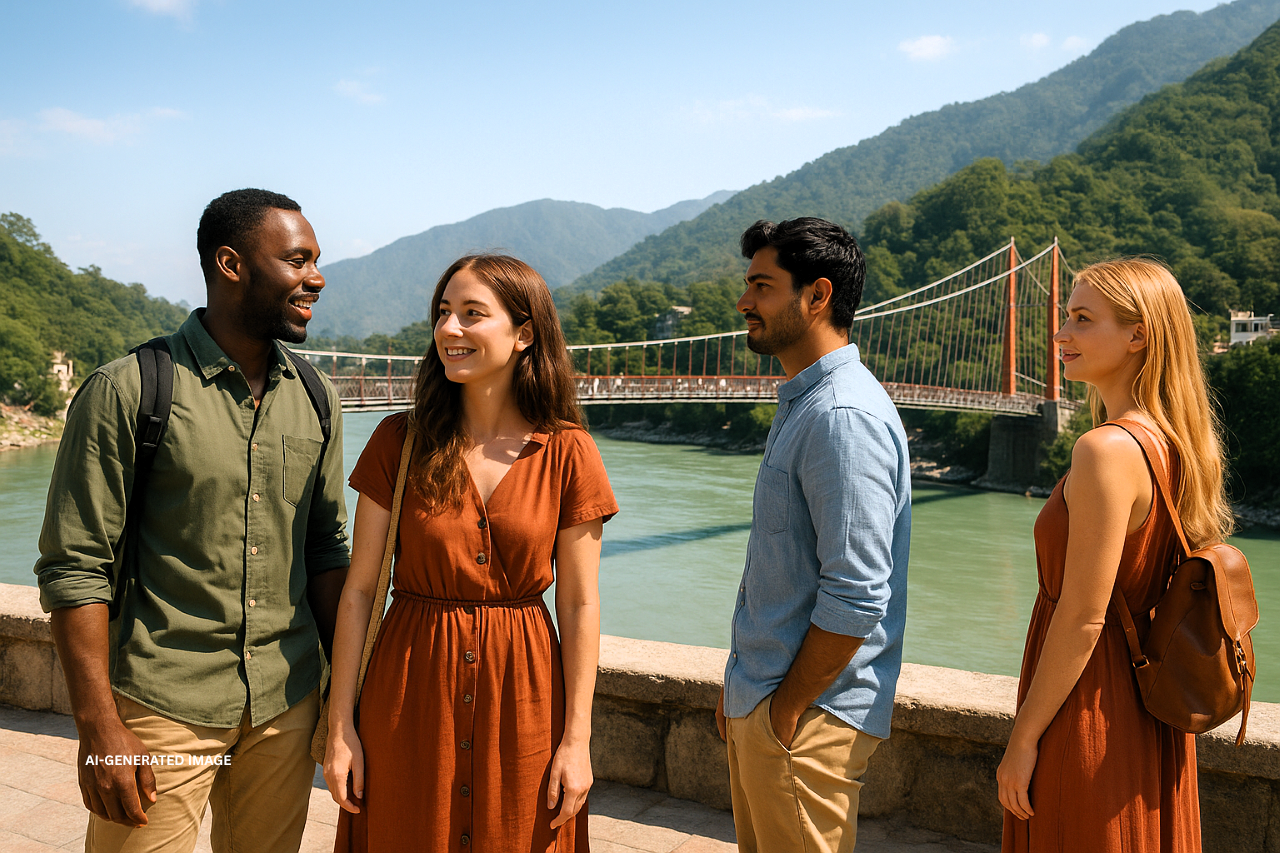
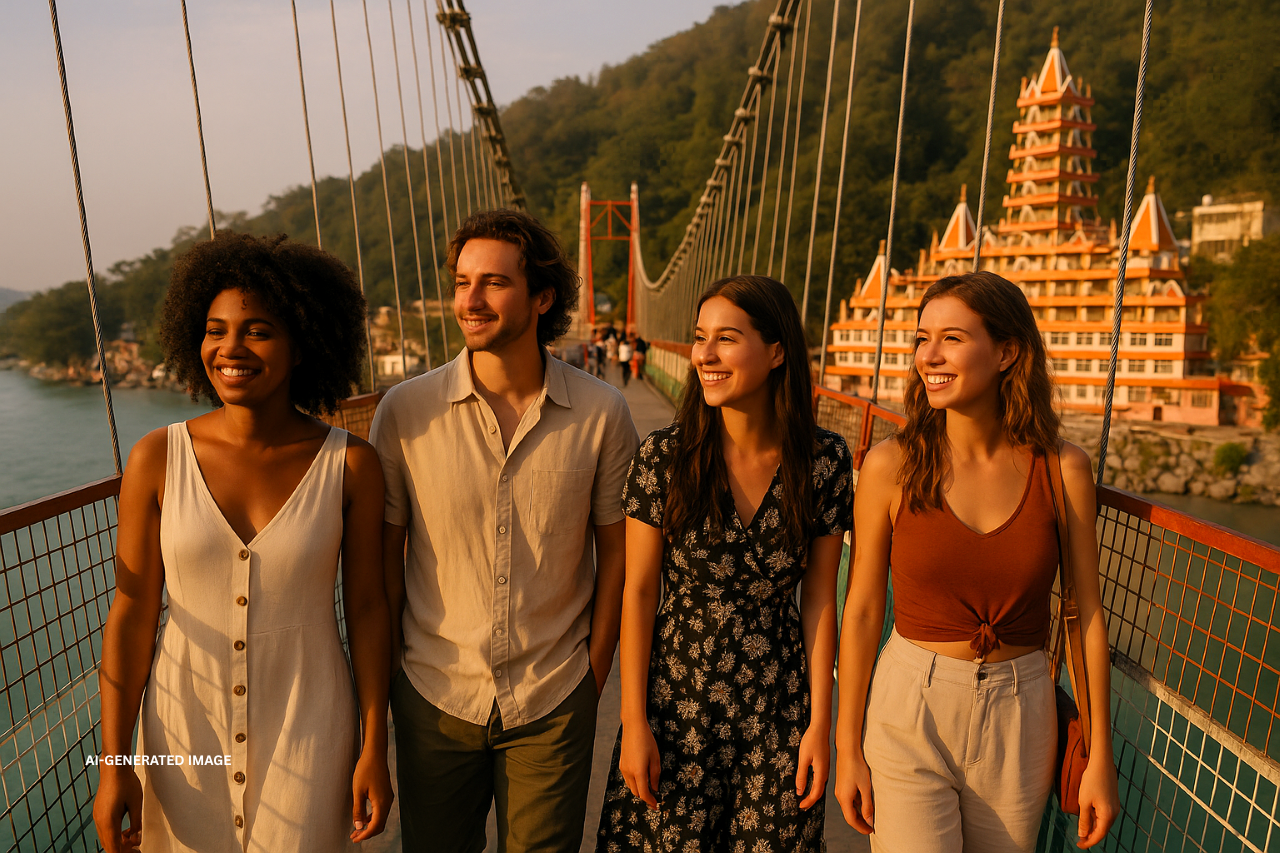
These two suspension bridges are among the most iconic sights of Rishikesh. According to legend, Lord Lakshman crossed the river here on a rope, which inspired the construction of Lakshman Jhula. Ram Jhula, built later, connects bustling areas filled with temples, shops, and ashrams. Walking across these bridges provides panoramic views of the Ganges and the Himalayas.
Lakshman Jhula
Ram Jhula
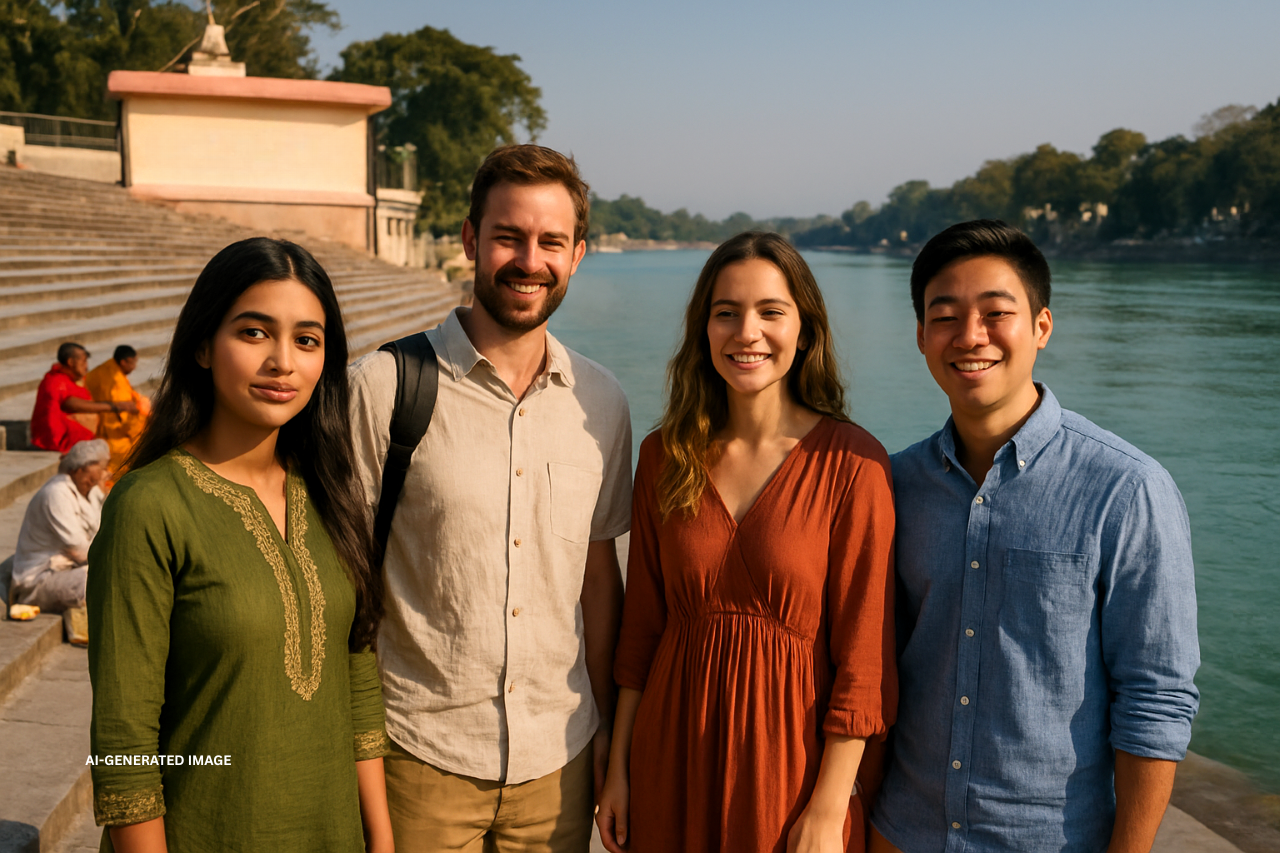
Triveni Ghat
This sacred bathing ghat is believed to be the confluence of three rivers—Ganga, Yamuna, and Saraswati. Every evening, the Ganga Aarti at Triveni Ghat draws locals and travelers alike. The sight of floating diyas, chants, and music creates a deeply spiritual atmosphere.
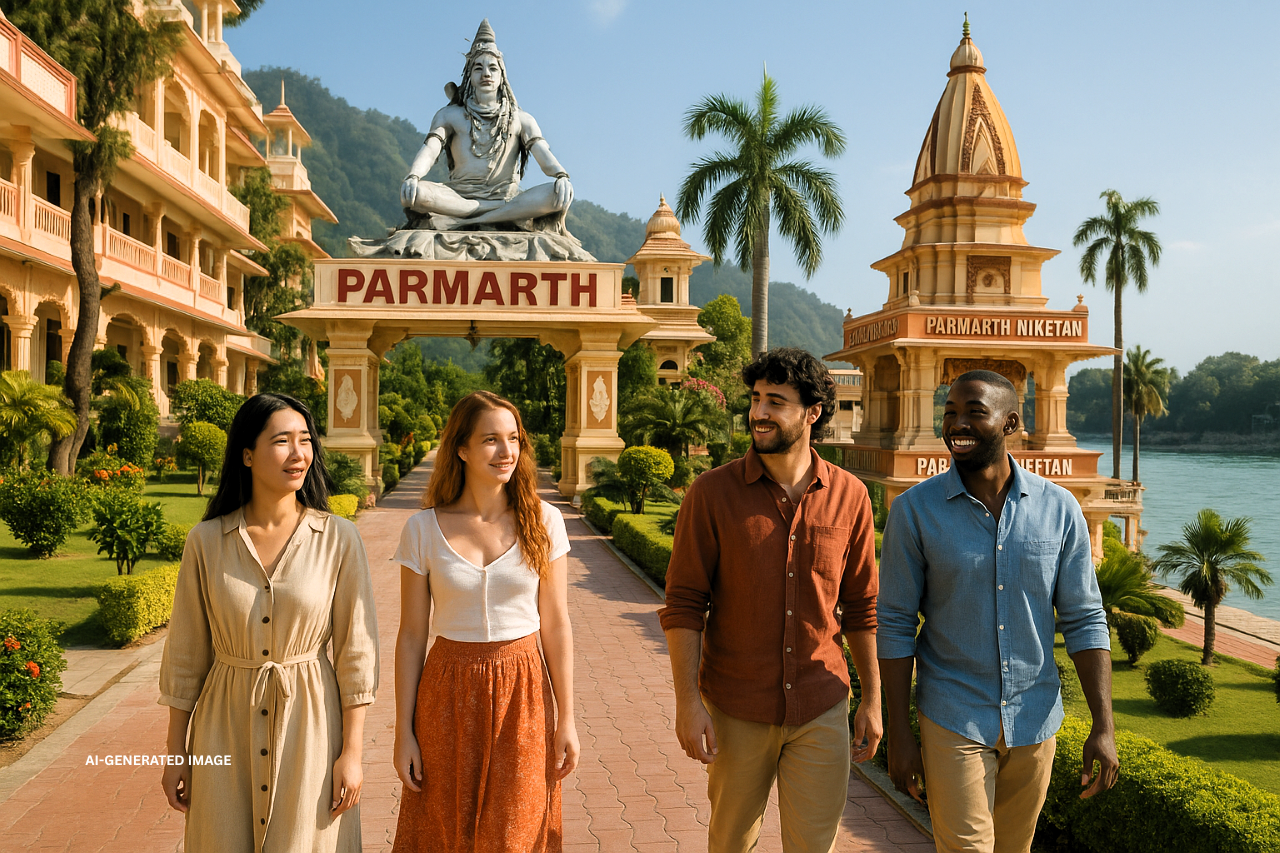
Parmarth Niketan Ashram
One of the largest ashrams in Rishikesh, Parmarth Niketan offers yoga classes, wellness programs, and satsangs. It is also the host of the International Yoga Festival, attracting teachers and students from across the globe.
The Beatles Ashram (Chaurasi Kutia)
This once-abandoned ashram became famous after The Beatles visited in 1968 to learn Transcendental Meditation. Today, it is a colorful site filled with graffiti, meditation huts, and nature trails, making it a popular attraction for both history enthusiasts and artists.
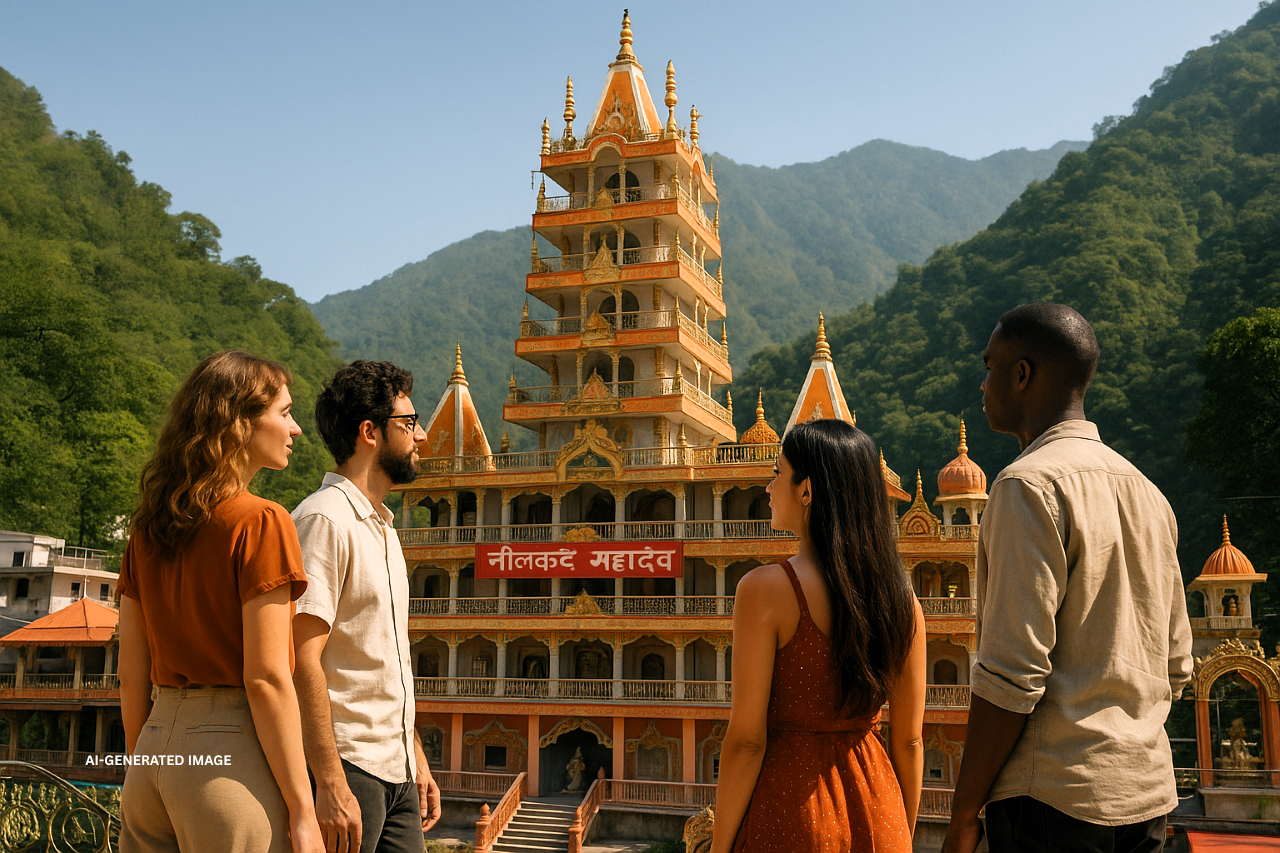
Neelkanth Mahadev Temple
Situated around 32 km from Rishikesh, this temple is dedicated to Lord Shiva. According to mythology, it is the site where Shiva consumed poison during the churning of the ocean. Surrounded by forests, it is a peaceful pilgrimage spot.
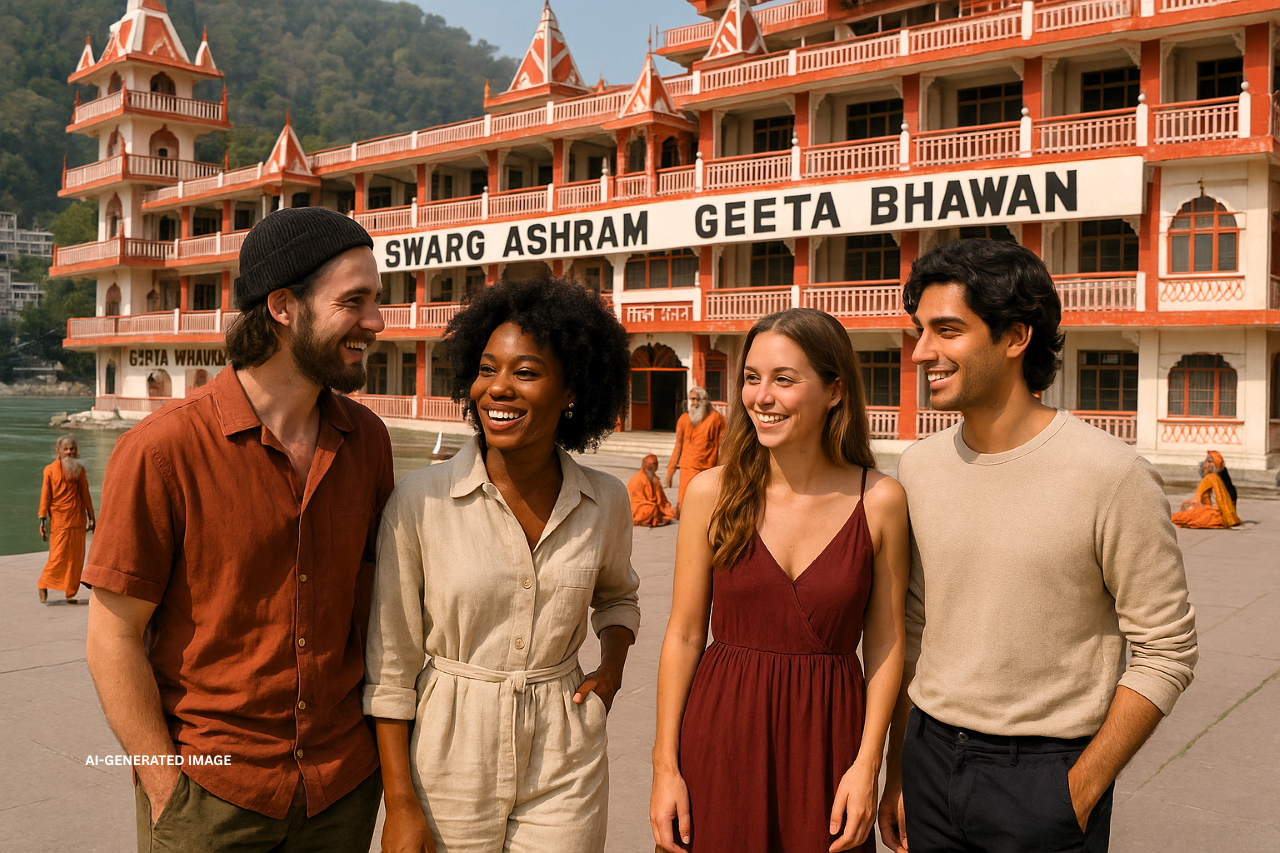
Swarg Ashram & Geeta Bhawan
These ashrams, located along the river, are ideal for meditation, spiritual learning, and peaceful walks. They are perfect for retreat participants who wish to deepen their practice in quiet surroundings.
Places to Visit in Rishikesh (Beyond Main Tourist Spots)
In addition to the popular landmarks, Rishikesh has several hidden gems that reveal its natural beauty and local culture.
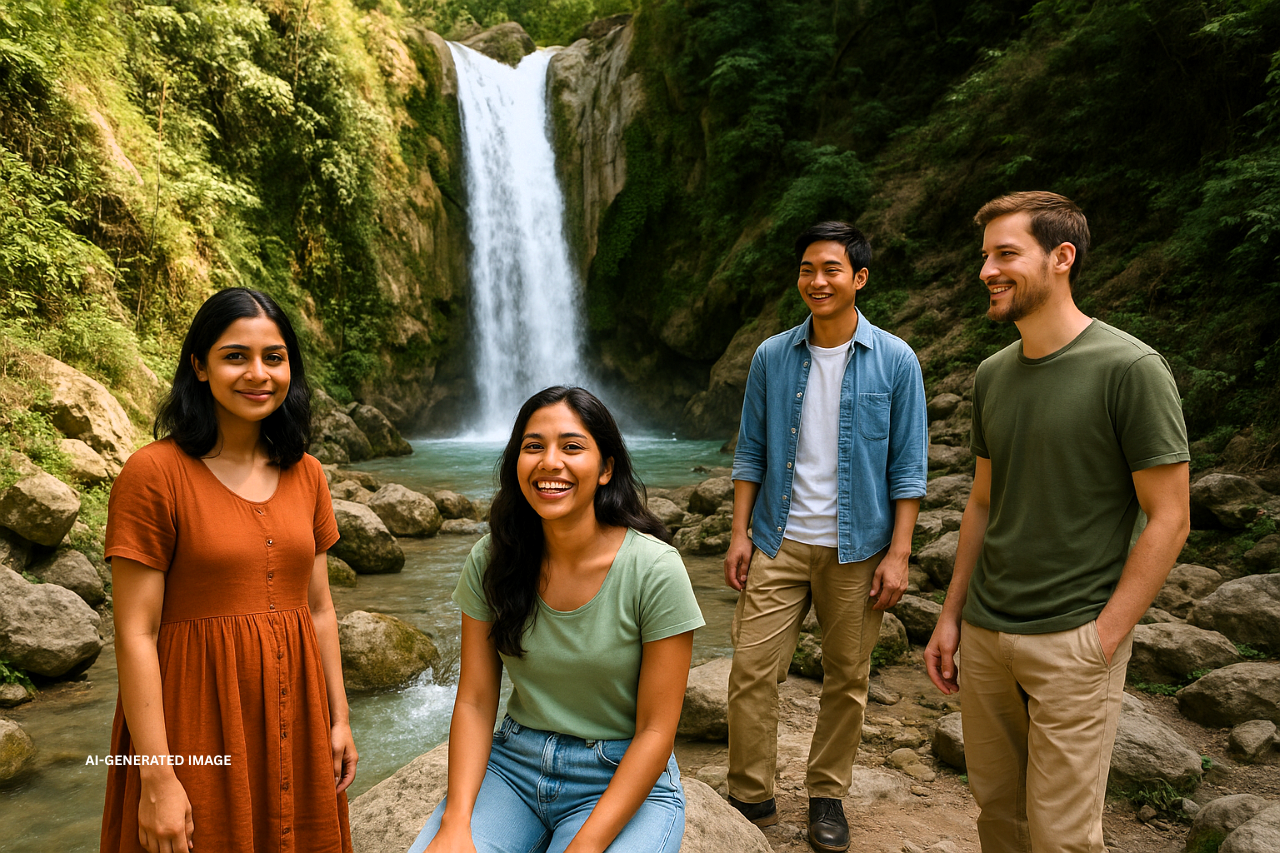
Neer Garh Waterfall
A short trek takes you to this cascading waterfall that flows into natural pools. It’s a refreshing escape for those who love nature and photography.
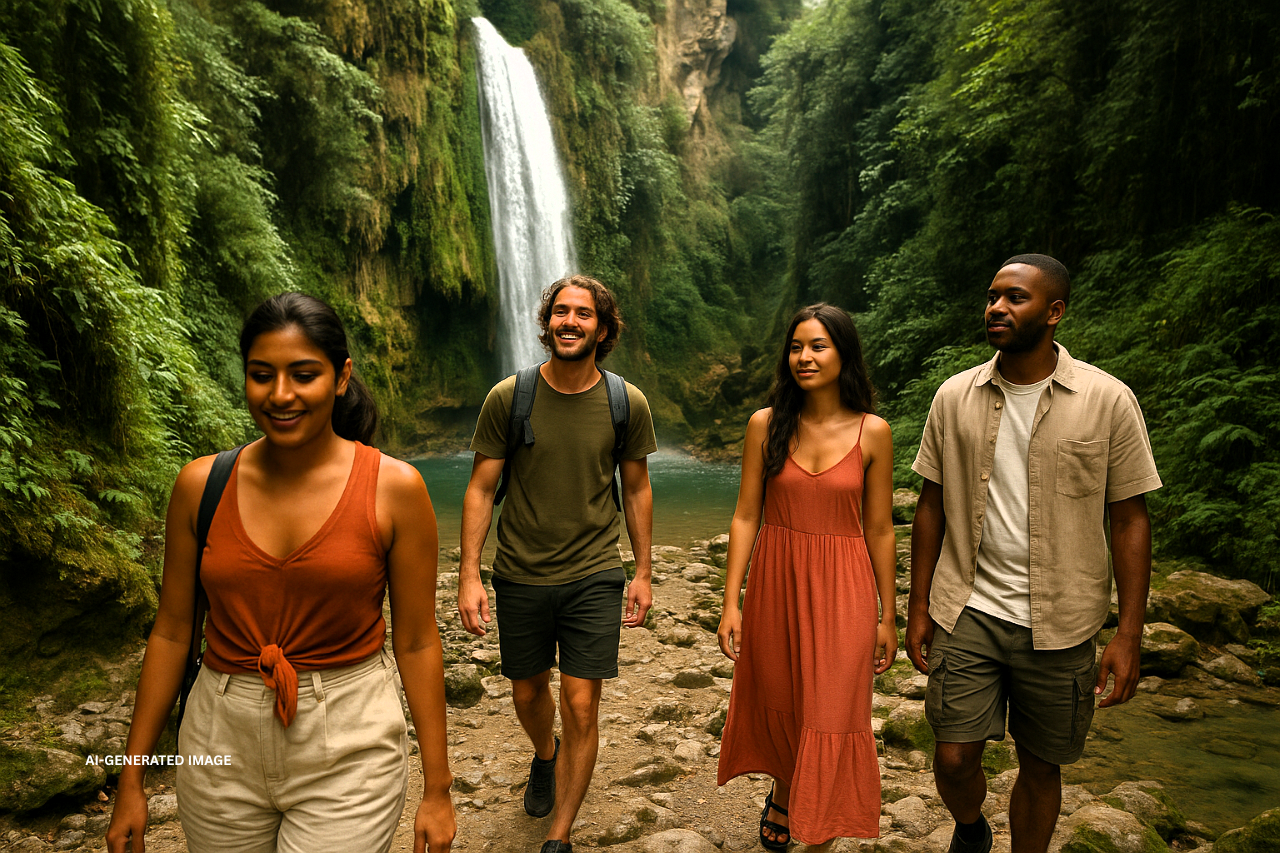
Patna Waterfall
Located near Rajaji National Park, this waterfall is surrounded by limestone caves. The trek to the site is just as beautiful as the destination itself.
Kunjapuri Temple
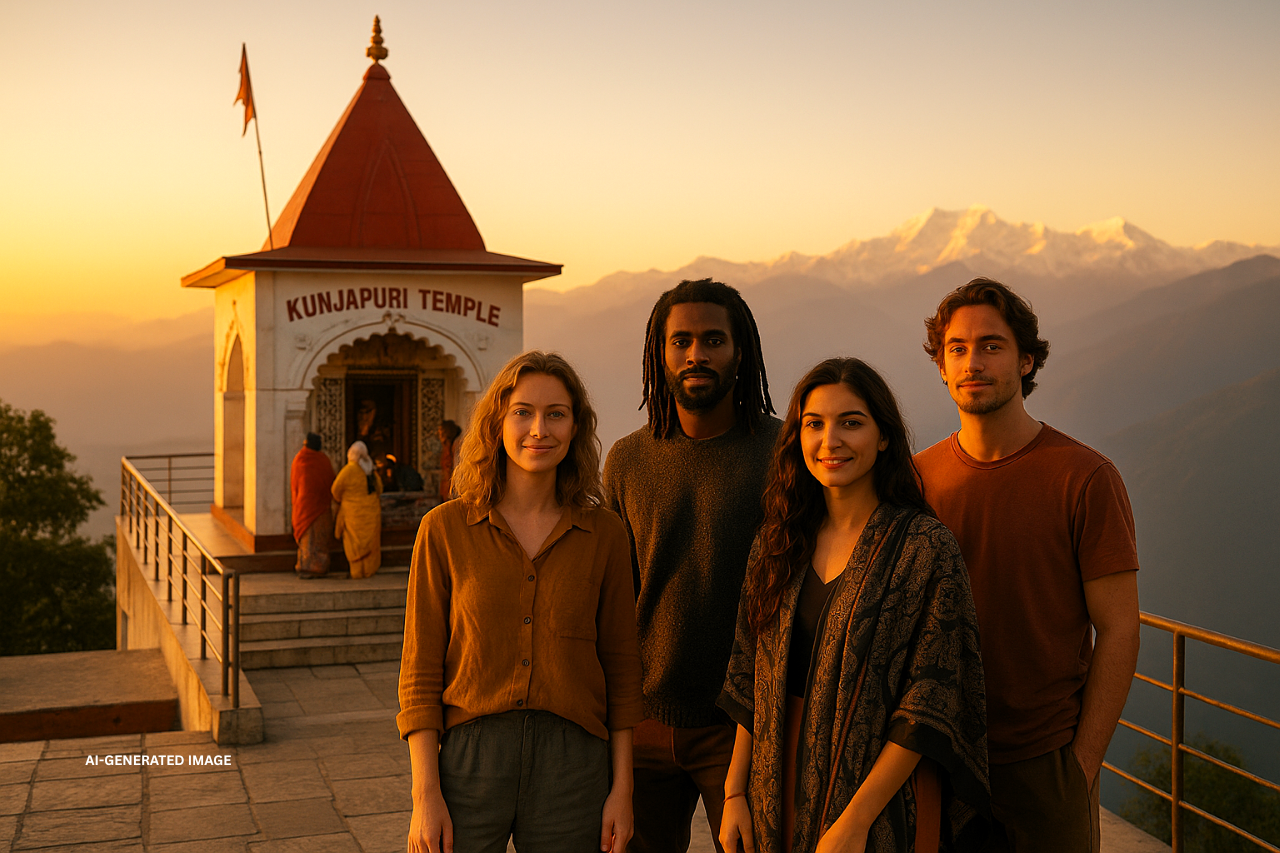
Perched on a hilltop about 25 km from Rishikesh, this temple is known for its breathtaking sunrise views of the Himalayan peaks. Many retreats include early morning treks here for spiritual inspiration.
Local Villages
Villages such as Shivpuri and Byasi offer homestays and organic farm visits, giving travelers a glimpse of traditional Himalayan life.
Scenic Cafés
Rishikesh has a vibrant café culture. Popular spots like The Beatles Café and Little Buddha Café serve international dishes while offering stunning views of the Ganges. These cafés are excellent for unwinding after yoga sessions.
Best Time to Visit Rishikesh
Choosing the right time is important for making the most of your Rishikesh yoga retreat.
Seasonal Overview
-
Summer (March–June):
-
Warm and pleasant, ideal for rafting and outdoor yoga.
-
Monsoon (July–September):
-
Heavy rains bring lush greenery but limit adventure activities. Best for meditation-focused retreats.
-
Winter (October–February):
-
Cool and crisp weather with temperatures ranging from 8°C to 20°C, perfect for yoga practice and sightseeing.
Best Months for Yoga Retreats
September to March is the best period for retreats, offering mild weather and clear skies.
Best Months for Rafting
Rafting season runs from late September to early June, when the river is safe and exciting.
Festival Highlights
-
International Yoga Festival (March):
-
A global gathering of yogis.
-
Holi and Diwali:
-
The town becomes vibrant with colors, lights, and cultural celebrations.
Packing Essentials
-
Cotton clothes for summer.
-
Warm jackets and shawls for winter.
-
Rain gear during the monsoon.
-
Comfortable yoga attire and sturdy footwear for treks.
Rishikesh Itinerary
A well-structured itinerary helps balance yoga practice with sightseeing and adventure.
One-Day Plan
-
Morning:
-
Yoga session at an ashram.
-
Afternoon:
-
Visit Lakshman Jhula and Ram Jhula.
-
Evening:
-
Attend the Ganga Aarti at Triveni Ghat.
Three-Day Plan
-
Day 1:
-
Orientation at the retreat and evening Ganga Aarti.
-
Day 2:
-
White water rafting and Beatles Ashram exploration.
-
Day 3:
-
Trek to Neer Garh Waterfall and relax in local cafés.
Five-Day Plan
-
Add a sunrise trek to Kunjapuri Temple.
-
Include Ayurvedic therapies, meditation sessions, and satsangs.
Seven-Day Plan
-
Participate in a full retreat program.
-
Take day trips to Haridwar, Devprayag, or Rajaji National Park.
-
Join evening satsangs and cultural workshops.
Tips for Balancing Yoga and Exploration
-
Dedicate mornings to yoga and meditation.
-
Plan rafting or trekking on alternate days.
-
Keep some evenings free for reflection, journaling, or quiet time by the river.
Day Trips and Excursions from Rishikesh
A Rishikesh yoga retreat is fulfilling on its own, but many travelers extend their stay with short excursions. The surrounding towns, temples, and natural sites offer a chance to explore more of Uttarakhand’s culture and beauty.
Haridwar
Located just 20 km away, Haridwar is another sacred city on the Ganges. The Ganga Aarti at Har Ki Pauri is renowned worldwide and a profoundly moving spiritual experience. Pilgrims and travelers gather every evening to watch thousands of diyas float on the river.
Dehradun
The state capital, about 45 km from Rishikesh, is known for its natural springs, colonial buildings, and lively cafés. Attractions like Robber’s Cave and the Forest Research Institute are popular stops.
Mussoorie
Often called the “Queen of the Hills,” Mussoorie is about 75 km from Rishikesh. Its cool climate, waterfalls, and viewpoints make it a refreshing getaway after days of yoga practice.
Rajaji National Park
Spread across 800 sq. km., this park is home to elephants, leopards, and hundreds of bird species. A jungle safari here adds an adventurous twist to your retreat.
Devprayag
This sacred town marks the confluence of the Alaknanda and Bhagirathi rivers, forming the holy Ganges. Visiting Devprayag offers both natural beauty and spiritual depth.
Practical Travel Guide to Rishikesh
Proper planning helps ensure a smooth and enjoyable Rishikesh yoga retreat.
Getting There
-
By Air:
-
The nearest airport is Jolly Grant (Dehradun), around 20 km from Rishikesh.
-
By Train:
-
Haridwar Junction, 25 km away, is the closest major railhead.
-
By Road:
-
Regular buses and taxis connect Rishikesh with Delhi (240 km) and nearby cities.
Accommodation Options
-
Ashrams:
-
Affordable and spiritual stays such as Parmarth Niketan or Sivananda Ashram.
-
Budget Hostels:
-
Backpacker-friendly options like Zostel and Live Free Hostel.
-
Luxury Resorts:
-
High-comfort stays such as Aloha on the Ganges and Divine Resort.
Food Guide
Rishikesh is strictly vegetarian, with many cafés serving organic and Ayurvedic meals. Popular spots include:
-
Chotiwala Restaurant:
-
Traditional Indian dishes.
-
Ayurpak:
-
Ayurvedic-inspired vegetarian meals.
-
The Beatles Café:
-
International cuisine with river views.
Getting Around
-
Walking and auto-rickshaws are ideal for short distances.
-
Bikes and scooters can be rented for local trips.
-
Shared jeeps and taxis are available for day trips and treks.
Tips for International Travelers
-
Dress modestly, especially at temples and ashrams.
-
Alcohol and non-vegetarian food are restricted in the town.
-
Carry a reusable water bottle to minimize plastic use.
-
Expect limited internet in ashrams that encourage digital detox.
Budget Overview
-
Budget travelers:
-
₹1500–₹2500 per day.
-
Luxury stays:
-
₹4000+ per day.
-
Retreat packages:
-
$400–$1000 for short retreats, $1200–$3000 for teacher training.
Sustainable and Responsible Tourism
Preserving Rishikesh’s environment and spiritual essence requires conscious travel practices.
Eco-Friendly Efforts
Many ashrams focus on sustainability with organic food, solar energy, and waste management. Parmarth Niketan also organizes Ganges cleanup campaigns.
How Travelers Can Contribute
-
Avoid single-use plastics.
-
Respect cultural norms and dress codes.
-
Buy souvenirs and handicrafts from local artisans.
-
Join eco-volunteering or Ganga cleanup initiatives.
Sustainable Retreats
Several yoga centers combine eco-conscious living with traditional practices, offering vegan meals, solar-powered accommodations, and community projects.
Festivals and Events in Rishikesh
Rishikesh is vibrant throughout the year, but its festivals add an extra layer of energy.
International Yoga Festival
Held every March at Parmarth Niketan, this festival brings together world-class yoga teachers, students, and spiritual leaders for workshops, lectures, and cultural events.
Ganga Dussehra
Celebrated in May or June, this festival marks the descent of the Ganges to Earth. Thousands of devotees take a ritual dip in the river.
Makar Sankranti & Holi
Both festivals are celebrated with devotion and joy. Holi, the festival of colors, fills the town with vibrancy and togetherness.
14.4 Satsangs and Kirtans
Year-round, ashrams host spiritual gatherings featuring chanting, guided meditation, and philosophical discussions.
Conclusion
A Rishikesh yoga retreat is more than a holiday—it is a journey of self-discovery. With the Himalayas as its backdrop and the Ganges flowing through its heart, Rishikesh offers an extraordinary combination of yoga, spirituality, wellness, and adventure.
Whether you are attending a short retreat, pursuing yoga teacher training, rafting in the Ganges, or meditating in ancient caves, Rishikesh provides experiences that transform both body and mind. It is a destination that inspires balance, healing, and spiritual awakening.
FAQs
What is the average cost of a yoga retreat in Rishikesh?
Short retreats range from $400–$1000, while teacher training programs cost $1200–$3000.
Do I need prior yoga experience?
No. Retreats in Rishikesh cater to both beginners and advanced practitioners.
Should I choose a short retreat or YTT?
Choose a short retreat for personal growth and YTT if you want to teach yoga professionally.
Is Rishikesh safe for solo women travelers?
Yes, Rishikesh is generally safe. Basic precautions, such as avoiding late-night walks, are recommended.
What should I pack for a retreat?
Yoga clothing, cotton wear, a meditation shawl, a reusable water bottle, and sturdy shoes.
When is the International Yoga Festival held?
Every March at Parmarth Niketan Ashram.
Can retreats include adventure activities?
Yes. Many travelers combine yoga with rafting, trekking, or day trips.
Are retreats vegetarian only?
Yes, most follow vegetarian or vegan diets in line with yogic philosophy.
How long does yoga teacher training take?
200-hour YTT lasts 3–4 weeks, 300-hour takes 5–6 weeks, and 500-hour may last up to 3 months.
Is Rishikesh suitable for families?
Absolutely. Families can enjoy yoga, nature, temples, and soft adventure activities.