
Introduction
Mekong Delta tours open the door to one of Vietnam’s most captivating regions, where rivers shape both the landscape and the lifestyle. Far removed from the fast pace of major cities, the Mekong Delta offers a tranquil world of winding waterways, emerald rice fields, floating markets, and welcoming villages. For travelers seeking authentic cultural experiences, this region provides a refreshing contrast to urban sightseeing.
Located in southern Vietnam, the Mekong Delta is formed where the mighty Mekong River spreads into countless branches before reaching the sea. This vast network of rivers and canals supports agriculture, trade, and everyday life, creating a landscape that feels alive with movement and tradition. Mekong Delta tours allow visitors to explore this unique environment while learning how generations of local families have adapted to life on water.
Many travelers choose Mekong Delta tours to experience floating markets, peaceful countryside scenery, and traditional villages within a single journey. Others come for scenic boat rides through palm-lined canals, fresh tropical fruits from riverside orchards, or overnight stays in charming homestays. Whether visiting for one day or several nights, every tour reveals a side of Vietnam that feels genuine and deeply rooted in heritage.
What makes Mekong Delta tours especially meaningful is the opportunity to connect with local communities. Visitors observe daily routines, share meals with host families, and witness age-old customs that continue alongside modern development. From sunrise market scenes to quiet evenings beside the river, the delta invites travelers to slow down and appreciate life’s simple moments.
This comprehensive guide to Mekong Delta tours will help you understand the region’s cultural importance, discover different tour styles, and plan your journey with confidence. As you continue reading, you will explore the delta’s geography, learn about popular tour formats, and prepare for unforgettable experiences in southern Vietnam.
Geography and Cultural Importance of the Mekong Delta
To fully appreciate Mekong Delta tours, it is essential to understand the region’s natural setting and cultural fabric. The Mekong River begins thousands of kilometers away in the Tibetan Plateau and flows through several Southeast Asian countries before entering Vietnam. Upon reaching southern Vietnam, the river divides into numerous tributaries, forming the fertile Mekong Delta.
Covering approximately 40,000 square kilometers, the delta includes provinces such as Can Tho, Ben Tre, My Tho, Vinh Long, Chau Doc, Soc Trang, and Dong Thap. Each area has its own personality, yet all share a close relationship with water. Rivers serve as transportation routes, marketplaces operate on boats, and many homes are built alongside canals. Life here moves in harmony with seasonal water levels and agricultural cycles.
The Mekong Delta plays a vital role in Vietnam’s food production. Often referred to as the country’s “rice basket,” the region supplies more than half of Vietnam’s rice, along with large quantities of seafood and tropical fruit. Coconut plantations stretch across Ben Tre, fruit orchards flourish in Vinh Long, and expansive rice paddies dominate the countryside. Mekong Delta tours showcase this agricultural richness through farm visits and local tastings.
Cultural diversity further enriches the delta. Vietnamese communities live alongside Khmer and Chinese populations, creating a blend of traditions, architecture, and cuisine. Buddhist pagodas stand near Khmer temples, while markets reflect a mix of languages and customs. This multicultural heritage adds depth to Mekong Delta tours, offering travelers varied cultural encounters within a single region.
River-based living has also shaped unique traditions. Floating markets emerged because waterways were historically easier to navigate than roads. Families learned to trade from boats, children grew up swimming in canals, and villages adapted to annual floods. Although modernization has introduced bridges and highways, many communities still depend on rivers for daily activities.
Understanding this background helps travelers see Mekong Delta tours not merely as excursions, but as journeys into a living culture shaped by water, resilience, and cooperation.
Types of Mekong Delta Tours
One of the greatest strengths of Mekong Delta tours is their flexibility. Visitors can choose experiences that suit their schedule, budget, and travel style. From short day trips to extended river cruises, the delta offers options for every type of traveler.
Day Tours from Ho Chi Minh City
Day tours are the most common introduction to Mekong Delta tours. These trips usually begin early in the morning with departures from Ho Chi Minh City and return by evening.
A typical day tour includes a scenic drive to towns such as My Tho or Ben Tre, followed by boat rides through rivers and narrow canals. Travelers often visit fruit orchards, coconut candy workshops, and small villages, with lunch served at a local restaurant. Short sampan rides beneath nipa palms provide peaceful moments away from busy roads.
Day tours are ideal for travelers with limited time who want a general overview of delta life. They deliver highlights efficiently, although the pace can feel fast and the coverage limited.
Overnight Mekong Delta Tours
For a deeper experience, overnight Mekong Delta tours allow travelers to spend one or two nights in the region. These tours offer a slower rhythm and access to early-morning floating markets, which are difficult to visit on day trips.
Overnight itineraries usually include accommodation in riverside hotels or homestays. Guests enjoy evenings in quiet towns, early visits to markets such as Cai Rang, and additional activities such as cycling through villages or participating in cooking sessions.
By extending their stay, travelers gain a better understanding of rural life and experience moments that day tours often miss.
Private vs Group Mekong Delta Tours
Travelers can also choose between private and group Mekong Delta tours. Group tours are budget-friendly and sociable, following fixed schedules with shared transportation and guides.
Private tours provide personalized experiences, allowing visitors to adjust itineraries, spend more time at favorite locations, and travel at their own pace. They suit families, couples, and photographers seeking quieter environments and tailored activities.
While private tours cost more, they offer greater flexibility and comfort.
Luxury vs Budget Mekong Delta Tours
Mekong Delta tours range from basic to high-end. Budget tours focus on essential transportation, standard meals, and simple lodging, making them accessible to a wide audience.
Luxury Mekong Delta tours elevate the journey with boutique river cruises, elegant cabins, fine dining, and curated excursions. These experiences often include premium service, smaller group sizes, and exclusive activities.
Both options reveal the delta’s beauty, allowing travelers to choose according to personal preferences.
🌴 Mekong Delta Attractions
The heart of Mekong Delta tours lies in the region’s diverse attractions, which revolve around rivers, agriculture, and everyday village life. Rather than focusing on grand monuments, Mekong Delta attractions highlight living traditions, working landscapes, and cultural authenticity. Every stop along the journey reveals how communities thrive in harmony with water and fertile land.
Travelers on Mekong Delta tours quickly discover that attractions here are not staged for visitors. Floating markets operate for local trade, orchards supply fruit to nearby towns, and villages preserve customs passed down through generations. This authenticity creates deeply meaningful travel experiences.
From vibrant river markets to peaceful countryside paths, Mekong Delta attractions offer a rich blend of culture, nature, and human connection.
Floating Markets of the Mekong Delta
Floating markets remain the most recognizable symbols of Mekong Delta tours. These river-based marketplaces developed when waterways served as primary transportation routes, allowing farmers and traders to sell goods directly from boats.
Visiting floating markets early in the morning reveals scenes of organized chaos, with wooden vessels gliding past one another, baskets overflowing with produce, and aromas of freshly cooked noodles drifting across the water. Vendors use tall bamboo poles to display their products, helping buyers identify goods from a distance.
For travelers, floating markets offer an unforgettable glimpse into river commerce that continues to support local livelihoods.
Cai Rang Floating Market
Cai Rang Floating Market, near Can Tho, is the largest and most active floating market in the region. Most overnight Mekong Delta tours schedule sunrise visits here, when trading is busiest and light conditions are ideal for photography.
Large boats stacked with pineapples, pumpkins, and watermelons mingle with smaller vessels selling coffee and breakfast dishes. The market’s energy reflects real economic activity rather than a tourist performance.
Visitors often enjoy hot noodle soup prepared on floating kitchens while watching merchants negotiate prices across the river. Cai Rang provides an authentic introduction to the commercial heartbeat of the Mekong Delta.
Phong Dien Floating Market
Phong Dien Floating Market offers a quieter alternative for travelers seeking a more intimate atmosphere. Located outside Can Tho, this market attracts fewer tour groups, allowing visitors to observe daily transactions without heavy crowds.
Here, smaller boats dominate, and interactions feel personal. Many Mekong Delta tours include Phong Dien for travelers who prefer peaceful surroundings and closer engagement with local vendors.
Cai Be Floating Market
Cai Be Floating Market lies along the Tien River and is frequently visited on Mekong Delta tours departing from Ho Chi Minh City. While smaller than Cai Rang, Cai Be combines river trading with nearby craft villages.
Visitors often pair market visits with stops at rice paper workshops, coconut candy factories, and family-run orchards, creating well-rounded cultural experiences.
The Cultural Meaning of Floating Markets
Floating markets represent more than tourist attractions. They symbolize adaptability and cooperation within river communities. Entire families conduct business from boats, passing knowledge from one generation to the next.
By supporting floating markets through responsible Mekong Delta tours, travelers help preserve these traditions while contributing to local economies.
Fruit Orchards and Local Farming Experiences
Agricultural visits form a central part of Mekong Delta tours. Thanks to nutrient-rich soil and a tropical climate, the region produces an impressive variety of fruits, including mangoes, durian, longan, rambutan, pomelo, and dragon fruit.
Many tours include orchard walks where visitors sample fresh fruit directly from trees. Beekeeping demonstrations often accompany tastings, introducing honey tea made from nearby flower fields.
In Ben Tre, coconut plantations dominate the landscape. Travelers learn how coconuts are transformed into candy, oil, handicrafts, and charcoal, showcasing the resourceful use of every component.
Rice cultivation also plays a vital role. Some Mekong Delta tours feature visits to rice paddies, explaining planting and harvesting cycles while highlighting the delta’s contribution to national food security.
These farming experiences deepen appreciation for rural livelihoods and sustainable agriculture.
Traditional Villages and Handicraft Communities
Village visits provide some of the most personal moments during Mekong Delta tours. Narrow paths wind past wooden homes, vegetable gardens, and canals where residents greet travelers with warm smiles.
Handicraft villages specialize in mat weaving, brick making, and boat construction. Watching artisans at work reveals skills refined over decades. Visitors observe clay shaping in brick kilns, colorful mat production, and traditional boat-building techniques.
Cycling through villages offers relaxed exploration, allowing travelers to move slowly through rural landscapes while interacting with locals.
Overnight Mekong Delta tours increasingly include homestays, where guests share meals with host families and learn about daily routines. These stays foster meaningful cultural exchange while supporting community-based tourism.
Temples, Pagodas, and Spiritual Heritage
Spiritual landmarks contribute depth to Mekong Delta attractions. The region’s cultural diversity is reflected in Buddhist pagodas, Khmer temples, and Cao Dai sanctuaries.
Buddhist pagodas
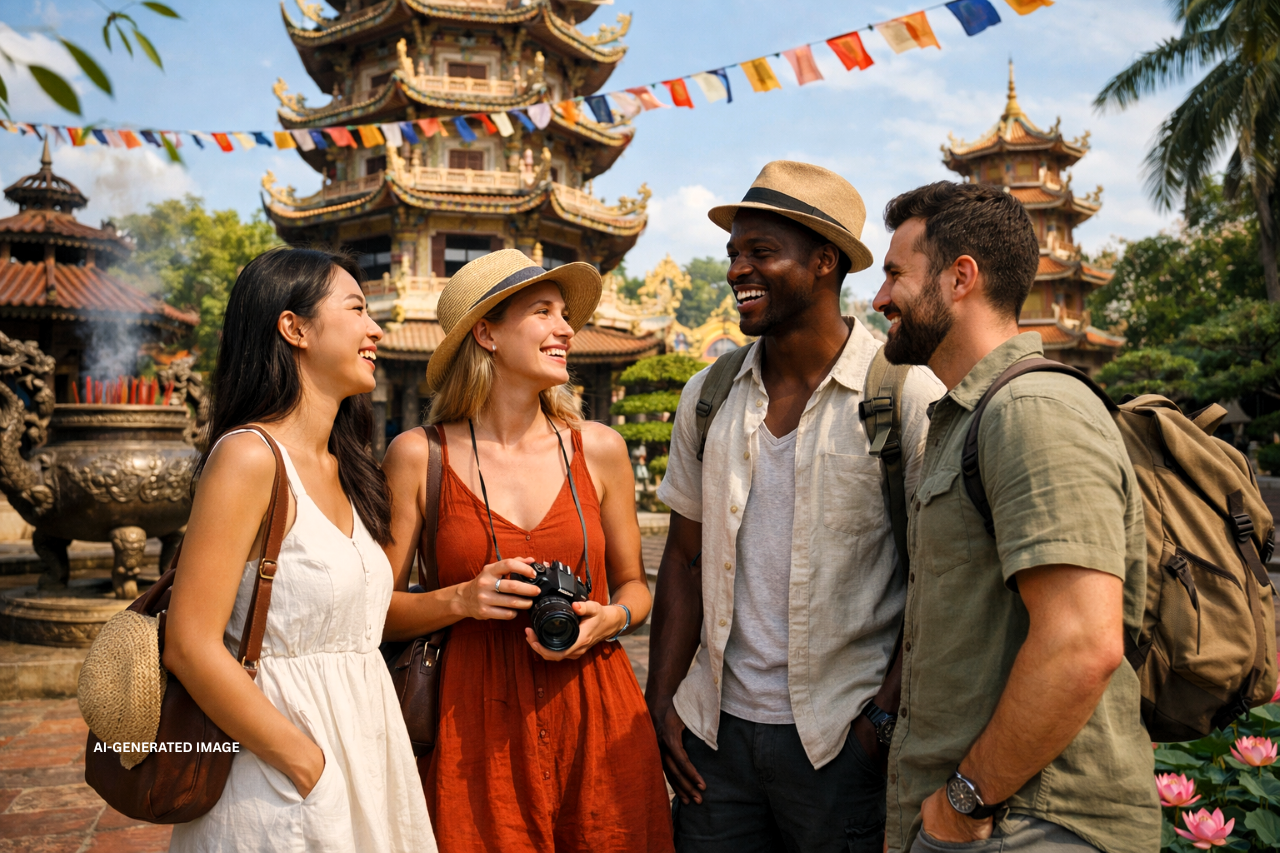
Khmer pagodas in Soc Trang and Tra Vinh feature intricate carvings and vibrant colors, serving as cultural centers for Khmer communities. Buddhist temples offer peaceful retreats, where visitors observe monks’ daily practices and admire traditional architecture.
Khmer temples
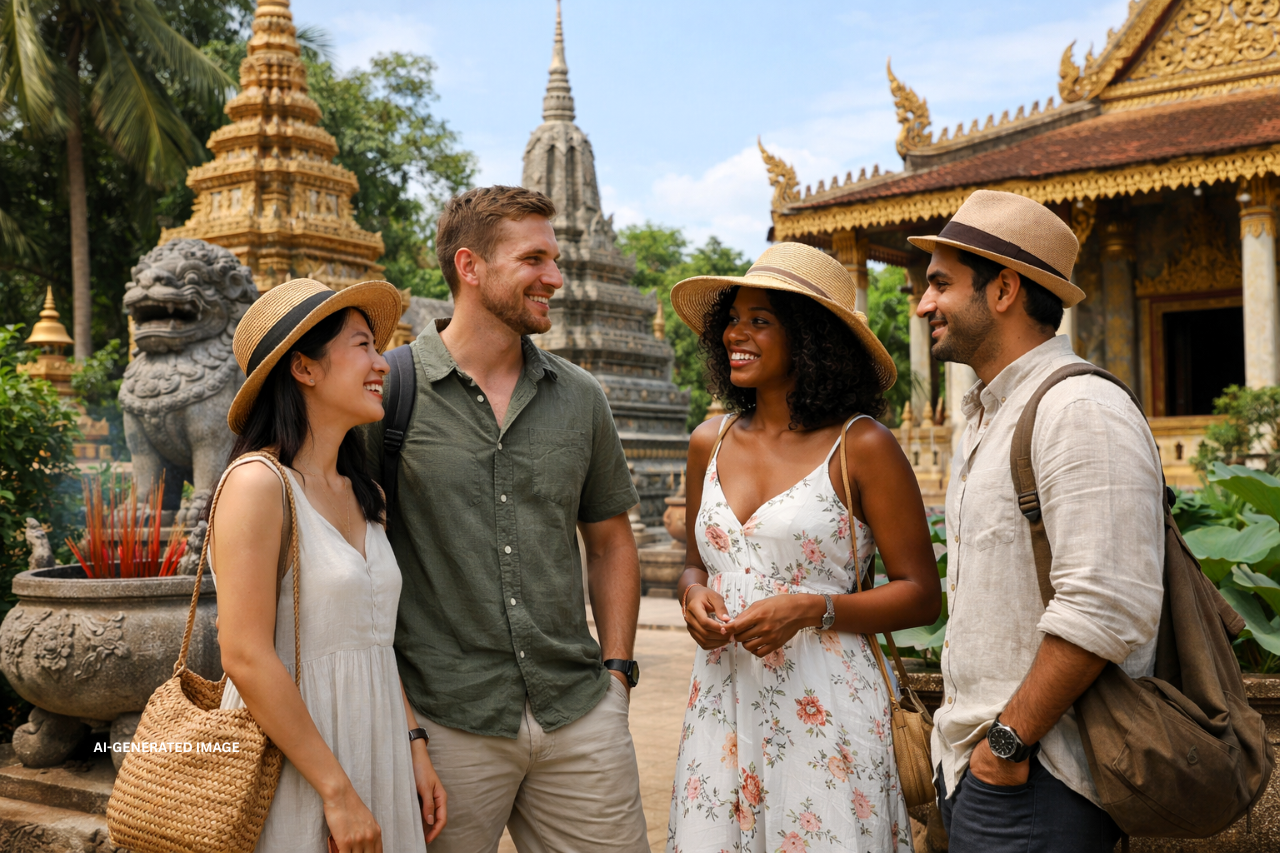
Cao Dai temples present a uniquely Vietnamese spiritual blend, combining elements from several religions. Their symbolic artwork provides fascinating insight into regional belief systems.
Cao Dai temples
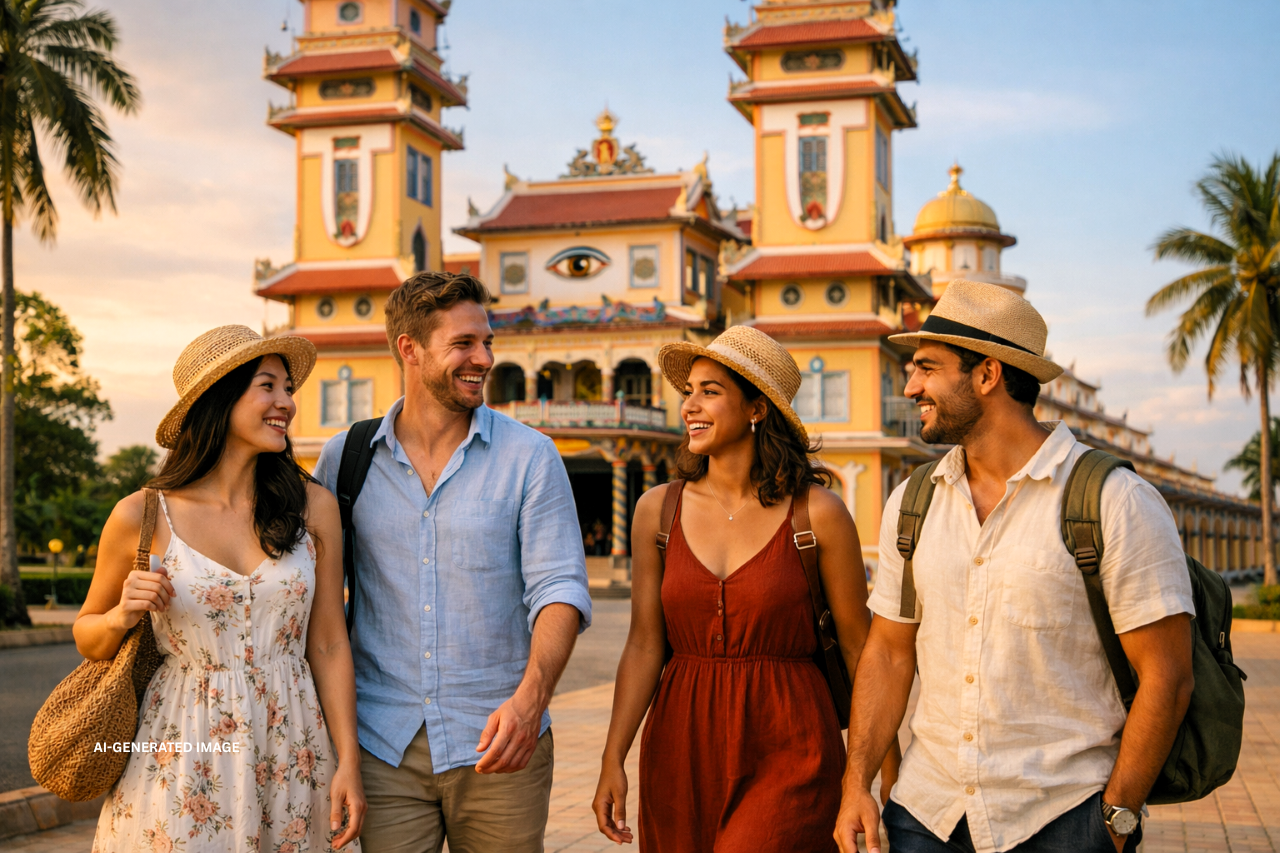
When visiting spiritual sites on Mekong Delta tours, travelers are encouraged to dress respectfully and observe local customs.
Wildlife and Natural Landscapes
Nature-focused Mekong Delta tours reveal wetlands, mangroves, and bird sanctuaries that support diverse ecosystems.
Tra Su Cajuput Forest near Chau Doc is a standout destination. Visitors glide quietly through flooded forests, surrounded by towering trees and floating greenery. Birdlife thrives here, offering excellent opportunities for wildlife observation and photography.
Mangrove forests along the coast protect shorelines and sustain fisheries. Eco-excursions introduce travelers to conservation efforts while showcasing unique river environments.
Seasonal flooding transforms rice fields into reflective waterways, creating striking scenery that changes throughout the year. These landscapes highlight nature’s role in shaping delta life.
Why Mekong Delta Attractions Feel Unique
Unlike conventional sightseeing destinations, Mekong Delta attractions center on living traditions rather than static landmarks. Markets function because communities depend on them, orchards supply real harvests, and villages welcome travelers into genuine homes.
Mekong Delta tours invite visitors to participate in everyday experiences—sharing fruit with farmers, sipping coffee on floating boats, and cycling through quiet lanes. These interactions create emotional connections that linger long after journeys end.
By blending culture, agriculture, spirituality, and nature, Mekong Delta attractions offer travelers authentic perspectives on southern Vietnam’s heartland.
🚢 Mekong Delta Cruise
A Mekong Delta cruise transforms traditional sightseeing into a flowing journey through southern Vietnam’s waterways. While standard Mekong Delta tours often rely on short boat transfers, cruises allow travelers to remain on the river for extended periods, experiencing the delta much as local communities do—at an unhurried pace.
Cruising through the Mekong Delta offers a constantly changing panorama. Fishing boats glide past wooden stilt houses, farmers tend crops beside narrow canals, and children wave from riverbanks. Instead of rushing from one attraction to another, travelers observe daily life unfolding naturally.
For many visitors, a Mekong Delta cruise becomes the emotional centerpiece of their Mekong Delta tours. The gentle movement of water, open landscapes, and close connection to riverside communities create moments of reflection that are difficult to find elsewhere.
Modern cruises range from short daytime journeys to multi-day river expeditions with private cabins and curated excursions. Regardless of comfort level, all Mekong Delta cruises share a focus on immersive exploration and meaningful cultural encounters.
Types of Mekong Delta Cruises
Travelers can choose from several styles of Mekong Delta cruises depending on available time, travel preferences, and budget.
Short Day Cruises
Short cruises are commonly included in one-day and overnight Mekong Delta tours. These experiences usually last a few hours and focus on navigating canals, visiting villages, and exploring nearby orchards.
Passengers typically ride traditional wooden boats or covered sampans while guides explain local customs and agricultural practices. Stops often include coconut workshops, fruit tastings, and handicraft villages.
Although brief, these cruises provide peaceful introductions to river life and serve as gateways into the broader Mekong Delta experience.
Day cruises suit travelers who want scenic waterways without overnight commitments.
Overnight River Cruises
Overnight Mekong Delta cruises offer deeper immersion by allowing travelers to live on the river for one or more nights. Cabins provide comfort, while itineraries combine cruising with guided shore excursions.
Mornings begin with misty river views and breakfast as villages drift past cabin windows. Daily activities may include floating market visits, cycling through countryside paths, temple tours, and orchard walks.
Evenings are calm and atmospheric. As boats anchor for the night, guests enjoy dinner onboard while watching reflections ripple across dark waters. Some cruises offer cultural presentations or cooking demonstrations, adding richness to the journey.
Overnight cruises are ideal for travelers who want relaxed pacing and access to remote areas not easily reached by road.
Luxury Mekong Delta Cruises
Luxury Mekong Delta cruises elevate river travel with boutique vessels, spacious cabins, and attentive service. These ships often accommodate smaller groups, ensuring personalized experiences and quiet onboard environments.
Cabins typically feature private balconies, panoramic windows, and elegant interiors. Onboard amenities may include spa treatments, sun decks, and gourmet dining featuring regional cuisine.
Luxury cruises emphasize curated experiences, such as private village visits, guided market walks with chefs, and sunset cocktail gatherings. Travelers seeking comfort, exclusivity, and refined service often choose this style of Mekong Delta tour.
While premium pricing applies, luxury cruises provide unforgettable journeys that combine scenic beauty with sophisticated hospitality.
Daily Life on a Mekong Delta Cruise
Understanding onboard routines helps travelers prepare for Mekong Delta cruises.
Most days follow a gentle rhythm. Early mornings often align with floating market visits or village activity. After breakfast, passengers disembark for guided excursions before returning to the ship for lunch and afternoon cruising.
Midday hours invite relaxation. Guests lounge on decks, read, or enjoy panoramic views as rice fields and fishing villages pass by. Afternoons may include additional cultural stops or countryside cycling.
Evenings bring quieter moments with dinner service and open-air relaxation. Conversations with fellow travelers and friendly crew members create warm, communal atmospheres.
This slow-paced structure distinguishes Mekong Delta cruises from conventional tours, allowing travelers to truly absorb their surroundings.
Shore Excursions During Mekong Delta Cruises
Cruises complement Mekong Delta tours by providing access to rural communities and lesser-known destinations.
Typical excursions include:
-
Sunrise visits to floating markets
-
Village cycling through orchards and rice fields
-
Pagoda and temple exploration
-
Coconut processing demonstrations
-
Traditional music performances
-
Local cooking experiences
Small group sizes allow meaningful interactions with residents and personalized guidance from local experts. These excursions highlight everyday traditions while supporting community-based tourism.
Through shore visits, Mekong Delta cruises reveal layers of culture beyond riverside scenery.
Onboard Comfort and Dining Experiences
Modern Mekong Delta cruise ships prioritize comfort without disconnecting travelers from nature. Cabins usually include air conditioning, private bathrooms, and large windows or balconies.
Common areas offer observation decks, lounges, and dining rooms with river views. Friendly crews provide attentive service while sharing insights about delta life.
Dining is an essential part of Mekong Delta cruises. Menus feature Vietnamese specialties prepared using locally sourced ingredients. Guests enjoy dishes such as caramelized fish, fresh spring rolls, tropical salads, and coconut desserts. Vegetarian options are generally available.
Meals often become social highlights, encouraging travelers to exchange stories while savoring regional flavors.
Photography on Mekong Delta Cruises
Photography enthusiasts find Mekong Delta cruises exceptionally rewarding. Early morning mist, golden sunsets, floating markets, and candid village scenes offer endless visual inspiration.
Wide decks provide stable platforms for landscape shots, while small excursion boats allow close-up photography of daily activities. Constant movement through changing environments creates diverse compositions throughout the journey.
Many travelers consider cruises the best way to capture the spirit of Mekong Delta tours through images.
Packing Tips for Mekong Delta Cruises
Thoughtful packing enhances cruise comfort.
Recommended items include:
-
Lightweight clothing suitable for tropical weather
-
Modest outfits for temple visits
-
Comfortable walking shoes or sandals
-
Sun hats, sunglasses, and sunscreen
-
Insect repellent
-
Small backpacks for shore excursions
-
Power banks and camera equipment
For overnight cruises, swimwear may be useful if ships offer pools. Motion sickness remedies can help sensitive travelers, although rivers are typically calm.
Being prepared allows guests to fully enjoy their Mekong Delta tours without distraction.
Why a Mekong Delta Cruise Is So Memorable
While short Mekong Delta tours introduce travelers to highlights, cruises deliver continuous immersion. They eliminate long road journeys and replace them with flowing landscapes and cultural encounters.
Instead of treating transportation as downtime, Mekong Delta cruises turn movement itself into an experience. Travelers wake up surrounded by water, spend days exploring riverside communities, and fall asleep under starlit skies.
For many, this slow journey becomes the most cherished memory of southern Vietnam.
🌤 Best Time to Visit Mekong Delta
Choosing the right season plays a major role in shaping your Mekong Delta tours experience. Although the region welcomes visitors throughout the year, weather patterns influence river levels, farming activities, and overall travel comfort. Understanding these seasonal changes helps travelers plan more enjoyable and meaningful journeys.
The Mekong Delta follows a tropical climate with two distinct seasons: dry and wet. Each season offers its own charm, landscapes, and travel advantages.
Dry Season (November to April)
The dry season is widely regarded as the most comfortable period for Mekong Delta tours. During these months, rainfall is minimal, humidity is lower, and skies are generally clear. Average temperatures range between 25°C and 32°C, making outdoor activities such as boat rides, cycling, and village walks pleasant.
Floating markets operate at full energy, canals remain easily accessible, and rural roads are dry enough for extended exploration. December through February attracts the highest number of international visitors, drawn by mild weather and bright sunshine.
Key benefits of visiting during the dry season include:
-
Excellent visibility for photography
-
Calm river conditions ideal for Mekong Delta cruises
-
Comfortable temperatures for sightseeing
-
Easier access to rural attractions
Because this is peak season, popular Mekong Delta tours and river cruises often fill quickly. Travelers are advised to reserve accommodations and tour packages in advance.
Wet Season (May to October)
The wet season brings warmer temperatures and periodic tropical showers, usually occurring in the late afternoon or evening. While some travelers hesitate to visit during this time, many discover that the rainy season offers unique rewards.
Rain revitalizes the countryside, transforming rice fields into vibrant green landscapes and filling canals to higher levels. This creates dramatic scenery and allows boats to reach remote waterways that may be inaccessible during drier months.
Advantages of wet-season Mekong Delta tours include:
-
Fewer tourists and quieter attractions
-
Lower prices for hotels and cruises
-
Lush natural surroundings
-
Increased wildlife activity, especially birdlife
Although humidity increases, rainfall rarely lasts all day. With flexible planning, travelers can still enjoy full itineraries and immersive cultural experiences.
Month-by-Month Travel Insights
Each month offers different highlights:
-
November–January: Cooler temperatures, ideal for cruising and sightseeing
-
February–April: Warm, dry days perfect for photography and cycling
-
May–June: Fresh landscapes with lighter crowds
-
July–August: Peak greenery with occasional heavy showers
-
September–October: High water levels, scenic river views, and fewer visitors
These variations ensure that Mekong Delta tours remain appealing throughout the year.
Festivals and Seasonal Celebrations
Timing Mekong Delta tours around local festivals adds cultural richness to travel experiences.
Notable events include:
-
Ok Om Bok Festival: A Khmer celebration featuring boat races and lantern ceremonies
-
Tet (Vietnamese Lunar New Year): Marked by flower markets, family gatherings, and festive decorations
-
Local harvest festivals: Celebrating agricultural cycles and community traditions
Traveling during these periods provides deeper insight into regional customs and collective celebrations.
🗺 Mekong Delta Itinerary
Creating a balanced Mekong Delta itinerary allows travelers to explore key attractions while maintaining a relaxed pace. Below are sample itineraries commonly featured in Mekong Delta tours, suitable for different schedules and interests.
1-Day Mekong Delta Itinerary
A one-day itinerary is perfect for travelers with limited time who still want to experience the essence of the delta.
Typical flow:
An early departure from Ho Chi Minh City is followed by a drive to My Tho or Ben Tre. Upon arrival, travelers board boats to explore rivers and canals lined with coconut palms.
Activities usually include:
-
Sampan rides through narrow waterways
-
Orchard visits with fresh fruit tastings
-
Coconut candy or rice paper workshops
-
A traditional Vietnamese lunch
The afternoon features village walks or short cycling routes before returning to Ho Chi Minh City by evening.
Although brief, this itinerary introduces core elements of Mekong Delta tours.
2-Day Mekong Delta Itinerary
A two-day itinerary offers deeper engagement and overnight experiences.
Day 1:
Travel from Ho Chi Minh City to Ben Tre or Vinh Long, exploring canals, villages, and orchards. Continue to Can Tho for overnight accommodation.
Evenings in Can Tho provide relaxed riverfront dining and opportunities to visit local night markets.
Day 2:
An early morning trip to Cai Rang Floating Market is followed by village cycling, temple visits, or orchard walks. Travelers then return to Ho Chi Minh City in the afternoon.
This option balances cultural immersion with comfortable pacing and remains one of the most popular Mekong Delta tours.
3-Day Mekong Delta Itinerary
Three-day itineraries allow travelers to explore multiple provinces and natural areas.
Day 1:
Depart Ho Chi Minh City for Ben Tre or Vinh Long. Enjoy canal cruises, handicraft villages, and orchard tastings. Overnight in Can Tho.
Day 2:
Visit Cai Rang Floating Market at sunrise, then continue to Chau Doc with stops at temples and rural towns along the way.
Day 3:
Explore Tra Su Cajuput Forest by boat, visit Khmer pagodas, and return to Ho Chi Minh City via scenic countryside routes.
This itinerary suits travelers seeking comprehensive Mekong Delta tours with diverse landscapes and wildlife.
Customized Mekong Delta Itinerary Ideas
Mekong Delta tours can be tailored to match individual interests:
-
Photography-focused itineraries: Sunrise markets, riverside villages, and nature reserves
-
Family-friendly itineraries: Short boat rides, farm visits, and hands-on cooking
-
Luxury itineraries: Private transfers, boutique cruises, and curated village experiences
-
Adventure itineraries: Extended cycling routes, kayaking canals, and rural homestays
Customized itineraries allow travelers to align Mekong Delta tours with their personal travel styles.
How to Select the Right Mekong Delta Itinerary
When choosing among Mekong Delta tours, travelers should consider:
-
Length of stay
-
Preferred travel pace
-
Interest in culture, nature, or relaxation
-
Budget expectations
First-time visitors often benefit from two-day itineraries, while repeat travelers may enjoy longer journeys into less-visited regions.
Practical Planning Advice
To ensure smooth Mekong Delta tours, travelers are encouraged to:
-
Book tours early during peak season
-
Choose reputable operators
-
Confirm floating market schedules in advance
-
Allow extra travel time for traffic delays
-
Pack light for easier transfers
Thoughtful preparation enhances comfort and allows travelers to focus on meaningful experiences.
What to Pack for Mekong Delta Tours
Thoughtful packing can make your Mekong Delta tours far more comfortable and enjoyable. Because the region has a tropical climate and many activities involve boats and village walks, choosing the right essentials is important.
Lightweight, breathable clothing works best, especially fabrics that dry quickly in humid conditions. Travelers should also bring modest outfits for visiting temples and pagodas, covering shoulders and knees as a sign of respect.
Comfortable footwear is essential. Walking shoes or sturdy sandals are ideal for exploring markets and rural paths, while flip-flops can be useful for short boat transfers. A wide-brimmed hat, sunglasses, and high-quality sunscreen help protect against strong sunshine during river cruises.
Other useful items include:
-
Refillable water bottles to stay hydrated
-
Small backpacks for daily excursions
-
Insect repellent for rural evenings
-
Power banks for phones and cameras
-
Light rain jackets or ponchos during the wet season
-
Personal medications and basic first-aid supplies
For overnight Mekong Delta cruises, swimwear may come in handy if accommodations offer pools or riverside swimming areas. Travelers who are sensitive to motion may also wish to carry mild motion-sickness remedies, although Mekong waters are generally calm.
Being well prepared allows visitors to focus fully on the experiences that make Mekong Delta tours special.
Food to Try During Mekong Delta Tours
Cuisine adds a flavorful dimension to Mekong Delta tours, reflecting the region’s agricultural richness and river heritage. Meals emphasize freshness, balance, and creative use of locally sourced ingredients.
One signature specialty is elephant ear fish, typically fried whole and served with rice paper, herbs, and dipping sauces. This dish highlights how Mekong communities transform simple ingredients into memorable flavors.
Fresh spring rolls filled with shrimp, herbs, and noodles are common, often accompanied by tangy fish sauce. Clay-pot fish, caramelized pork, and sour soups made with tamarind and pineapple frequently appear on tour menus.
Ben Tre is famous for coconut-based sweets and desserts. Coconut milk enhances sticky rice, puddings, and candies, while fresh coconut water provides refreshing breaks during orchard visits.
Floating market breakfasts offer unforgettable moments. Travelers sip strong Vietnamese coffee or enjoy noodle soup prepared directly on boats, surrounded by gentle river activity.
Vegetarian meals are widely available across the delta, particularly near Buddhist temples. Travelers with dietary preferences should inform tour providers in advance.
Exploring regional cuisine deepens appreciation for local culture and enriches Mekong Delta tours through taste and tradition.
Safety, Etiquette, and Responsible Travel
Mekong Delta tours are generally safe, but following basic guidelines ensures smooth journeys.
When boarding boats, travelers should follow crew instructions carefully and wear life jackets when provided. Keeping personal belongings secure and remaining seated during river travel helps avoid accidents. Staying hydrated and protecting against sun exposure are especially important in warm weather.
Cultural respect plays a vital role in positive travel experiences. Visitors should dress modestly at religious sites, remove shoes when entering temples, and avoid touching sacred objects. Asking permission before photographing local residents shows courtesy and builds trust.
Responsible tourism supports the long-term well-being of delta communities. Travelers are encouraged to purchase from local vendors, minimize plastic waste, and respect wildlife habitats. Choosing eco-conscious Mekong Delta tours helps preserve fragile environments.
Homestay guests should observe household customs and express appreciation for their hosts’ hospitality. Small gestures of gratitude often lead to meaningful connections.
Traveling mindfully ensures that Mekong Delta tours benefit both visitors and local communities.
Conclusion
Mekong Delta tours reveal a side of Vietnam defined by rivers, traditions, and everyday resilience. Beyond floating markets and scenic canals lies a region shaped by cooperation with nature and strong community bonds.
From peaceful sampan rides to shared meals with farming families, every experience invites travelers to slow down and reconnect with simple rhythms of life. River cruises offer gentle journeys through changing landscapes, while village visits provide heartfelt cultural exchanges.
Whether explored in a single day or over several nights, Mekong Delta tours offer perspectives that extend far beyond sightseeing. The warmth of the delta comes not only from its tropical climate but also from the generosity of its people.
For travelers seeking authentic culture, natural beauty, and meaningful encounters, the Mekong Delta stands as one of southern Vietnam’s most rewarding destinations.
❓ FAQs
How many days are ideal for Mekong Delta tours?
Most travelers find two to three days ideal. This allows time for floating markets, village visits, and natural attractions without rushing. Day trips provide brief introductions, while longer tours offer deeper immersion.
Are Mekong Delta tours suitable for families?
Yes. Many Mekong Delta tours are family-friendly, featuring gentle boat rides, orchard visits, and cultural activities suitable for children. Private tours provide added flexibility for families.
Can the Mekong Delta be explored independently?
Independent travel is possible using buses and ferries, but guided Mekong Delta tours simplify logistics, provide cultural insight, and offer access to remote attractions.
Is a Mekong Delta cruise worth considering?
A Mekong Delta cruise is highly recommended for travelers who enjoy slow travel and scenic river journeys. Cruises offer comfort, curated excursions, and continuous immersion in delta life.
Which floating market is best for first-time visitors?
Cai Rang Floating Market is the most popular choice, especially at sunrise. Phong Dien offers quieter experiences, while Cai Be suits travelers on day trips from Ho Chi Minh City.
What clothing is best for Mekong Delta tours?
Lightweight clothing, comfortable footwear, sun protection, and modest attire for temples are recommended. Rain gear is useful during the wet season.
Are vegetarian meals available?
Yes. Vegetarian options are widely available, particularly near temples and on cruises. Inform tour operators in advance to ensure suitable arrangements.
How far is the Mekong Delta from Ho Chi Minh City?
Most Mekong Delta destinations are about two to three hours away by road, making day trips and overnight tours convenient.
Is the Mekong Delta safe for tourists?
The region is generally safe. Following basic travel precautions and tour guidance ensures enjoyable Mekong Delta tours.
Which Mekong Delta tour is best for first-time travelers?
Two-day Mekong Delta tours that include Can Tho and Cai Rang Floating Market offer balanced introductions for first-time visitors.