
Introduction to the Cook Islands
The Cook Islands are a stunning collection of islands scattered across the vast blue expanse of the South Pacific Ocean. Known for their turquoise lagoons, volcanic landscapes, and welcoming Polynesian culture, the Cook Islands offer a rare blend of natural beauty and cultural depth that feels refreshingly untouched by mass tourism.
This island nation is made up of 15 islands, divided into the Northern Cook Islands and the Southern Cook Islands. While the northern group consists mainly of remote coral atolls, the southern islands—especially Rarotonga and Aitutaki—are where most travelers spend their time due to better infrastructure and easier access.
Politically, the Cook Islands are self-governing but maintain a free association with New Zealand. This arrangement allows the islands to manage their own affairs while benefiting from New Zealand citizenship, currency, and strong international connections. For travelers, this means excellent safety standards, reliable services, and a stable travel environment.
What truly defines the Cook Islands is their commitment to preserving tradition and nature. Rather than rapid urban development, the islands have chosen a slow and thoughtful approach to tourism—one that protects coral reefs, respects local communities, and keeps the islands feeling authentic.
Why Visit the Cook Islands?
Choosing the Cook Islands as a travel destination is about more than just beaches; it is about experiencing a way of life that values community, nature, and balance.
One of the strongest reasons to visit the Cook Islands is the sense of space and calm. Even the most popular areas rarely feel crowded, allowing travelers to enjoy beaches, lagoons, and villages without the noise and rush found in many tropical destinations.
The islands also stand out for their cultural richness. Traditional dance, music, storytelling, and customs are still practiced daily, not staged solely for tourists. Visitors are often welcomed into local experiences, from island nights to village events, creating meaningful cultural connections.
In terms of travel style, the Cook Islands are incredibly versatile:
-
Couples enjoy privacy and romance
-
Families appreciate safety and easy logistics
-
Adventure travelers explore reefs, caves, and hiking trails
-
Slow travelers find peace in the islands’ relaxed pace
This balance makes a Cook Islands vacation appealing to a wide range of travelers, from luxury seekers to independent explorers.
Quick Facts About the Cook Islands
Understanding a few essentials helps travelers plan more confidently:
-
Capital: Avarua (on Rarotonga)
-
Main Islands: Rarotonga, Aitutaki, Atiu, Mangaia, Mauke, Mitiaro
-
Languages: English and Cook Islands Māori
-
Currency: New Zealand Dollar (NZD)
-
Time Zone: GMT –10
-
Population: Around 17,000
-
Safety: Very safe, with low crime rates and friendly communities
Rarotonga acts as the gateway to the Cook Islands, while Aitutaki is often considered the most visually striking island due to its extraordinary lagoon.
Cook Islands Tourism – An Overview
The Evolution of Tourism in the Cook Islands
Cook Islands tourism has grown steadily rather than rapidly, allowing the destination to develop without losing its cultural identity. In the early years, tourism was limited, with most visitors arriving via New Zealand. As air connectivity improved, international interest increased—but development remained carefully controlled.
Today, tourism is the primary economic driver for the Cook Islands, yet it operates under strong sustainability principles. Large cruise ships are restricted, high-rise hotels are rare, and environmental protection is prioritized. This approach ensures that tourism benefits local communities without damaging the islands’ fragile ecosystems.
As a result, visitors experience a destination that feels refined but not commercialized—modern enough to be comfortable, yet traditional enough to feel genuine.
Different Types of Tourism in the Cook Islands
The Cook Islands support several forms of tourism, each shaped by the islands’ geography and culture.
Leisure and Beach Tourism
Calm lagoons and pristine beaches form the foundation of Cook Islands tourism. Swimming, sunbathing, and lagoon relaxation are central to most visits.
Honeymoon and Romantic Travel
Privacy, scenery, and exclusivity make the Cook Islands a popular honeymoon destination. Many resorts cater specifically to couples seeking seclusion and tranquility.
Adventure and Nature Tourism
Snorkeling, scuba diving, hiking, kayaking, and cave exploration attract travelers who enjoy active experiences in natural settings.
Cultural Tourism
Traditional performances, local markets, village visits, and historical storytelling allow visitors to engage with Polynesian heritage in meaningful ways.
Family-Oriented Tourism
Safe waters, short travel distances, and welcoming communities make the Cook Islands suitable for families traveling with children.
Sustainable and Responsible Tourism Practices
Sustainability is deeply embedded in the Cook Islands tourism policies. Marine reserves protect coral reefs and fish populations, while land development is carefully regulated.
Travelers are encouraged to:
-
Support locally owned businesses
-
Respect marine life and coral ecosystems
-
Reduce waste and plastic usage
This responsible approach ensures that tourism enhances island life rather than overwhelming it, preserving the Cook Islands for future generations.
Best Time to Visit the Cook Islands
Climate and Weather in the Cook Islands
The Cook Islands enjoy a tropical climate with warm temperatures throughout the year. Average daytime temperatures generally range between 24°C and 30°C, moderated by cooling ocean breezes.
Instead of four traditional seasons, the islands experience two primary climatic periods:
-
A drier season from May to October
-
A warmer, wetter season from November to April
Rainfall during the wet season typically comes in short, heavy showers followed by sunshine.
Best Season to Visit the Cook Islands
For most travelers, the dry season (May to October) is considered the best time to visit the Cook Islands. During these months, humidity is lower, temperatures are comfortable, and outdoor activities such as hiking, sightseeing, and snorkeling are more enjoyable.
The wet season (November to April) brings higher humidity and occasional heavy rainfall. However, it also offers lush landscapes, fewer visitors, and better accommodation deals, making it attractive for budget-conscious travelers.
Best Time to Visit the Cook Islands for Different Travel Styles
-
Beach holidays: June to September
-
Honeymoons: May, June, and October
-
Snorkeling and diving: April to November
-
Cultural events and festivals: July and August
Ultimately, the best time to visit the Cook Islands depends on your travel priorities—whether you prefer ideal weather, quieter surroundings, or lower travel costs.
Cook Islands Attractions
The range of Cook Islands attractions goes far beyond scenic beaches. Across the islands, travelers discover lush mountains, vibrant local culture, crystal-clear lagoons, and places where Polynesian history is still very much alive. What makes these attractions special is their authenticity—they are not overbuilt or overcrowded, allowing visitors to explore at an unhurried pace and connect naturally with the environment.
While Rarotonga and Aitutaki attract most visitors, the lesser-known islands reveal another side of the Cook Islands—quiet, traditional, and deeply rooted in nature.
Overview of Major Attractions in the Cook Islands
Attractions in the Cook Islands can broadly be grouped into the following categories:
-
Natural landmarks – lagoons, coral reefs, mountains, and caves
-
Cultural sites – villages, markets, and performance centers
-
Outdoor experiences – hiking trails, snorkeling areas, and lagoon cruises
-
Remote island experiences – off-the-grid islands with strong traditions
Unlike destinations driven by mass tourism, the Cook Islands attractions feel personal. Many sites are managed by local families or communities, ensuring that tourism supports cultural preservation rather than replacing it.
Attractions in Rarotonga
Rarotonga is the largest and most developed island in the Cook Islands, making it the ideal starting point for exploration. Surrounded by a lagoon and crowned by volcanic peaks, the island combines natural beauty with rich cultural life.
Cross-Island Walk
One of the most rewarding attractions on Rarotonga is the Cross-Island Walk. This trail passes through dense rainforest, native vegetation, and ancient pathways once used by islanders. The walk leads to dramatic viewpoints and highlights the island’s volcanic origins. Guided walks are recommended for safety and cultural insight.
Punanga Nui Market
Punanga Nui Market, held weekly in Avarua, is a lively showcase of Cook Islands culture. Locals gather here to sell fresh produce, traditional dishes, handmade crafts, and artwork. For travelers, the market offers an opportunity to observe daily island life and sample authentic flavors in a relaxed setting.

Te Vara Nui Cultural Village
Te Vara Nui is a cultural center where visitors learn about the Cook Islands traditions through storytelling, dance, and music. Evening programs present legends and history through performance, helping travelers understand Polynesian identity beyond surface-level tourism.

Aroa Marine Reserve
This protected lagoon area is one of the most accessible marine attractions on Rarotonga. Calm waters and healthy coral reefs make it ideal for snorkeling directly from the beach. Marine reserves like Aroa demonstrate the Cook Islands’ commitment to ocean conservation.

Attractions in Aitutaki
Aitutaki is often described as the most visually stunning island in the Cook Islands, largely due to its lagoon. Life here moves at a slower pace, and most attractions revolve around nature and relaxation.
Aitutaki Lagoon
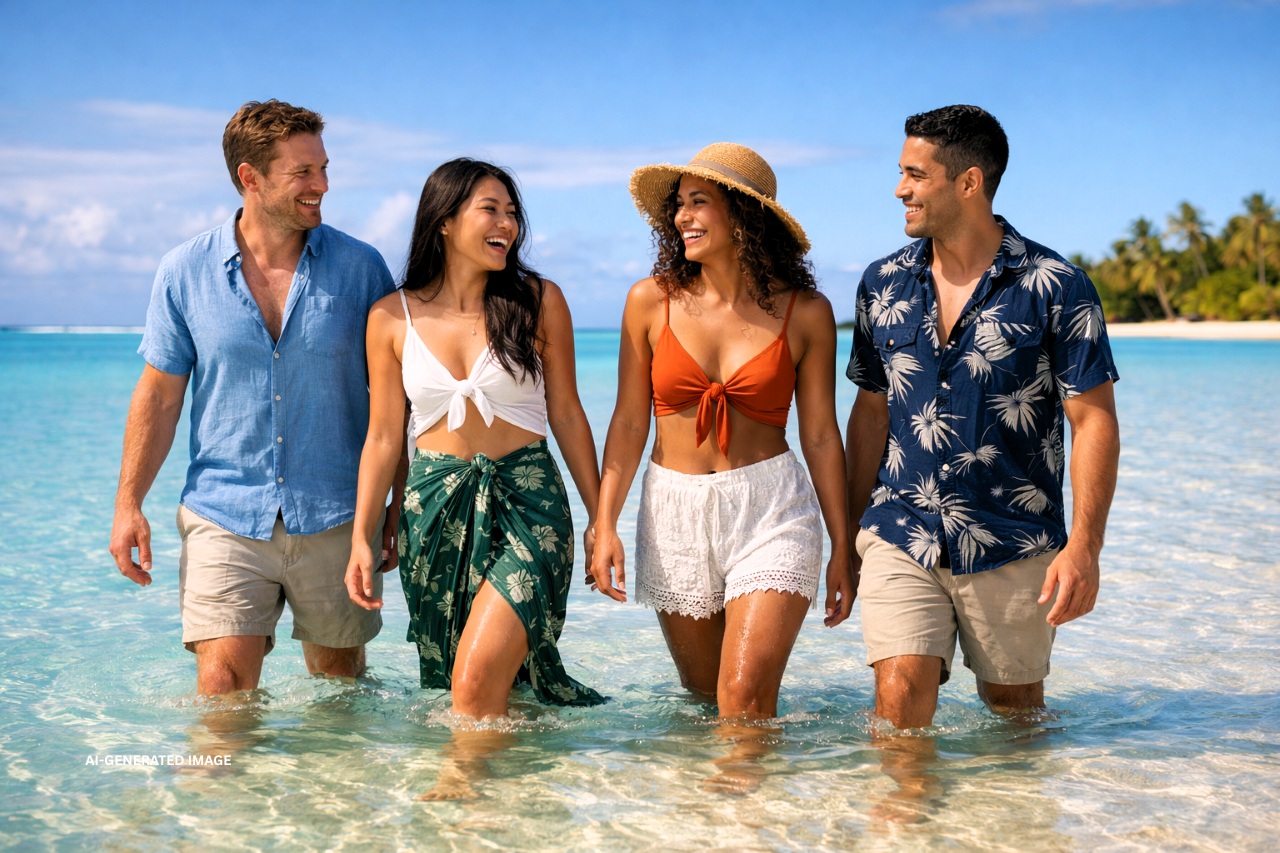
The lagoon is the island’s defining feature. Its shallow, clear waters create a mosaic of blue and green shades rarely seen elsewhere. Visitors can swim, kayak, or simply admire the scenery from the shore. The lagoon itself is considered one of the top attractions in the South Pacific.

One Foot Island
Located within the lagoon, One Foot Island is a small sandy islet known for its untouched beauty. It is typically visited as part of lagoon cruises and is valued for its tranquility, shallow waters, and picture-perfect surroundings.
Lagoon Cruises and Reef Stops
Guided lagoon cruises allow travelers to explore coral reefs, snorkel in clear waters, and visit remote motu (small islands). These cruises often include freshly prepared local meals and are among the most memorable Cook Islands attractions.

Outer Islands and Lesser-Known Attractions
Beyond the main tourist islands, the Cook Islands include several outer islands that appeal to travelers seeking quiet, nature, and cultural depth.
Atiu Island
Atiu is known for its rugged limestone landscape and underground cave systems. Guided cave tours take visitors through chambers filled with natural formations and freshwater pools. The island is also famous for its birdlife, including rare native species.
Mangaia
Mangaia is one of the oldest islands in the Pacific and offers a dramatic contrast to lagoon islands. Its raised coral cliffs, ancient settlements, and strong cultural traditions attract travelers interested in archaeology and traditional Polynesian life.
Mauke and Mitiaro
These islands receive very few visitors, making them ideal for slow travel. Life here centers around villages, fishing, farming, and community gatherings. Beaches are quiet, and cultural traditions remain strong.
Why Cook Islands Attractions Feel Different
What distinguishes Cook Islands attractions from those in many tropical destinations is their scale and intention. Development is limited, nature is protected, and cultural experiences are shared rather than commercialized.
Visitors do not simply see the Cook Islands—they experience them. Whether hiking through rainforest, snorkeling in a protected lagoon, or speaking with local artisans at a market, attractions here foster genuine connection.
This balance of nature, culture, and accessibility is why the Cook Islands continue to appeal to travelers who value authenticity as much as beauty.
Cook Islands Beaches
The Cook Islands beaches are among the most naturally beautiful in the South Pacific, known for their clarity, calm waters, and uncrowded shorelines. Rather than rows of high-rise resorts, these beaches are framed by palm trees, coral reefs, and open skies, creating a setting that feels intimate and unspoiled. Whether you are looking for easy snorkeling, family-friendly lagoons, or quiet stretches of sand, the Cook Islands offer beach experiences that feel genuinely restorative.
What Makes the Cook Islands Beaches Special
Several characteristics set Cook Islands beaches apart:
-
Protective lagoons that keep the waters calm and safe
-
Excellent visibility for swimming and snorkeling
-
Minimal crowds, even in popular areas
-
Easy access, with many beaches located directly off the coastal road
Because coral reefs sit close to shore, visitors can often step straight into clear water and see tropical fish within minutes. The relaxed atmosphere reflects the islands’ strong commitment to environmental preservation.
Best Beaches on Rarotonga
Rarotonga’s coastal road circles the island, making beach-hopping easy and convenient. Each section of the coastline offers a slightly different experience, from lively lagoon beaches to peaceful sunset-facing shores.
Muri Beach
Muri Beach is Rarotonga’s most famous shoreline, known for its wide lagoon and small offshore islets. The water is shallow and warm, making it ideal for swimming, kayaking, and paddleboarding. With cafés and resorts nearby, it has a lively yet relaxed atmosphere.
Titikaveka Beach
Located on the southern coast, Titikaveka Beach is especially popular for snorkeling. Coral patches and reef fish are found close to shore, and the water remains calm on most days. It is quieter than Muri Beach and well-suited for travelers seeking a more peaceful environment.
Aroa Beach
Aroa Beach faces west, making it one of the best places on the island to watch the sunset. The nearby marine reserve protects the coral reef, resulting in healthy marine life and excellent snorkeling conditions. The gentle slope of the shoreline makes it suitable for families and beginner snorkelers.
Best Beaches on Aitutaki
Aitutaki is celebrated for its lagoon, often ranked among the most beautiful in the world. The beaches here feel untouched, with bright white sand and remarkably clear water.
One Foot Island
One Foot Island is a small sandy islet located within Aitutaki Lagoon and is typically visited during lagoon cruises. Its soft white sand and shallow turquoise water create a peaceful, postcard-perfect setting that is ideal for swimming and relaxation.
Lagoon Sandbanks
Natural sandbanks appear throughout the lagoon depending on the tides. These temporary beaches provide unique swimming and wading opportunities and are perfect for photography and quiet moments surrounded by water.
Main Island Beaches
Beyond the lagoon excursions, Aitutaki’s main island features quiet beaches that are easy to access and rarely crowded. These beaches are ideal for long walks, gentle swimming, and uninterrupted views of the lagoon.
Hidden Beaches on the Outer Islands
On islands such as Atiu, Mangaia, Mauke, and Mitiaro, beaches are fewer in number but more rugged in character. Cliffs, coral rock formations, and open ocean views define the coastline, offering dramatic scenery and a strong sense of isolation.
These beaches are best suited for confident swimmers and travelers who enjoy exploring remote landscapes. While calm lagoons are less common, the reward is solitude and an authentic connection with nature.
Best Cook Islands Beaches by Travel Style
For Couples and Honeymooners
-
One Foot Island (Aitutaki)
-
West Coast sunset beaches on Rarotonga
-
Quiet lagoon sandbanks
For Families
-
Muri Beach (Rarotonga)
-
Aroa Beach (Rarotonga)
-
Sheltered lagoon beaches near marine reserves
For Snorkeling
-
Titikaveka Beach
-
Aroa Marine Reserve shoreline
-
Coral gardens within Aitutaki Lagoon
Caring for Cook Islands Beaches
Preserving the beauty of Cook Islands beaches is a shared responsibility. Visitors are encouraged to:
-
Use reef-safe sunscreen
-
Avoid touching or standing on coral
-
Follow local guidelines in marine reserve areas
-
Leave beaches cleaner than they were found
These simple actions help protect marine ecosystems and ensure that beaches remain pristine for future visitors.
Why Cook Islands Beaches Leave a Lasting Impression
What travelers often remember most about Cook Islands beaches is not just their appearance, but how they feel. The lack of crowds, the warmth of the water, and the gentle pace of island life create a sense of calm that is increasingly rare. Whether you spend an hour snorkeling or an afternoon doing nothing at all, these beaches invite you to slow down—and that is their greatest luxury.
Things to Do in the Cook Islands
The wide range of things to do in the Cook Islands reflects the islands’ relaxed rhythm of life—outdoor adventures that never feel rushed, cultural encounters that are genuine rather than staged, and plenty of opportunities to slow down. Whether you are drawn to the sea, the mountains, or the traditions of Polynesian heritage, experiences here are shaped by nature and guided by local knowledge.
Water-Based Experiences
Life in the Cook Islands revolves around the lagoon, and many of the most rewarding activities take place on or in the water.
Snorkeling from the Shore
Snorkeling is one of the simplest and most accessible activities in the Cook Islands. Coral reefs lie close to many beaches, allowing visitors to enter the water easily and observe vibrant marine life without boats or long swims. Calm conditions and excellent visibility make snorkeling suitable for beginners and families.
Scuba Diving
For deeper underwater exploration, scuba diving reveals coral walls, reef drop-offs, and a diverse range of marine species. Dive operators place strong emphasis on safety and environmental responsibility, and visibility is often outstanding. Compared to busier Pacific destinations, dive sites here are typically uncrowded and relaxed.
Lagoon Cruises
Lagoon cruises—particularly around Aitutaki—are a highlight of many Cook Islands trips. These cruises combine gentle sightseeing with swimming, snorkeling, and visits to small islands. Freshly prepared island meals are often included, making the experience both scenic and leisurely.
Kayaking and Paddleboarding
Kayaking and paddleboarding provide a peaceful way to explore lagoons at your own pace. Gliding across shallow waters allows you to see coral formations beneath the surface and stop at sandy patches for swimming or rest.
Land Adventures and Nature Activities
Beyond the beaches, the Cook Islands offer rewarding land-based experiences that showcase their volcanic landscapes and forested interiors.
Hiking and Scenic Walks
Hiking is a popular activity on Rarotonga, where trails pass through lush rainforest and into the island’s mountainous interior. Guided walks provide cultural context, explaining native plants, traditional land use, and local history. Viewpoints along the way reward hikers with sweeping island vistas.
Cave Exploration
On islands such as Atiu, guided cave tours lead visitors into limestone chambers shaped over thousands of years. Stalactites, freshwater pools, and echoing caverns offer a striking contrast to the bright lagoons above.
Cycling the Coastal Road
Cycling around Rarotonga’s coastal road is an easy and enjoyable way to explore the island. The route is mostly flat, with frequent access to beaches, cafés, and scenic viewpoints, making it ideal for a relaxed half-day outing.
Cultural Experiences
Engaging with local culture is one of the most meaningful things to do in the Cook Islands. Traditions remain an active part of daily life rather than being performed solely for visitors.
Dance, Music, and Storytelling
Traditional dance and drumming play a vital role in expressing history, genealogy, and island legends. Evening performances showcase powerful rhythms and expressive movements, offering insight into Polynesian identity and values.
Island Nights
Island nights combine cultural performances with shared meals. Guests enjoy local cuisine while watching storytelling unfold through dance and music, creating a welcoming and social atmosphere.
Village Encounters
Village visits and community events provide a closer look at everyday island life. Travelers may learn about traditional crafts, food preparation, and local customs, often guided by families who are proud to share their heritage.
Food and Culinary Experiences
Food offers a direct connection to island life, and culinary experiences in the Cook Islands are simple, fresh, and locally inspired.
Traditional Flavors
Local cuisine highlights seafood, coconut, taro, breadfruit, and tropical fruits. One of the most well-known dishes is ika mata, raw fish marinated in citrus juice and coconut cream, reflecting the islands’ close relationship with the sea.
Markets and Casual Eateries
Local markets and small cafés are ideal places to sample authentic flavors at reasonable prices. These informal settings also provide opportunities to interact with residents and observe daily routines.
Dining by the Water
Many restaurants are located near the shoreline, allowing diners to enjoy lagoon views and sunsets. The focus is on relaxed settings and fresh ingredients rather than elaborate presentation.
Wellness, Rest, and Slow Living
Relaxation is not an afterthought in the Cook Islands—it is a way of life. Spa treatments often feature local ingredients such as coconut oil, while yoga sessions, lagoon swims, and quiet beach walks encourage rest and mindfulness. Many visitors find that slowing down becomes one of the most rewarding aspects of their trip.
Why Experiences in the Cook Islands Feel Unique
What distinguishes the things to do in the Cook Islands is balance. Activities are immersive without being overwhelming, cultural without feeling contrived, and adventurous without being exhausting. Travelers can snorkel in the morning, hike in the afternoon, and enjoy music under the stars in the evening—all without feeling rushed.
This harmony between land, sea, and culture is what leaves visitors feeling refreshed rather than tired.
Cook Islands Vacation Guide
A Cook Islands vacation is defined by choice and balance. You can shape your trip around barefoot luxury, family-friendly ease, or simple island living—often within the same journey. Distances are short, logistics are straightforward, and hospitality feels personal. This guide explains the main vacation styles, where to stay, and what to budget, helping you design a trip that suits your pace and priorities.
Vacation Styles in the Cook Islands
Honeymoon and Romantic Escapes
Romance in the Cook Islands is quiet and unforced. Couples are drawn to lagoon-facing bungalows, sunset swims, and intimate dinners by the sea. Many travelers plan a split stay—spending time on Rarotonga for variety and cultural experiences, followed by Aitutaki for complete lagoon serenity and seclusion.
Luxury Vacations
Luxury travel in the Cook Islands focuses on space, privacy, and natural surroundings. Beachfront villas, attentive service, and carefully curated experiences—such as private lagoon excursions and spa treatments using local botanicals—define the high-end experience. The emphasis is on comfort and atmosphere rather than excess.
Family Holidays
Families value the Cook Islands for their calm lagoons, welcoming communities, and short travel distances. Shallow waters are ideal for children, while activities such as cycling, snorkeling from the beach, and visiting local markets keep days enjoyable without feeling demanding.
Budget and Independent Travel
Travelers on a budget can still enjoy the Cook Islands by choosing guesthouses, self-catering accommodations, and local cafés. Many of the islands’ highlights—beaches, snorkeling spots, and scenic walks—are free, allowing visitors to keep daily expenses under control with thoughtful planning.
Where to Stay in the Cook Islands
Resorts
Resorts are primarily located on Rarotonga and Aitutaki and offer lagoon access, on-site dining, and easy arrangements for tours and activities. They are well-suited to travelers who value convenience and a seamless vacation experience.
Boutique Hotels
Boutique hotels provide a more personal atmosphere, often featuring fewer rooms and a distinctive design. These properties combine comfort with character and are popular with couples and travelers seeking a quieter stay.
Villas and Self-Catering Accommodation
Villas offer privacy, space, and flexibility, making them ideal for families or longer stays. Kitchens help reduce dining costs, and beachfront locations provide easy access to the lagoon.
Guesthouses
Guesthouses are usually family-run and represent the most economical accommodation option. Hosts often share local knowledge and assist with transport or activity bookings, adding a personal and welcoming touch to the stay.
What a Cook Islands Vacation Costs
Costs vary depending on the season, island, and travel style, but the overall structure is predictable.
Accommodation
-
Luxury resorts: Higher nightly rates, particularly during peak travel months
-
Mid-range hotels and villas: Good value with comfortable amenities
-
Guesthouses: Budget-friendly options with essential facilities
Food and Dining
Local cafés, bakeries, and markets are affordable, while resort restaurants and waterfront dining venues are more expensive. A combination of local dining and occasional fine meals helps balance costs.
Transport
On Rarotonga, buses, bicycles, and scooter rentals are inexpensive and convenient. Inter-island flights—such as those to Aitutaki—add to overall costs but provide access to some of the Cook Islands’ most iconic scenery.
Activities
Many activities, including swimming, snorkeling, and hiking, are free. Paid experiences such as lagoon cruises, diving, and cultural performances are popular highlights and often worth the additional expense.
Planning a Balanced Cook Islands Vacation
A well-rounded Cook Islands vacation blends structure with flexibility:
-
Base yourself on Rarotonga for variety and cultural experiences
-
Add Aitutaki for unforgettable lagoon scenery
-
Reserve one or two key experiences in advance
-
Leave time for spontaneous beach visits and relaxation
This approach keeps the trip enjoyable and unhurried while ensuring you experience the islands’ highlights.
Why the Cook Islands Suit So Many Travelers
What makes a Cook Islands vacation especially appealing is its adaptability. Travelers can remain active or take things slowly and still feel satisfied. The islands reward curiosity without demanding a packed schedule, offering a rare combination of comfort, authenticity, and calm.
Cook Islands Itinerary
Planning a Cook Islands itinerary is about creating a relaxed rhythm that balances lagoon time, light exploration, and cultural experiences without overfilling your schedule. Travel distances are short, activities are easy to arrange, and unstructured time is an essential part of the journey. The itineraries below are designed to be practical, flexible, and suitable for different trip lengths.
How to Plan Your Cook Islands Route
Most trips begin on Rarotonga, the main arrival point with the widest selection of beaches, restaurants, and activities. Adding Aitutaki enhances the journey with one of the most beautiful lagoons in the world. Travelers with additional time may also include an outer island, such as Atiu, for nature-focused and cultural experiences.
General guidance
-
5 days: A relaxed introduction focused on Rarotonga
-
7 days: An ideal balance combining Rarotonga and Aitutaki
-
10 days: A slow, immersive experience with multiple islands
5-Day Cook Islands Itinerary (Rarotonga Essentials)
This itinerary is ideal for first-time visitors or shorter holidays that focus on variety without island-hopping.
Day 1 – Arrival and Lagoon Time
Arrive on Rarotonga, check in to your accommodation, and enjoy a gentle swim in a nearby lagoon. In the evening, unwind with a beachfront meal to ease into island time.
Day 2 – Beaches and Water Activities
Spend the morning at Muri Beach kayaking or paddleboarding. In the afternoon, snorkel at a sheltered lagoon spot, followed by sunset views along the west coast.
Day 3 – Interior Exploration and Scenic Views
Join a guided walk along the Cross-Island Track to experience rainforest scenery and elevated viewpoints. Afterward, relax with a quiet beach visit or a spa session.
Day 4 – Culture and Local Life
Visit Punanga Nui Market if it coincides with your stay, explore cafés and shops in Avarua, and attend an evening cultural performance or island night.
Day 5 – Relaxation and Departure
Enjoy a final swim, do some light souvenir shopping, and prepare for departure.
7-Day Cook Islands Itinerary (Rarotonga and Aitutaki)
This itinerary is well-suited to couples and honeymooners seeking both cultural variety and iconic lagoon scenery.
Days 1–3 – Rarotonga
-
Day 1: Arrival, lagoon swim, and sunset dinner
-
Day 2: Muri Beach activities and cycling along the coastal road
-
Day 3: Cross-Island walk followed by an evening cultural experience
Day 4 – Travel to Aitutaki
Take a short scenic flight to Aitutaki, settle into your accommodation, and enjoy a peaceful walk along the beach.
Day 5 – Aitutaki Lagoon Cruise
Spend the day exploring the lagoon, snorkeling at reef sites, visiting small islets, and relaxing on One Foot Island while enjoying a leisurely island-style lunch.
Day 6 – Free Lagoon Day
Use this day to kayak, snorkel from shore, or simply relax. Optional activities include a spa treatment or a private sunset dinner.
Day 7 – Return and Departure
Enjoy a morning swim, fly back to Rarotonga, and continue with your onward journey.
10-Day Cook Islands Itinerary (Slow and Immersive)
This itinerary is ideal for travelers who prefer a slower pace and deeper engagement with island life.
Days 1–4 – Rarotonga (Unhurried Exploration)
Alternate between beach time and light activities such as snorkeling, visiting local markets, joining a guided hike, and enjoying relaxed evenings.
Days 5–7 – Aitutaki (Lagoon Focus)
Experience the lagoon through a cruise, snorkeling sessions, and visits to sandbanks. Set aside one full day with no scheduled activities to fully appreciate the surroundings.
Days 8–9 – Optional Outer Island Stay (Atiu)
Travel to Atiu for cave exploration, birdwatching, and village encounters. This portion of the itinerary offers a quieter, more traditional island experience.
Day 10 – Return and Departure
Fly back to Rarotonga, enjoy final shopping or a beach visit, and depart the Cook Islands.
Tips to Customize Your Cook Islands Itinerary
-
Book key experiences early, especially lagoon cruises and popular accommodations during peak season
-
Travel light, as inter-island flights have luggage restrictions
-
Leave space in your schedule for spontaneous swims and sunsets
-
Choose islands based on your interests: Rarotonga for variety, Aitutaki for lagoon beauty, and outer islands for cultural depth
Why This Itinerary Approach Works
A well-planned Cook Islands itinerary prioritizes balance. You experience the highlights without rushing, enjoy meaningful cultural moments, and still have ample time to relax. This approach reflects the natural pace of the islands and allows travelers to leave feeling refreshed rather than hurried.
Practical Travel Tips
Good planning turns a Cook Islands trip into a smooth, relaxed experience. While the islands are easy to navigate, understanding flights, transport, money matters, and local customs helps you travel with confidence—especially if this is your first time visiting a South Pacific destination.
How to Get to the Cook Islands
Most international travelers arrive via Rarotonga, which hosts the country’s main international airport and serves as the gateway to the islands.
International Flight Options
-
Regular direct flights operate from New Zealand.
-
Frequent connections are available from Australia.
-
Limited direct services operate from Los Angeles (USA), making the Cook Islands accessible for American travelers.
Most visitors from Europe or Asia transit through Auckland. Because of the international date line, travelers often arrive a day earlier than expected, which can feel like gaining an extra vacation day.
Entry Requirements
-
Visa-free entry is available for many nationalities for short stays.
-
Passport validity is typically recommended to be at least six months.
-
Proof of onward or return travel may be required.
Always confirm entry rules before departure, as regulations can change.
Getting Around the Cook Islands
Transportation in the Cook Islands is simple and stress-free, especially on the main islands.
Transport on Rarotonga
-
Public buses run clockwise and anticlockwise around the island.
-
Scooters and small cars are easy to rent.
-
The island is compact, making navigation straightforward.
Many visitors enjoy renting scooters; however, a local license (issued on the island) is required and easy to obtain.
Inter-Island Travel
Flights connect Rarotonga with islands such as Aitutaki and Atiu. These short flights save time and provide scenic aerial views, making island-hopping convenient.
Safety and General Well-Being
The Cook Islands are widely regarded as one of the safest destinations in the Pacific. Violent crime is extremely rare, and local communities are welcoming and respectful.
Basic precautions still apply:
-
Keep valuables secure.
-
Swim within lagoons where currents are calm.
-
Follow local advice regarding weather and tides.
Solo travelers, couples, and families generally feel comfortable exploring both during the day and in the evening.
Health Care and Travel Insurance
Healthcare services are available on Rarotonga for routine needs, while the outer islands offer more limited facilities. Serious medical situations may require evacuation to New Zealand.
For this reason, comprehensive travel insurance is essential, ideally covering:
-
Medical treatment
-
Emergency evacuation
-
Trip interruptions or delays
Travelers should also bring necessary medications, as pharmacy supplies can be limited outside Rarotonga.
Money, Payments, and Daily Costs
-
Currency: New Zealand Dollar (NZD)
-
ATMs: Available on Rarotonga and limited on Aitutaki
-
Credit cards: Accepted at most hotels, resorts, and larger restaurants
-
Cash: Useful for markets, small cafés, and outer islands
While the Cook Islands are not a low-cost destination, travelers can manage expenses by combining local dining with occasional resort meals and focusing on free natural attractions.
Internet Access and Mobile Connectivity
Internet access in the Cook Islands is reliable but slower than in major cities.
-
Wi-Fi is available in most hotels and cafés.
-
Local SIM cards can be purchased for mobile data.
-
Connectivity on outer islands may be limited.
Many travelers appreciate the slower digital pace, which encourages relaxation and presence.
Cultural Etiquette and Local Customs
Respect for local traditions enhances any Cook Islands experience.
-
Dress modestly in villages and when visiting churches.
-
Ask permission before photographing people.
-
Sundays are culturally important and generally quieter.
A polite and patient attitude is always appreciated and often rewarded with warm hospitality.
What to Pack for the Cook Islands
Packing light is ideal, especially if visiting multiple islands.
Essentials include:
-
Lightweight, breathable clothing
-
Reef-safe sunscreen
-
Comfortable walking or hiking shoes
-
Swimwear and optional snorkel gear
-
A light rain jacket during wetter months
Most necessities can be purchased on Rarotonga, but options are limited on smaller islands.
Conclusion
The Cook Islands offer a rare combination of natural beauty, cultural depth, and genuine calm. Instead of crowds and overdevelopment, travelers find open space, clear lagoons, and a lifestyle shaped by tradition and respect for nature.
Whether you are planning a romantic escape, a family holiday, or a slow-travel adventure, a Cook Islands journey delivers moments that feel personal and unhurried. With thoughtful tourism, welcoming communities, and unforgettable scenery, the Cook Islands are not just a destination—they are an experience that lingers long after the trip ends.
FAQs
Where are the Cook Islands located?
The Cook Islands are located in the South Pacific Ocean, northeast of New Zealand, between French Polynesia and Tonga.
Are the Cook Islands expensive to visit?
Costs are moderate to high, especially for accommodation, but budget travelers can manage expenses by choosing guesthouses and local dining options.
Do I need a visa for the Cook Islands?
Most visitors do not need a visa for short stays, but passport validity and onward travel requirements apply.
How many days are ideal for a Cook Islands trip?
Seven days is ideal for a balanced visit, while ten days allows for a slower, multi-island experience.
Are the Cook Islands good for honeymoons?
Yes, they are one of the most romantic destinations in the South Pacific, known for privacy, tranquil lagoons, and intimate accommodations.
Is it safe to travel in the Cook Islands?
Yes, the Cook Islands are very safe, with low crime rates and a welcoming local culture.