
Introduction
Bali travel continues to attract millions of visitors each year, making it one of the most searched and admired travel topics in the world. Often called the Island of the Gods, Bali is far more than a tropical getaway. It is a destination where spirituality shapes daily life, nature surrounds every journey, and tradition blends seamlessly with modern comforts.
From ancient temples rising above dramatic coastlines to emerald rice terraces, volcanic mountains, and vibrant beach towns, Bali offers experiences that appeal to travelers of all ages and interests. Whether you are planning your first international trip, a romantic escape, or a culturally rich vacation, Bali travel promises both discovery and relaxation.
This multi-part guide begins by helping you understand Bali as a destination—its location, culture, and global appeal—before moving deeper into travel planning, attractions, and experiences in later sections.
Understanding Bali as a Travel Destination
Before exploring itineraries and sightseeing options, it is important to understand what makes Bali truly special. Bali travel is not just about visiting places; it is about experiencing a lifestyle deeply rooted in spirituality, balance, and respect for nature.
Unlike many popular island destinations, Bali offers cultural depth alongside natural beauty. Visitors quickly notice that daily life revolves around rituals, ceremonies, and a strong sense of community. This cultural richness is one of the main reasons Bali travel feels meaningful rather than superficial.
Where Is Bali Located?
Bali is an Indonesian island in Southeast Asia, located between Java and Lombok. Although Bali is relatively small in size, it offers extraordinary geographical diversity.
Southern Bali is known for its beaches, resorts, and nightlife, while lush hills, rice fields, and traditional villages dominate central Bali. Northern and eastern regions feature volcanic landscapes, waterfalls, and quieter coastal areas. This compact diversity allows travelers to experience multiple environments within a single Bali travel journey.
Bali is served by Ngurah Rai International Airport (Denpasar), which connects the island to major global hubs. Its strategic location and excellent connectivity make Bali convenient for visitors from the United States, Australia, Europe, and across Asia.
Why Bali Is One of the World’s Most Popular Travel Destinations
Bali’s global popularity is no coincidence. The island offers an unmatched combination of affordability, cultural depth, scenic beauty, and a well-developed tourism infrastructure.
One of the biggest advantages of Bali travel is its flexibility. Travelers can enjoy luxury experiences such as private pool villas and fine dining at a fraction of the cost found in many other tropical destinations. At the same time, budget travelers can explore Bali comfortably through guesthouses, local eateries, and affordable transportation.
Cultural authenticity is another reason Bali stands out. Religious ceremonies, temple festivals, and traditional arts are part of everyday life rather than staged performances. Visitors often feel welcomed into a living culture, which makes Bali travel emotionally rewarding.
Nature also plays a defining role. Beaches, jungles, volcanoes, and coral reefs are easily accessible, allowing travelers to combine relaxation with adventure. In addition, Bali’s reputation as a wellness and digital nomad hub further strengthens its appeal as a lifestyle destination.
Culture, Religion, and Traditions of Bali
Culture is the heartbeat of Bali travel. Unlike most of Indonesia, Bali follows Balinese Hinduism, a unique spiritual system influenced by Hindu, Buddhist, and indigenous beliefs.
Religion shapes daily routines across the island. Small offerings made from flowers, rice, and incense—known as Canang Sari—are placed outside homes, shops, and temples each morning. These offerings symbolize gratitude and harmony between humans, nature, and the spiritual world.
Temples are an essential part of Balinese identity. From small family shrines to grand temple complexes like Besakih, spirituality is woven into the physical and social landscape of the island. Festivals such as Nyepi (the Day of Silence) and Galungan reflect Bali’s spiritual rhythm and offer visitors rare cultural insight.
The Balinese people are widely admired for their hospitality, humility, and respect for tradition. Travelers who approach Bali travel with cultural sensitivity often experience deeper connections and more meaningful interactions.
Is Bali Worth Visiting for First-Time Travelers?
Bali is one of the best destinations in the world for first-time international travelers. The island is highly developed for tourism while still maintaining a strong sense of authenticity.
English is widely spoken in tourist areas, transportation services are easy to arrange, and accommodation options are available for every budget. These factors make Bali travel simple and stress-free, even for those with limited travel experience.
Safety is another strong advantage. Bali is generally safe for solo travelers, couples, and families. While basic travel awareness is always recommended, serious safety concerns are rare. The friendly and helpful nature of locals further enhances comfort and confidence for newcomers.
First-time visitors also appreciate Bali’s variety. A single trip can include beach relaxation, cultural exploration, nature adventures, and wellness experiences, making Bali travel ideal for travelers seeking a well-rounded journey.
Climate and General Weather Conditions in Bali
Bali has a tropical climate, meaning warm temperatures throughout the year. Average daytime temperatures typically range between 26°C and 30°C, making the island suitable for travel in all seasons.
Rather than temperature changes, Bali’s weather is defined by rainfall patterns. Understanding these patterns helps travelers choose the best time for their Bali travel plans, depending on whether they prioritize sunshine, budget, or fewer crowds.
Even during the rainy months, showers are often brief and followed by clear skies. With proper planning, most activities can still be enjoyed comfortably.
What to Expect from Bali Travel Overall
Bali travel offers a balance that few destinations can match. It combines modern comforts with ancient traditions, vibrant tourist centers with peaceful countryside, and adventure with relaxation.
Travelers can expect:
-
A strong cultural identity
-
Warm and welcoming local communities
-
Diverse landscapes within short distances
-
High-quality travel experiences at reasonable costs
Together, these elements create a destination that appeals equally to first-time visitors and seasoned travelers.
Choosing the right season plays a crucial role in shaping your overall Bali travel experience. While Bali welcomes visitors throughout the year, weather conditions, crowd levels, prices, and activity options vary by season. Understanding these differences helps travelers plan more effectively and enjoy the island at its best.
In this section, we explore the best time to visit Bali in detail, including seasonal patterns, monthly highlights, and recommendations based on travel goals such as beaches, honeymoons, and budget trips.
Best Time to Visit Bali – Seasonal Overview
Bali has a tropical climate, which means warm temperatures remain consistent throughout the year. Instead of spring, summer, autumn, or winter, Bali experiences two main seasons:
-
Dry Season: April to October
-
Wet Season: November to March
Average temperatures generally range between 26°C and 30°C, making Bali travel comfortable in every month. The primary differences between seasons relate to rainfall, humidity, and crowd levels rather than temperature.
Dry Season in Bali (April to October)
The dry season is widely regarded as the best period for Bali travel, particularly for outdoor activities and sightseeing. During these months, rainfall is minimal, humidity is lower, and skies are mostly clear.
This season is ideal for exploring beaches, temples, rice terraces, and volcanic landscapes. Water clarity improves significantly, making it an excellent time for snorkeling, diving, and surfing.
Why the Dry Season Is Popular
-
Consistently sunny and pleasant weather
-
Ideal conditions for beaches and outdoor adventures
-
Easier travel between destinations
However, this popularity also leads to higher travel costs. Accommodation prices increase, and popular attractions can become crowded, especially during peak holiday months.
Peak Tourist Season in Bali
July and August
July and August represent the busiest months for Bali travel. Visitors from Europe, Australia, and the United States arrive in large numbers due to summer vacations.
Advantages of Visiting During Peak Season
-
Excellent weather conditions
-
Full availability of tours and activities
-
Lively and festive atmosphere
Drawbacks of Peak Season
-
Higher prices for flights and accommodation
-
Crowded beaches and tourist attractions
-
Need for bookings
Despite these challenges, many travelers prefer this period because Bali appears vibrant and lively during peak season.
Shoulder Season in Bali (April–June & September–October)
The shoulder season is often considered the best overall time for Bali travel. These months offer an excellent balance between favorable weather and manageable crowd levels.
Rainfall remains low, temperatures are comfortable, and tourist numbers are significantly lower than during peak season. Hotels frequently offer better deals, making this period attractive for travelers seeking value without compromising on experience.
Why Shoulder Season Is Ideal
-
Pleasant and stable weather
-
Fewer tourists
-
More affordable accommodation
-
Relaxed and unhurried travel pace
For many visitors, the shoulder season provides the most enjoyable Bali travel experience.
Wet Season in Bali (November to March)
The wet season brings higher humidity and more frequent rainfall, but it does not mean constant rain. Showers are often short and intense, typically occurring in the afternoon or evening.
During this period, Bali becomes quieter and greener. Landscapes turn lush, waterfalls flow more strongly, and rice fields appear at their most vibrant.
What Bali Travel Is Like During the Wet Season
-
Fewer tourists and quieter attractions
-
Lower travel and accommodation costs
-
Rich green scenery and dramatic landscapes
Beach conditions may be less predictable due to stronger waves, but cultural activities, spa visits, and wellness retreats continue without disruption.
Is the Wet Season a Good Time for Bali Travel?
For certain travelers, the wet season can be an excellent choice.
Advantages
-
Cheaper flights and hotel rates
-
Less crowded tourist areas
-
Ideal conditions for wellness, spa, and cultural travel
Disadvantages
-
Occasional heavy rain
-
Reduced underwater visibility for diving
-
Some outdoor activities may be limited
If your Bali travel plans focus on relaxation, cultural exploration, or budget travel, the wet season can still be highly rewarding.
Best Time to Visit Bali for Beaches
Beach lovers often plan Bali travel around sunshine and sea conditions.
Best Months for Beach Activities
-
May to September
During these months, the sea is calmer, the skies are clearer, and conditions are ideal for swimming, surfing, and sunbathing. Beaches such as Nusa Dua, Jimbaran, Seminyak, and Sanur are at their best during this period.
Best Time to Visit Bali for Honeymoon and Couples
Bali is one of the world’s most popular honeymoon destinations, known for private villas, scenic sunsets, and romantic settings.
Best Months for Couples
-
April, May, and June
-
September and October
These months provide excellent weather, fewer crowds, and better availability of luxury accommodations, making them ideal for romantic Bali travel.
Best Time to Visit Bali on a Budget
Travelers looking to reduce costs should consider visiting Bali during the off-peak months.
Cheapest Months for Bali Travel
-
January to March
-
November (excluding major holiday periods)
During these months, hotel prices drop noticeably, and flight deals are easier to find. Although rainfall is more frequent, careful planning still allows for a comfortable and enjoyable trip.
Best Time to Visit Bali for Festivals and Culture
Bali’s cultural calendar is filled with religious ceremonies and festivals that enrich the travel experience.
Major Cultural Events
-
Nyepi (Day of Silence): Usually in March
-
Galungan and Kuningan: Celebrated multiple times each year
-
Bali Arts Festival: Held between June and July
Visiting during festivals offers deeper insight into Balinese traditions, although travelers should be mindful of local customs and temporary restrictions.
Month-by-Month Bali Travel Summary
-
January–February: Rainy season, budget-friendly, lush landscapes
-
March: Transitional weather, important cultural events
-
April–June: Excellent weather with fewer crowds
-
July–August: Peak season, busy but vibrant
-
September–October: Ideal balance of weather and pricing
-
November–December: Start of rainy season, holiday crowds in late December
One of the strongest reasons travelers fall in love with Bali is the island’s remarkable variety of tourist attractions. Bali is not only about beaches; it is a destination shaped by centuries of spirituality, art, and a deep connection to nature. Each region of the island offers something distinct, from sacred temples and volcanic landscapes to cultural towns and dramatic coastal scenery.
This section explores the most important Bali tourist places, helping travelers understand where to go and why each destination plays a vital role in the Bali travel experience.
Bali Tourist Places – A Complete Overview
Bali’s attractions can broadly be grouped into three main categories:
-
Cultural and spiritual landmarks
-
Natural and scenic destinations
-
Coastal and island attractions
What makes Bali travel unique is the short distance between these places. In a single day, travelers can move from temples and rice fields to beaches and cliffs, experiencing multiple sides of the island without long or exhausting journeys.
Ubud – The Cultural and Spiritual Center of Bali
Ubud is often described as the heart of Bali travel. Located in the central highlands, it is surrounded by jungle-covered valleys, rivers, and rice fields. Unlike Bali’s coastal towns, Ubud focuses on culture, wellness, and traditional life.

The town is known for its art galleries, handicraft markets, yoga studios, and spiritual retreats. Travelers who stay in Ubud often experience a slower pace of life and a deeper connection to Balinese culture.
Key Places to Visit in Ubud
-
Sacred Monkey Forest Sanctuary: A protected forest featuring ancient temples and free-roaming monkeys
-
Ubud Palace: A royal residence showcasing traditional Balinese architecture
-
Ubud Art Market: A lively market offering handmade crafts and artwork
-
Campuhan Ridge Walk: A scenic walking trail with panoramic countryside views
For travelers interested in art, spirituality, and wellness, Ubud is an essential stop on any Bali travel itinerary.
Tanah Lot Temple – Bali’s Most Iconic Coastal Landmark
Tanah Lot Temple is one of Bali’s most recognizable sights. Built on a rocky outcrop surrounded by the ocean, the temple creates a striking silhouette, particularly during sunset.

Dedicated to sea deities, Tanah Lot holds great religious significance for the Balinese people. While visitors cannot enter the main sanctuary, they can explore the surrounding area and enjoy the dramatic coastal scenery.
Why Tanah Lot Is Worth Visiting
-
Unique oceanfront setting
-
Spectacular sunset views
-
Strong cultural and spiritual importance
Tanah Lot is a highlight for travelers who wish to combine sightseeing with cultural appreciation during their Bali travel journey.
Uluwatu Temple – Spiritual Beauty Above the Ocean
Uluwatu Temple is located on the southwestern tip of Bali, perched high on a cliff overlooking the Indian Ocean. The location alone makes it one of the most breathtaking temple sites on the island.

In addition to its spiritual importance, Uluwatu is famous for its evening Kecak dance performances, which take place in an open-air amphitheater with the ocean as a dramatic backdrop.
What Makes Uluwatu Special
-
Dramatic clifftop views
-
Cultural performances at sunset
-
Sacred and peaceful atmosphere
Visitors should remain cautious around the monkeys that inhabit the area, as they are known to snatch belongings. Despite this, Uluwatu Temple remains a must-visit destination for Bali travel enthusiasts.
Tegallalang Rice Terraces – Bali’s Green Masterpiece
The Tegallalang Rice Terraces, located near Ubud, are among the most photographed landscapes in Bali. These terraces represent the island’s traditional subak irrigation system, which reflects harmony between humans, nature, and spirituality.
Walking through the rice fields offers insight into Bali’s agricultural heritage. Early morning visits are recommended to enjoy cooler temperatures and avoid large crowds.
Why Tegallalang Is a Must-See
-
Scenic, layered rice fields
-
Cultural significance of traditional farming
-
Excellent opportunities for photography
For nature lovers and photographers, Tegallalang adds a peaceful and visually stunning dimension to Bali travel.
Mount Batur – A Volcanic Adventure
Mount Batur is an active volcano located in northeastern Bali and is one of the island’s most popular adventure destinations. Many travelers choose to hike to the summit before dawn to witness a spectacular sunrise.

The trek is manageable for most visitors with basic fitness levels and rewards hikers with sweeping views of Lake Batur and the surrounding volcanic landscape.
Why Mount Batur Is Popular
-
Memorable sunrise views
-
Unique volcanic terrain
-
Adventure-focused experience
For those seeking excitement and natural beauty, Mount Batur adds an adventurous element to Bali travel plans.
Nusa Penida – Untamed Island Beauty
Nusa Penida is a rugged island located southeast of Bali, known for its dramatic cliffs, turquoise waters, and raw natural scenery. It has quickly become one of the most photographed destinations associated with Bali travel.

Top Attractions in Nusa Penida
-
Kelingking Beach: Famous for its dinosaur-shaped cliff formation
-
Angel’s Billabong: A natural rock pool overlooking the ocean
-
Broken Beach: A circular cliff formation with panoramic sea views
Nusa Penida is ideal for travelers who enjoy scenic landscapes and adventure-oriented exploration.
Nusa Lembongan and Nusa Ceningan – Peaceful Island Escapes
Nusa Lembongan and Nusa Ceningan are smaller islands near Bali that offer a slower and more relaxed pace of travel. Known for their clear waters and coral reefs, these islands are popular for snorkeling, diving, and coastal relaxation.
Nusa Lembongan

Nusa Ceningan

Why Visit These Islands
-
Calm and laid-back island atmosphere
-
Excellent marine life and snorkeling conditions
-
Scenic coastal viewpoints
Island hopping to Nusa Lembongan and Nusa Ceningan adds tranquility and variety to a Bali travel itinerary.
Besakih Temple – The Mother Temple of Bali
Besakih Temple is the largest and most important Hindu temple complex in Bali. Located on the slopes of Mount Agung, it holds immense spiritual and cultural significance.

The complex consists of multiple temples arranged across terraced levels, each serving different religious purposes. Visitors are required to dress modestly and follow local customs.
Why Besakih Is Important
-
Spiritual center of Balinese Hinduism
-
Stunning mountain surroundings
-
Deep historical and cultural importance
Visiting Besakih Temple offers travelers a deeper understanding of Bali’s religious heritage.
Tirta Empul – The Sacred Water Temple
Tirta Empul is renowned for its holy spring, where purification rituals have been practiced for centuries. Visitors may observe or participate in the ritual, which involves bathing in a series of sacred water fountains.
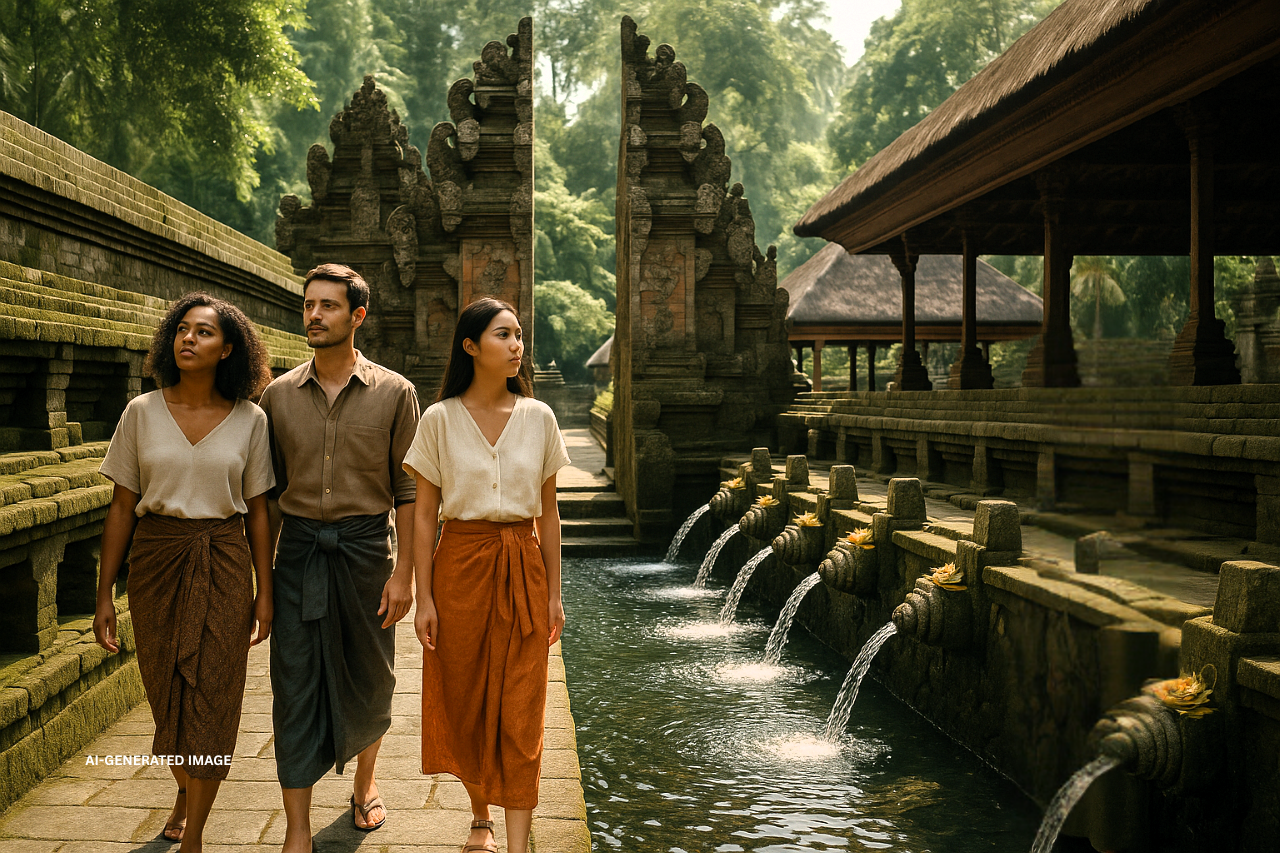
This temple is especially popular among travelers seeking spiritual and cultural experiences during their Bali travel.
Why Tirta Empul Is Unique
-
Traditional purification ceremonies
-
Serene and sacred temple environment
-
Meaningful cultural immersion
Beaches are one of the strongest attractions of Bali travel, and the island offers far more variety than many travelers expect. Bali’s coastline stretches across different regions, each with its own character—lively surf beaches, peaceful family shores, dramatic cliff-backed coves, and untouched island coastlines. This diversity allows visitors to choose beaches that perfectly match their travel style.
In this section, we explore the best beaches in Bali, explaining what makes each one special and how it fits into a well-planned Bali travel experience.
Best Beaches in Bali – An Overview
Bali’s beaches are shaped by geography and ocean currents, which means no two coastlines feel the same. Broadly, Bali’s beaches can be categorized as follows:
-
South Bali beaches: Energetic, social, and tourist-friendly
-
East Bali beaches: Calm, traditional, and scenic
-
North Bali beaches: Quiet, natural, and less crowded
-
Island beaches: Dramatic landscapes and crystal-clear waters
This range ensures that Bali travel appeals equally to surfers, families, honeymooners, photographers, and slow travelers.
Kuta Beach – The Birthplace of Bali’s Beach Tourism
Kuta Beach is one of the most famous beaches associated with Bali travel. Located close to the international airport, it has long served as a gateway for visitors arriving on the island.
The beach is known for its wide sandy shoreline, rolling waves, and lively atmosphere. It is especially popular among beginner surfers, as the waves here are gentle and consistent. The surrounding area is filled with shops, restaurants, and nightlife venues.
Why Kuta Beach Is Popular
-
Easy access from the airport
-
Ideal conditions for beginner surfing
-
Vibrant social and nightlife scene
-
Beautiful sunset views
While it can feel busy at times, Kuta Beach remains an iconic part of the Bali travel experience.
Seminyak Beach – Style, Comfort, and Sunsets
Seminyak Beach offers a more refined coastal experience compared to Kuta. It is known for its upscale resorts, stylish beach clubs, and high-end dining options.
The beach itself is spacious and clean, making it ideal for long walks and sunset viewing. Seminyak is particularly popular with couples and travelers seeking comfort without isolation.
Why Seminyak Beach Stands Out
-
Trendy beach clubs and lounges
-
Romantic sunset atmosphere
-
Proximity to luxury hotels and villas
-
Relaxed yet sophisticated vibe
For travelers looking to blend leisure with style, Seminyak Beach is a key highlight of Bali travel.
Nusa Dua Beach – Calm Waters and Resort Living
Nusa Dua Beach is known for its well-maintained environment and peaceful surroundings. The area is home to many of Bali’s top resorts and is especially favored by families and honeymooners.
The waters here are calmer than those along the west coast, making swimming safer and more enjoyable. The beaches are clean, organized, and less chaotic than those in busier areas.
Why Nusa Dua Is Ideal
-
Gentle waves and shallow waters
-
Family-friendly atmosphere
-
High-quality resort facilities
-
Clean and quiet surroundings
Nusa Dua Beach is perfect for travelers seeking relaxation as part of their Bali travel journey.
Jimbaran Beach – Sunset Dining and Coastal Calm
Jimbaran Beach is famous for its relaxed ambiance and beachfront seafood restaurants. Unlike the bustling beaches of Kuta and Seminyak, Jimbaran offers a slower pace and a more intimate setting.
In the evening, restaurants set tables directly on the sand, allowing diners to enjoy freshly prepared seafood while watching the sunset over the ocean.
Why Jimbaran Beach Is Unique
-
Beachside seafood dining
-
Peaceful coastal environment
-
Romantic sunset views
Jimbaran Beach is a favorite among couples and food lovers exploring Bali.
Padang Padang Beach – A Scenic Hidden Cove
Padang Padang Beach is a small but visually striking beach located in the Uluwatu region. Accessed through a narrow rock passage, the beach feels secluded and naturally protected.
Surrounded by cliffs and clear waters, Padang Padang is popular with experienced surfers and travelers seeking scenic beauty.
Why Visit Padang Padang Beach
-
Unique cliffside setting
-
Clear blue water
-
Excellent photography opportunities
It is an excellent choice for travelers who want to explore Bali’s more intimate coastal spots.
Uluwatu Beaches – Cliffs, Waves, and Wild Beauty
The Uluwatu region is home to some of Bali’s most dramatic beaches, characterized by limestone cliffs and powerful waves. These beaches are particularly popular with surfers and adventurous travelers.
Notable Uluwatu Beaches
-
Bingin Beach: A relaxed atmosphere with strong surf culture
-
Suluban Beach: Cave-like access and stunning cliff views
-
Balangan Beach: A long shoreline set against scenic surroundings
These beaches showcase a rugged side of Bali travel that contrasts beautifully with resort areas.
Sanur Beach – Peaceful and Traditional
Sanur Beach is located on Bali’s eastern coast and offers a calm, laid-back beach experience. Unlike west-coast beaches, Sanur faces the sunrise, making mornings especially scenic.
The shallow waters and long beachfront path make it suitable for families, older travelers, and those seeking a quieter atmosphere.
Why Sanur Beach Is Ideal
-
Calm sea conditions
-
Scenic sunrise views
-
Traditional local charm
-
Relaxed pace of life
Sanur represents the gentler side of Bali travel, far from crowds and nightlife.
Lovina Beach – Black Sand and Dolphin Encounters
Lovina Beach, located in northern Bali, is known for its volcanic black sand and dolphin-watching tours. The area remains relatively undeveloped, offering a more natural and authentic experience.
Early morning boat trips allow visitors to see dolphins swimming close to the shore, making Lovina a unique addition to Bali travel itineraries.
Why Lovina Beach Is Special
-
Dolphin sightings in the early morning
-
Quiet, uncrowded environment
-
Distinct black sand shoreline
Lovina is ideal for travelers who value nature and tranquility.
Nusa Penida Beaches – Raw and Untouched Landscapes
Nusa Penida is home to some of the most visually dramatic beaches connected to Bali travel. These beaches are known for cliffs, white sand, and striking turquoise waters.
Top Beaches in Nusa Penida
-
Kelingking Beach: Iconic cliff formation with panoramic views
-
Atuh Beach: Secluded, scenic, and peaceful
-
Diamond Beach: Bright white sand and crystal-clear water
These beaches are best suited for adventurous travelers and photographers.
Best Beaches in Bali Based on Travel Style
Best Beaches for Couples
-
Seminyak Beach
-
Jimbaran Beach
-
Padang Padang Beach
Best Beaches for Families
-
Nusa Dua Beach
-
Sanur Beach
Best Beaches for Surfing
-
Kuta Beach
-
Uluwatu Beaches
-
Canggu Beach
Best Beaches for Relaxation
-
Lovina Beach
-
Nusa Dua Beach
-
Sanur Beach
Bali travel is not limited to sightseeing or relaxing on the beach. What truly makes Bali unforgettable is the wide range of experiences available across the island. From spiritual rituals and cultural traditions to thrilling adventures, wellness practices, nightlife, and food exploration, Bali offers activities that appeal to every kind of traveler.
This section explores the most rewarding things to do in Bali, helping visitors experience the island beyond its landscapes and landmarks.
Things to Do in Bali – A Complete Experience
The strength of Bali travel lies in its versatility. Visitors can design their days around personal interests, whether they prefer cultural learning, outdoor exploration, relaxation, or entertainment. Many travelers enjoy combining multiple experiences within a single trip, creating a balanced and fulfilling journey.
Activities in Bali generally fall into five major categories:
-
Cultural and spiritual experiences
-
Adventure and outdoor activities
-
Wellness and relaxation
-
Entertainment and nightlife
-
Culinary discovery
Exploring Bali Through Temple Visits
Visiting temples is one of the most meaningful activities during Bali travel. Temples are not only places of worship but also centers of community life and tradition.
Each temple has a distinct setting and purpose. Some are built along cliffs overlooking the sea, while others are hidden in forests or surrounded by mountains. Visiting these sacred sites allows travelers to better understand Balinese beliefs and daily rituals.
Notable Temples to Explore
-
Coastal temples dedicated to sea spirits
-
Mountain temples linked to volcanic worship
-
Water temples are used for purification rituals
Temple visits offer cultural depth and spiritual insight, making them an essential part of Bali travel.
Water Sports and Ocean Adventures
With its long coastline and warm waters, Bali is a paradise for water-based activities. Many travelers plan a Bali trip specifically to enjoy ocean adventures.
Popular Water Activities in Bali
-
Surfing: Suitable for beginners and professionals alike
-
Snorkeling: Clear waters and colorful marine life
-
Scuba diving: Coral reefs, shipwrecks, and manta rays
-
Parasailing and jet skiing: Available in resort areas
These activities add excitement and variety to any Bali travel itinerary.
Nature Exploration and Outdoor Activities
Beyond beaches, Bali offers lush jungles, mountains, rivers, and waterfalls that invite exploration.
Nature-Based Experiences
-
Hiking in volcanic regions
-
Visiting hidden waterfalls
-
Walking through rice terraces
-
Exploring rural landscapes
Outdoor adventures allow travelers to connect with Bali’s natural environment and experience its quieter side.
Mount Batur Sunrise Experience
One of the most popular outdoor activities in Bali is the early-morning trek up Mount Batur. While the hike requires effort, the reward is a breathtaking sunrise over volcanic landscapes and nearby lakes.
This experience is ideal for travelers seeking adventure and unforgettable moments during their Bali travel.
Bali Swing and Scenic Photo Spots
Bali has gained global recognition for its visually striking locations, often shared across social media platforms. Many travelers include scenic photo experiences as part of their Bali travel plans.
Popular spots include:
-
Jungle swings overlooking valleys
-
Cliffside viewpoints with ocean views
-
Traditional gates and temple entrances
While visually appealing, these experiences also highlight Bali’s natural beauty and creativity.
Wellness and Spa Experiences in Bali
Wellness is deeply embedded in Bali travel. The island is known worldwide for its spa treatments, healing traditions, and holistic approach to relaxation.
Wellness Experiences to Try
-
Traditional Balinese massage
-
Herbal and flower baths
-
Meditation and mindfulness sessions
-
Spa retreats in natural settings
Many visitors describe Bali as a place to recharge both physically and mentally.
Yoga and Meditation Retreats
Bali has become a global destination for yoga and meditation, particularly in areas such as Ubud. Retreats range from single-session classes to multi-day programs that include wellness meals, guided meditation, and spiritual workshops.
For travelers seeking balance and self-discovery, yoga retreats add a transformative layer to Bali travel.
Experiencing Bali’s Nightlife
Bali’s nightlife scene is diverse and vibrant, offering something for everyone—from energetic nightclubs to relaxed beachfront lounges.
Popular Nightlife Options
-
Beach clubs with sunset views
-
Live music venues and bars
-
Dance clubs in tourist hubs
Nightlife provides an exciting contrast to Bali’s peaceful daytime atmosphere.
Traditional Dance and Cultural Performances
Cultural performances are an important part of Balinese heritage. Watching a traditional dance is both entertaining and educational.
Well-Known Dance Forms
-
Storytelling dances based on mythology
-
Fire dances are performed at sunset
-
Classical court dances with elaborate costumes
These performances help travelers appreciate the artistic traditions that shape Bali travel experiences.
Discovering Balinese Food and Cuisine
Food exploration is a highlight of Bali travel. The island’s cuisine reflects its culture, blending local ingredients with aromatic spices.
Must-Try Culinary Experiences
-
Traditional rice-based dishes
-
Street food at local markets
-
Seafood meals by the beach
-
Cooking classes with local chefs
Food experiences allow travelers to connect with Bali through taste and tradition.
Visiting Local Markets and Craft Villages
Shopping in Bali goes beyond souvenirs. Local markets and craft villages showcase handmade textiles, wood carvings, paintings, and other traditional artwork.
Visiting these places supports local communities while offering travelers authentic keepsakes from their Bali travel journey.
Rural and Village Experiences
Travelers who wish to go beyond tourist zones can explore traditional villages. These visits provide insight into daily life, farming practices, and community traditions.
Village experiences add authenticity and cultural understanding to Bali travel, especially for those seeking meaningful connections.
Creating the right itinerary is one of the most important steps in planning a successful Bali travel experience. Although Bali appears compact on the map, travel times between destinations can be longer than expected due to traffic and winding roads. A well-planned itinerary allows you to enjoy Bali at a comfortable pace, balancing exploration, relaxation, and cultural immersion.
In this section, you will find carefully structured Bali itineraries for different trip lengths, designed to suit both first-time visitors and returning travelers.
Bali Itinerary – How to Plan Your Journey
Before selecting a specific itinerary, it is important to understand how Bali is best explored. Most Bali travel plans work well when the trip is divided into two main regions:
-
Southern Bali: Beaches, nightlife, shopping, and resorts
-
Central and Northern Bali: Culture, temples, rice terraces, mountains, and waterfalls
This approach helps reduce travel fatigue and ensures a balanced experience of the island.
3 Days Bali Itinerary – A Short Introduction
A 3-day Bali travel itinerary is ideal for travelers with limited time or for those combining Bali with other destinations in Southeast Asia.
Day 1: Arrival and Coastal Relaxation
-
Arrive at Ngurah Rai International Airport
-
Check into your hotel in Kuta or Seminyak
-
Spend the afternoon relaxing on the beach
-
Enjoy sunset views and dinner near the coast
This day focuses on rest and acclimatization after your journey.
Day 2: Temples and Cultural Highlights
-
Visit Tanah Lot Temple in the morning
-
Explore coastal viewpoints along the route
-
Head to Uluwatu Temple in the afternoon
-
Watch the traditional Kecak fire dance at sunset
-
Enjoy dinner at Jimbaran Beach
This day introduces the spiritual and cultural essence of Bali travel.
Day 3: Leisure and Departure
-
Visit local markets or shopping areas
-
Enjoy a traditional Balinese spa or massage
-
Transfer to the airport for departure
Although brief, this itinerary provides a meaningful introduction to Bali travel.
5 Days Bali Itinerary – Culture and Coastline
A 5-day Bali travel itinerary allows for a more relaxed pace and deeper exploration of the island.
Day 1: Arrival and Beach Time
-
Check into your hotel in Seminyak or Nusa Dua
-
Enjoy leisure time at the beach
Day 2: Discovering Ubud
-
Travel to Ubud
-
Visit Ubud Palace and local art markets
-
Explore the Sacred Monkey Forest
-
Attend a cultural dance performance in the evening
Day 3: Nature and Scenic Landscapes
-
Visit Tegallalang Rice Terraces
-
Stop at a coffee plantation
-
Explore a nearby waterfall
-
End the day with a spa or wellness session
Day 4: Temples and Southern Bali
-
Visit Tanah Lot Temple
-
Explore the Uluwatu coastline
-
Enjoy sunset views from Uluwatu Temple
Day 5: Free Time and Departure
-
Spend time shopping or relaxing
-
Transfer to the airport
This itinerary balances cultural discovery with coastal relaxation, making it ideal for first-time Bali travel.
7 Days Bali Itinerary – The Complete Experience
A 7-day itinerary is one of the most popular choices for Bali travel, offering enough time to explore the island without feeling rushed.
Day 1: Arrival and Relaxation
-
Check in to your beachside accommodation
-
Rest and enjoy a relaxed evening
Day 2: South Bali Beaches
-
Visit Nusa Dua or Jimbaran Beach
-
Participate in optional water sports
-
Spend the evening in Seminyak
Day 3: Ubud Cultural Exploration
-
Transfer to Ubud
-
Visit the Monkey Forest and Ubud Palace
-
Explore art galleries and local markets
Day 4: Volcano and Hot Springs
-
Begin with an early-morning Mount Batur sunrise trek
-
Visit Lake Batur
-
Relax at nearby natural hot springs
Day 5: Rice Terraces and Sacred Temples
-
Explore Tegallalang Rice Terraces
-
Visit Tirta Empul Water Temple
-
Enjoy an evening yoga or spa session
Day 6: Coastal Temples
-
Visit Tanah Lot Temple
-
Explore Uluwatu Temple and watch a cultural performance
Day 7: Leisure and Departure
-
Free time for shopping or relaxation
-
Transfer to the airport
This itinerary delivers a comprehensive and well-rounded Bali travel experience.
10 Days Bali Itinerary – Slow and Immersive Travel
A 10-day Bali travel itinerary is perfect for travelers who wish to explore beyond the main tourist areas and experience the island in greater depth.
Day 1–2: Southern Bali
-
Relax in Seminyak or Nusa Dua
-
Visit beach clubs and enjoy sunsets
Day 3–4: Ubud and Surroundings
-
Cultural sightseeing in and around Ubud
-
Explore rice terraces, waterfalls, and temples
-
Participate in wellness and yoga experiences
Day 5: Mount Batur and North Bali
-
Sunrise trek at Mount Batur
-
Travel to Lovina Beach
-
Optional dolphin-watching tour
Day 6–7: Island Escapes
-
Visit Nusa Lembongan or Nusa Penida
-
Enjoy snorkeling and island exploration
Day 8: East Bali
-
Visit Tirta Gangga Water Palace
-
Explore traditional villages
Day 9: Leisure Day
-
Enjoy a spa treatment, shopping, or beach relaxation
Day 10: Departure
-
Return to Denpasar
-
Fly home
This itinerary is ideal for travelers who prefer slow travel and deeper cultural immersion.
Tips for Planning Your Bali Itinerary
-
Avoid scheduling too many attractions in a single day
-
Choose accommodations close to major sights
-
Hire a private driver for longer day trips
-
Leave free time for rest and flexibility
Thoughtful planning enhances every Bali travel experience.
Careful preparation plays a vital role in ensuring a smooth and enjoyable journey. While Bali travel is generally easy and tourist-friendly, understanding practical details in advance helps travelers avoid common issues and make the most of their time on the island. From flights and visas to transportation, accommodation, safety, and cultural etiquette, these essentials form the foundation of a stress-free Bali experience.
This section covers all the practical information needed for a successful Bali travel journey, especially for first-time visitors.
How to Reach Bali
Bali is one of Indonesia’s most accessible islands and is well connected to major international and regional travel hubs.
International Travel to Bali
Bali is served by Ngurah Rai International Airport (DPS), located near Denpasar. Travelers from the United States typically reach Bali with one or two layovers through major transit cities such as:
-
Singapore
-
Dubai
-
Doha
-
Tokyo
-
Hong Kong
Although the journey from the USA is long, Bali travel remains extremely popular due to affordable accommodations and exceptional experiences once travelers arrive.
Domestic Connectivity
Bali is well connected to other Indonesian cities, including Jakarta, Surabaya, Yogyakarta, and Lombok. Frequent domestic flights make it easy to combine Bali with other destinations within Indonesia.
Visa Requirements for Bali Travel
Understanding visa requirements is an important step in planning a Bali trip.
Visa on Arrival (VOA)
Many nationalities, including US citizens, are eligible for a Visa on Arrival, which:
-
It is valid for 30 days
-
Can be extended once for an additional 30 days
The application process is straightforward and usually completed at the airport. Travelers should always verify the latest visa regulations before departure, as rules may change.
Getting Around Bali
Transportation is a key consideration during Bali travel. While public transportation options are limited, several convenient alternatives are widely available.
Common Transportation Options
-
Private driver: Ideal for sightseeing and long-distance travel
-
Scooter rental: Popular but recommended only for experienced riders
-
Ride-hailing apps: Commonly used in major tourist areas
-
Local taxis: Available in most towns and cities
Hiring a private driver is often the most comfortable and efficient way to explore temples, waterfalls, and rural regions.
Where to Stay in Bali
Choosing the right location to stay can significantly influence your overall Bali travel experience.
Best Areas Based on Travel Style
-
Kuta: Budget-friendly accommodation and nightlife
-
Seminyak: Luxury hotels, dining, and shopping
-
Ubud: Culture, nature, and wellness retreats
-
Nusa Dua: Family-friendly resorts and relaxation
-
Canggu: Surf culture and digital nomad lifestyle
Bali offers a wide range of accommodation options, from budget hostels to private villas and five-star resorts.
Budget vs Luxury Travel in Bali
One of the biggest advantages of Bali is its flexibility in terms of budget.
Budget Bali Travel
-
Affordable guesthouses and homestays
-
Inexpensive local meals
-
Scooter rentals and shared transport
Luxury Bali Travel
-
Five-star resorts and private pool villas
-
Personalized tours and chauffeur services
-
Premium spa and fine dining experiences
Regardless of budget, Bali travel offers excellent value compared to many global destinations.
Money, Currency, and Payments
The official currency in Bali is the Indonesian Rupiah (IDR).
Money Tips for Travelers
-
ATMs are widely available in tourist areas
-
Credit and debit cards are accepted in hotels and larger restaurants
-
Carry cash for local markets and small businesses
Understanding payment methods ensures smoother transactions throughout your Bali travel experience.
Food, Water, and Health Precautions
Food is an important part of Bali travel, but basic precautions help prevent health issues.
Health and Safety Tips
-
Drink only bottled or filtered water
-
Avoid ice from unreliable sources
-
Eat at clean and reputable restaurants
-
Carry essential medications and travel insurance
Following these precautions allows most travelers to enjoy Balinese cuisine without concern.
Is Bali Safe for Tourists?
Bali is widely regarded as a safe destination for international travelers.
General Safety Tips
-
Keep personal belongings secure in crowded areas
-
Avoid riding scooters without proper experience
-
Respect local laws and regulations
With basic awareness and common sense, Bali travel is safe for solo travelers, couples, and families.
Cultural Etiquette and Local Customs
Respecting Balinese traditions is an essential part of responsible Bali travel.
Key Etiquette Guidelines
-
Dress modestly when visiting temples
-
Wear a sarong in sacred spaces
-
Avoid pointing your feet toward people or shrines
-
Remain respectful during religious ceremonies
Observing local customs enhances cultural understanding and fosters positive interactions.
Responsible and Sustainable Bali Travel
As tourism continues to grow, responsible travel practices are increasingly important.
How to Travel Responsibly
-
Reduce plastic use whenever possible
-
Support local businesses and artisans
-
Respect wildlife and natural environments
-
Avoid unethical animal tourism activities
Practicing sustainable Bali travel helps preserve the island’s beauty and culture for future generations.
Internet and Mobile Connectivity
Bali offers reliable internet access, making it a popular destination for remote workers and digital nomads.
Connectivity Tips
-
Purchase a local SIM card at the airport or in town
-
Wi-Fi is widely available in hotels, cafés, and co-working spaces
-
Strong connectivity is common in areas such as Ubud and Canggu
Staying connected is easy throughout most Bali travel routes.
After exploring Bali’s seasons, attractions, beaches, activities, itineraries, and practical travel essentials, one conclusion stands out clearly—Bali travel offers a complete and deeply rewarding experience. The island appeals to the senses, encourages reflection, and adapts effortlessly to different travel styles and budgets.
This final section brings the entire guide together with a clear conclusion and answers to the most frequently asked questions travelers have before visiting Bali.
Conclusion – The Timeless Appeal of Bali Travel
Bali travel continues to rank among the world’s most desirable journeys because the island offers far more than scenic beauty alone. Bali is a place where culture is practiced daily, nature feels close at every turn, and hospitality is genuine and heartfelt. Whether you are walking through rice terraces, watching the sun set behind a cliffside temple, enjoying a peaceful yoga session, or sharing a meal with locals, Bali creates moments that feel both simple and meaningful.
One of Bali’s greatest strengths is its versatility. Travelers can enjoy luxury resorts, affordable stays, cultural exploration, outdoor adventures, wellness retreats, and vibrant nightlife—all within a single destination. This flexibility allows each visitor to shape a unique journey, making Bali travel suitable for first-time travelers, families, couples, solo explorers, and repeat visitors alike.
What truly sets Bali apart is its spirit. The island’s strong connection to tradition, balance, and community gives every experience deeper significance. Bali travel is not merely about visiting places; it is about slowing down, observing life, and forming genuine connections.
Whether you stay for a few days or several weeks, Bali leaves a lasting impression and often inspires travelers to return.
FAQs
Is Bali expensive to visit?
Bali suits a wide range of budgets. Travelers can find affordable guesthouses, reasonably priced local food, and budget transportation, while those seeking comfort can enjoy private villas and luxury resorts. Overall, Bali offers excellent value compared to many international destinations.
How many days are ideal for Bali travel?
A stay of 7 to 10 days is ideal for experiencing Bali without feeling rushed. This timeframe allows travelers to enjoy beaches, cultural attractions, and natural scenery. Shorter trips of 3–5 days also work well for a highlights-focused visit.
Is Bali suitable for first-time international travelers?
Yes, Bali is one of the most beginner-friendly international destinations. English is widely spoken in tourist areas, transportation is easy to arrange, and the tourism infrastructure is well developed, making Bali travel comfortable for first-time travelers.
Is Bali safe for solo travelers?
Bali is generally safe for solo travelers, including solo female travelers. With standard precautions such as safeguarding personal belongings and respecting local customs, Bali travel is both secure and welcoming.
What is Bali most famous for?
Bali is widely known for:
-
Ancient temples and spiritual traditions
-
Beautiful beaches and surf culture
-
Lush rice terraces and volcanic landscapes
-
Wellness retreats and yoga experiences
-
Warm hospitality and affordable luxury
Together, these elements define the essence of Bali travel.
When is the best time to plan a Bali trip?
The dry season, from April to October, is generally considered the best time for Bali travel due to pleasant weather and lower rainfall. However, the shoulder and wet seasons can also be enjoyable for budget-conscious travelers and those seeking fewer crowds.
Is Bali a good destination for families?
Yes, Bali is very family-friendly. Areas such as Nusa Dua and Sanur offer calm beaches, family-oriented resorts, and child-friendly activities, making Bali travel enjoyable for all age groups.
Can Bali be explored on a budget?
Absolutely. Budget Bali travel is extremely popular. Affordable accommodation, low-cost meals, and reasonably priced transportation make it easy to explore the island without overspending.
What clothing is appropriate for Bali travel?
Light, breathable clothing is ideal due to Bali’s tropical climate. When visiting temples or religious sites, modest clothing that covers shoulders and knees is required. Sarongs are usually provided at temple entrances.
Is Bali worth visiting more than once?
Yes, many travelers return to Bali multiple times. The island offers endless variety, and each visit can focus on different experiences such as culture, wellness, adventure, or slow travel, making every Bali travel journey unique.