
Introduction
Indonesia is one of the most extraordinary travel destinations in the world, offering remarkable diversity in landscapes, cultures, and experiences. When travelers search for Indonesia tourist places, they often begin with famous destinations such as Bali; however, the country’s true appeal extends far beyond a single island. This vast nation is composed of thousands of islands, each shaped by nature, history, and deeply rooted traditions.
As the largest archipelago on Earth, Indonesia stretches across Southeast Asia with more than 17,000 islands scattered between two great oceans. These islands feature everything from towering volcanoes and dense rainforests to serene beaches and ancient temple complexes. Very few countries allow travelers to experience such a wide range of environments within a single journey.
What makes Indonesia’s tourist places especially appealing is the balance between authenticity and accessibility. Travelers can move from bustling cities to peaceful rural villages, and from lively coastlines to sacred spiritual sites, often within the same trip. Whether you are a first-time visitor or a seasoned explorer, Indonesia offers transformative experiences that feel both adventurous and deeply meaningful.
This article begins by introducing Indonesia as a travel destination, helping readers understand its uniqueness, global appeal, and geographical richness before exploring specific tourist attractions in later sections.
Why Indonesia Is Considered a Top Travel Destination Worldwide
Indonesia consistently ranks among the world’s most desirable travel destinations, and this popularity is driven by several compelling factors. One of the strongest reasons is its unmatched variety. Unlike destinations that focus on a single type of tourism, Indonesia offers cultural travel, adventure tourism, wildlife exploration, luxury retreats, and spiritual journeys—often within proximity.
Nature plays a vital role in shaping Indonesia’s tourist places. Active volcanoes, tropical rainforests, coral reefs, waterfalls, and terraced rice fields are found throughout the country. Destinations such as Mount Bromo, Raja Ampat, Komodo National Park, and Lake Toba highlight Indonesia’s extraordinary natural wealth and attract travelers from around the globe.
Cultural depth further enhances Indonesia’s global appeal. With hundreds of ethnic communities and centuries-old traditions, cultural experiences here are authentic and immersive rather than staged. Visitors frequently witness religious ceremonies, local festivals, and traditional performances during their travels, adding emotional and educational value to their journeys.
In addition, Indonesia is known for being affordable compared to many international destinations. Accommodation options range from budget guesthouses to high-end resorts, while food and transportation remain reasonably priced. Combined with warm hospitality and steadily improving tourism infrastructure, Indonesia’s tourist places continue to attract travelers from the United States, Europe, and other regions of the world.
Understanding Indonesia’s Geography and Its Impact on Tourism
Indonesia’s geography is one of the most defining factors of its tourism landscape. Located along the equator, the country extends between the Asian and Australian continents and lies between the Indian and Pacific Oceans. This unique position has significantly influenced Indonesia’s climate, ecosystems, and cultural development.
Indonesia is commonly divided into several major island regions, each offering distinct travel experiences:
-
Java – Political center, historical landmarks, and cultural capitals
-
Sumatra – Vast rainforests, volcanic lakes, and rich wildlife habitats
-
Kalimantan (Indonesian Borneo) – Dense jungles and river-based exploration
-
Sulawesi – Dramatic terrain and uniquely preserved traditions
-
Bali and the Nusa Tenggara Islands – Spiritual heritage and island tourism
-
Maluku Islands – Historic spice routes and remote coastal beauty
-
Papua – Rugged landscapes and indigenous tribal cultures
This geographic diversity explains why Indonesia’s tourist places feel strikingly different from one region to another. While Java is densely populated and highly urbanized, Papua remains largely untouched. Coastal islands emphasize marine tourism, while inland regions focus on agriculture, culture, and eco-adventure.
Understanding Indonesia’s geography helps travelers plan efficient itineraries, choose destinations aligned with their interests, and appreciate why Indonesia offers some of the most varied and rewarding travel experiences in the world.
Best Time to Visit Indonesia
Selecting the right time to visit Indonesia is essential for making the most of your journey. Due to its equatorial location, Indonesia experiences warm temperatures throughout the year. However, weather conditions vary depending on the season, region, and island geography. Understanding these patterns helps travelers plan visits to Indonesia’s tourist places more effectively.
Unlike countries that experience four distinct seasons, Indonesia mainly has two: the dry season and the rainy season. Each season offers different travel advantages, and the ideal time to visit depends largely on your travel goals, budget, and planned activities.
Dry Season (May to September)
The dry season, which typically lasts from May to September, is considered the most favorable time to visit Indonesia. During these months, rainfall is minimal, humidity levels are lower, and days are generally sunny—conditions that are ideal for outdoor exploration.
This season is especially suitable for:
-
Beach vacations in Bali, Lombok, and the Gili Islands
-
Volcano trekking to destinations such as Mount Bromo and Mount Rinjani
-
Visiting open-air heritage sites like Borobudur and Prambanan
-
Diving and snorkeling in Komodo National Park and Raja Ampat
Because of the pleasant weather, this period also attracts the highest number of visitors. Popular Indonesian tourist places may feel crowded during peak months, particularly in July and August, and accommodation prices are often higher.
Rainy Season (October to April)
The rainy season usually spans from October to April, with the heaviest rainfall occurring between December and February. Despite increased rainfall, showers are often brief and followed by clear skies, rather than lasting all day.
Traveling during this season offers several advantages:
-
More affordable accommodation and flight prices
-
Fewer tourists at major attractions
-
Lush, green landscapes that enhance scenic beauty
While certain outdoor activities may be affected by weather conditions, most Indonesian tourist places remain accessible throughout the rainy season. Travelers who prefer a quieter experience often enjoy this time of year.
Best Time to Visit Indonesia for Cultural Festivals
Indonesia hosts numerous cultural and religious festivals throughout the year, offering travelers an opportunity to witness authentic traditions and celebrations. Planning your visit around these events provides deeper insight into local culture at many Indonesian tourist places.
Some of the most notable festivals include:
-
Nyepi, the Balinese Day of Silence
-
Galungan and Kuningan, important Hindu celebrations in Bali
-
Ramadan and Eid al-Fitr, observed nationwide
Experiencing these festivals allows travelers to understand Indonesia’s spiritual values and community life more closely.
Best Time to Visit Indonesia for First-Time Visitors
For first-time travelers, the months of May, June, and September are often ideal. These periods offer balanced weather conditions while avoiding the busiest tourist seasons. Visiting during these months allows newcomers to explore Indonesia’s tourist places comfortably, with fewer crowds and more flexible travel arrangements.
Choosing the right season ensures a smoother travel experience and enhances the overall enjoyment of Indonesia’s diverse destinations.
Top Tourist Attractions in Indonesia
Indonesia is home to a remarkable collection of attractions that reflect its natural beauty, spiritual heritage, and historical depth. From ancient temples and dramatic volcanoes to unique wildlife sanctuaries and underwater paradises, Indonesia’s tourist places appeal to travelers with a wide range of interests.
What distinguishes Indonesia is the seamless connection between culture and nature. Many attractions are not isolated landmarks but living environments where communities, traditions, and landscapes coexist. Below are some of the most significant tourist attractions that define Indonesia’s global reputation.
Bali – The Most Famous Tourist Destination in Indonesia
Bali is often the first destination that comes to mind when people think of Indonesia. As one of the most popular Indonesian tourist places, the island offers a well-balanced combination of natural beauty, spirituality, and modern travel comforts.
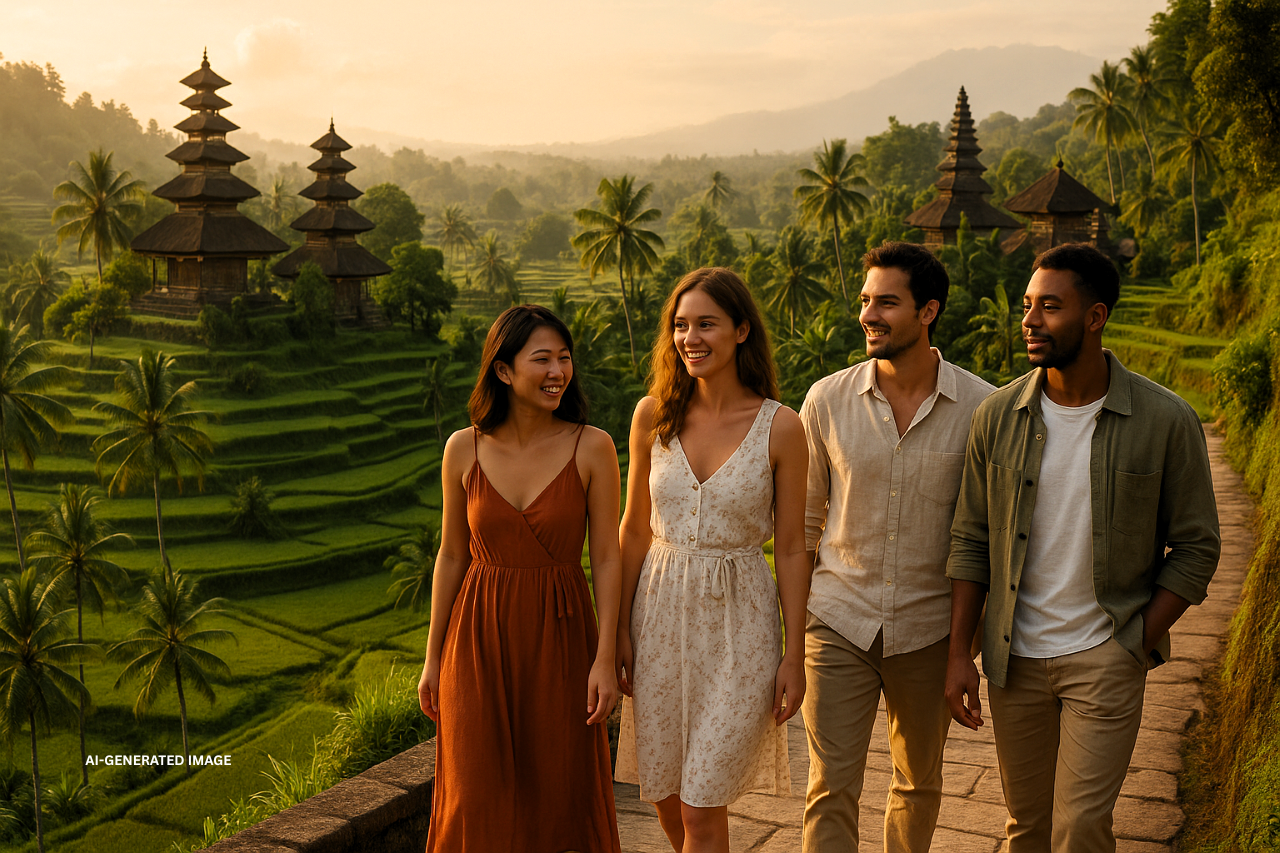
Bali is recognized for its beautiful beaches, lush rice terraces, thriving arts scene, and sacred temples. Cultural centers such as Ubud are known for traditional dance, crafts, and spiritual experiences, while coastal areas like Seminyak and Uluwatu attract beach lovers and surfers. Daily offerings and ceremonies add depth to Bali’s serene atmosphere, giving travelers an immersive cultural experience.
Due to its accessibility, infrastructure, and wide range of attractions, Bali continues to attract both first-time visitors and returning travelers from around the world.
Borobudur Temple – A Timeless Monument of Buddhist Heritage
Borobudur Temple, located in Central Java, is one of Southeast Asia’s most important historical landmarks. As the world’s largest Buddhist monument, it stands as a powerful symbol of Indonesia’s ancient civilization and religious harmony.
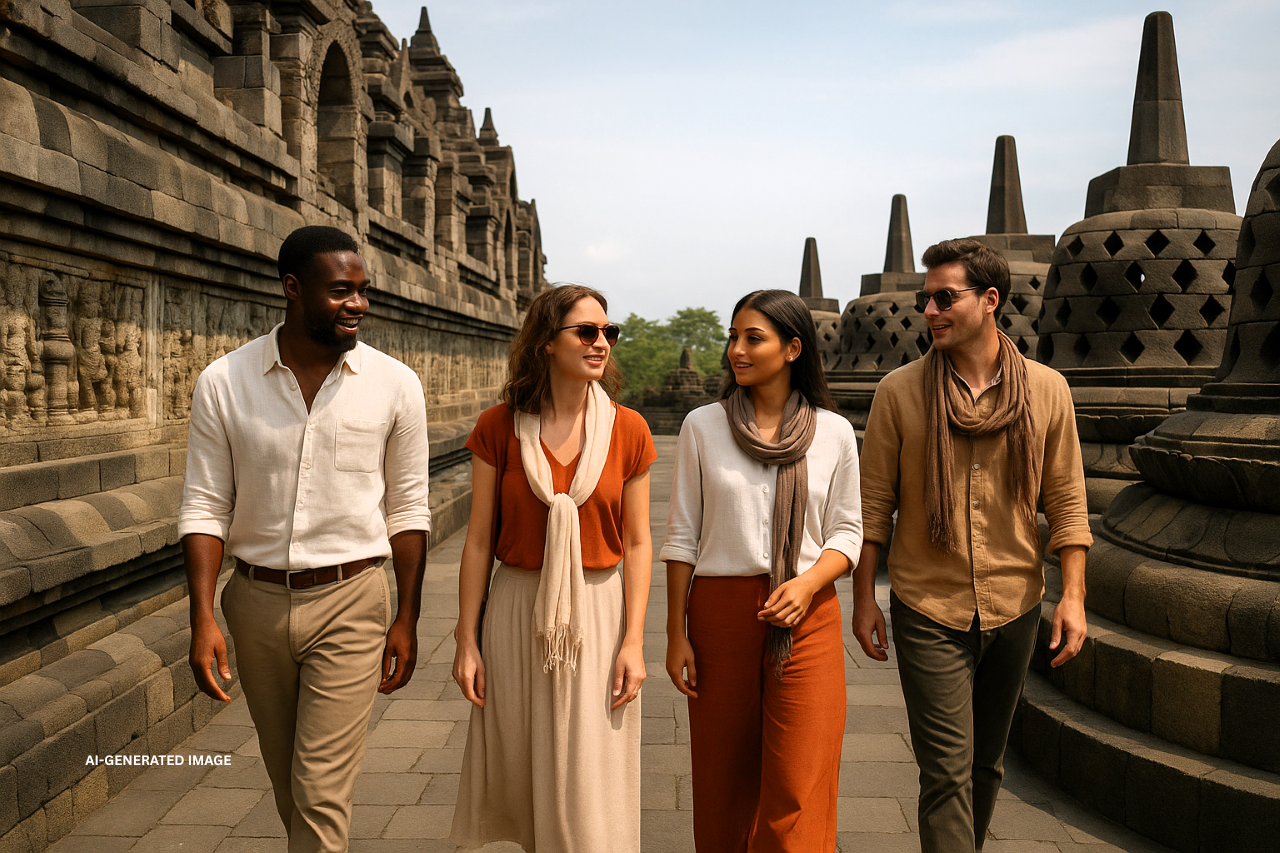
Built in the 9th century, Borobudur features thousands of detailed stone reliefs that illustrate Buddhist teachings and scenes from everyday life. Many visitors choose to arrive at dawn to witness the sunrise above the surrounding hills, an experience considered one of the most peaceful moments among Indonesian tourist places.
Today, Borobudur is both an active pilgrimage site and a UNESCO World Heritage Site, protected for its cultural and spiritual significance.
Prambanan Temple Complex – Indonesia’s Hindu Architectural Masterpiece
Prambanan is the largest Hindu temple complex in Indonesia and an exceptional example of classical Hindu architecture. Situated near Yogyakarta, the complex is dedicated to the Trimurti—Shiva, Vishnu, and Brahma.
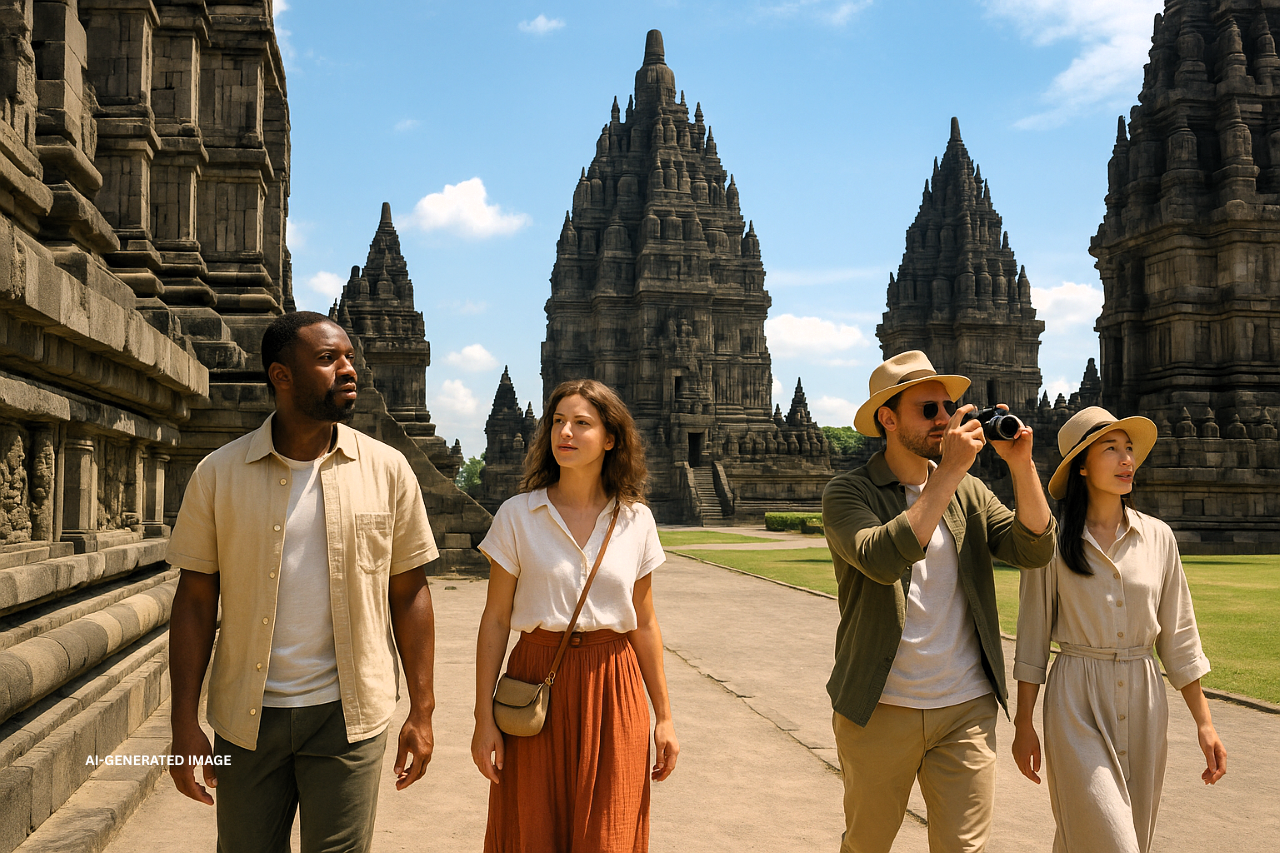
The temple’s towering spires, intricate carvings, and symmetrical layout demonstrate the artistic achievements of ancient Javanese civilization. In the evening, visitors can attend Ramayana ballet performances held near the temple complex, where traditional dance, music, and storytelling come together.
Prambanan is one of the most important tourist places for travelers interested in cultural heritage and religious history.
Komodo National Park – Home of the Legendary Komodo Dragon
Komodo National Park is one of Indonesia’s most distinctive natural attractions. It is the only place in the world where Komodo dragons can be observed in their natural habitat, making it a major draw for wildlife enthusiasts.

In addition to its famous reptiles, the park features rugged islands, open savannahs, and vibrant coral reefs. Visitors can hike under the supervision of park rangers, snorkel in clear waters, and explore isolated beaches.
The park’s rare wildlife and marine diversity firmly establish Komodo National Park as one of the most unique Indonesian tourist places.
Mount Bromo and the Volcanic Region of East Java
Mount Bromo is one of the most iconic natural landmarks in Indonesia. Located in East Java, this active volcano rises dramatically from a vast sand plain known as the Sea of Sand.

Most visitors travel to Mount Bromo before sunrise to experience panoramic views of the surrounding volcanic landscape as it slowly lights up. Nearby peaks, including Mount Semeru, enhance the region’s dramatic appearance.
The area also holds cultural importance for the Tenggerese people, who continue to practice traditional rituals on the volcanic slopes. This blend of natural beauty and living tradition makes Mount Bromo one of the most meaningful tourist places.
Raja Ampat – Indonesia’s Premier Marine Destination
Raja Ampat, located in eastern Indonesia, is regarded as one of the world’s finest marine tourism destinations. The region is celebrated for its exceptional coral reef systems and abundant marine life, drawing divers and snorkelers from around the globe.

Comprising hundreds of limestone islands surrounded by turquoise seas, Raja Ampat offers breathtaking scenery both above and below the water. Conservation efforts have helped protect the area, ensuring that it remains largely untouched.
Raja Ampat stands as one of the most pristine tourist places, offering travelers an opportunity to experience unspoiled marine ecosystems.
Why These Attractions Define Indonesia Tourist Places
These landmarks represent the diversity of experiences Indonesia offers. From sacred temples and ancient heritage to dramatic volcanoes and underwater wonders, Indonesia’s tourist places reflect a country shaped by nature, history, and tradition.
Each destination contributes to a deeper understanding of Indonesia’s cultural and environmental richness, leaving travelers with lasting impressions and meaningful experiences.
Best Islands in Indonesia to Visit
One of Indonesia’s greatest strengths as a travel destination lies in its extraordinary island diversity. With thousands of islands spread across Southeast Asia, the country offers an unmatched variety of landscapes, cultures, and travel experiences. Exploring Indonesia’s tourist places through its islands allows travelers to choose destinations that align perfectly with their interests—whether relaxation, adventure, cultural discovery, or complete seclusion.
Each major island group has its own distinct character. Some islands are highly developed for tourism, while others remain largely untouched. This diversity ensures that Indonesia appeals equally to first-time visitors and experienced travelers seeking new and meaningful journeys.
Bali – A Perfect Blend of Tradition and Tourism
Bali is Indonesia’s most internationally recognized island and continues to attract travelers from around the world. What sets Bali apart among Indonesia’s tourist places is its unique ability to blend modern tourism with deeply rooted traditions.
The island is renowned for its scenic beaches, terraced rice fields, and strong spiritual atmosphere. Cultural centers such as Ubud highlight traditional dance, art, and religious rituals, while coastal areas provide opportunities for surfing, beach relaxation, and vibrant nightlife.
In recent years, Bali has also become a global hub for wellness tourism. Yoga retreats, spa therapies, and eco-friendly resorts appeal to travelers seeking balance and renewal. Bali’s adaptability and cultural richness make it one of the most versatile islands in Indonesia.
Java – Cultural Heartland and Historical Treasure
Java serves as the cultural and economic backbone of Indonesia. As the country’s most populous island, it contains some of the most historically and culturally significant tourist places.
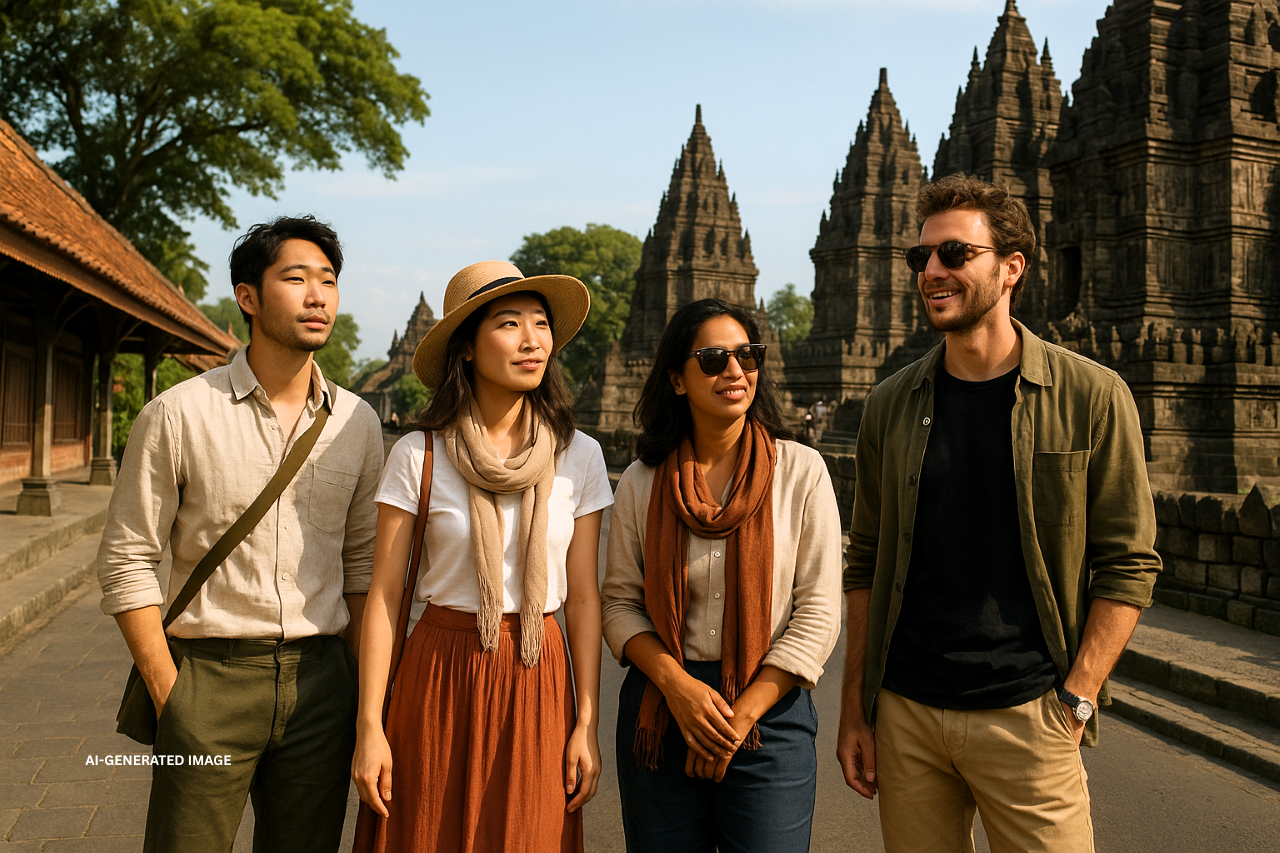
Java is home to world-famous heritage sites such as Borobudur and Prambanan, as well as important cities like Yogyakarta and Jakarta. These destinations provide insight into Indonesia’s ancient kingdoms, colonial history, and evolving modern identity.
The island’s landscape is shaped by numerous volcanoes, which contribute to both its dramatic scenery and agricultural fertility. The contrast between densely populated urban centers, classical temples, and rural countryside makes Java an essential destination for travelers interested in history and culture.
Sumatra – Raw Nature and Wildlife Experiences
Sumatra is ideal for travelers seeking immersive natural environments and authentic experiences. As one of Indonesia’s largest islands, it features dense rainforests, volcanic peaks, and expansive lake regions far removed from mass tourism.

One of Sumatra’s most remarkable attractions is Lake Toba, the world’s largest volcanic lake, surrounded by mountainous landscapes and traditional Batak communities. The island is also known for its wildlife sanctuaries, where visitors may encounter orangutans, rare bird species, and other native animals.
Sumatra’s rugged terrain and untamed beauty establish it as one of the most adventurous tourist places, especially for eco-tourists and nature enthusiasts.
Lombok and the Gili Islands – Serenity and Scenic Beauty
Lombok and the nearby Gili Islands offer a calmer alternative to Bali while maintaining exceptional natural beauty. These destinations are ideal for travelers seeking peaceful surroundings and slower-paced journeys.
Lombok Island
Lombok is dominated by Mount Rinjani, one of Indonesia’s most iconic trekking destinations. Traditional villages and rural lifestyles provide insight into the island’s Sasak culture and heritage.

The Gili Islands are known for their car-free environment, clear waters, and white-sand beaches. Snorkeling, diving, and relaxed coastal living make them popular Indonesian tourist places for couples, solo travelers, and those looking to unwind.
Gili Island

Sulawesi – Unique Traditions and Dramatic Landscapes
Sulawesi is one of Indonesia’s most culturally distinctive islands. Less visited than Bali or Java, it offers travelers an opportunity to experience traditions that have been preserved for generations.

The Toraja region is particularly notable for its ancestral customs, unique architecture, and elaborate ceremonial practices. These traditions provide valuable insight into belief systems rarely encountered elsewhere.
Sulawesi also features outstanding marine environments, with coral reefs and diving locations along its coastlines. The combination of strong cultural identity and natural beauty makes Sulawesi one of the most intriguing tourist places.
Papua and Raja Ampat – Indonesia’s Last Frontier
Papua and Raja Ampat represent the most remote and unspoiled regions of Indonesia. These destinations are ideal for travelers seeking untouched wilderness, biodiversity, and indigenous cultures.
Raja Ampat is internationally celebrated for its exceptional marine ecosystems and coral diversity. Its isolation has helped preserve delicate underwater habitats, making it one of the most environmentally significant tourist places.
Papua itself is home to extensive rainforests and indigenous tribes whose traditions continue largely unchanged. Although travel here requires careful planning, the experience offers unmatched discovery and authenticity.
Papua

Choosing the Right Island in Indonesia
Each Indonesian island offers something distinct. Bali excels in accessibility and cultural balance, Java provides historical depth, Sumatra highlights wildlife and natural landscapes, Lombok and the Gili Islands promise tranquility, Sulawesi showcases unique traditions, and Papua delivers untouched wilderness.
Together, these islands define the exceptional diversity of Indonesia’s tourist places and ensure that travelers can find destinations that suit their interests, pace, and sense of adventure.
Things to Do in Indonesia
Indonesia is a destination where travel goes far beyond visiting famous landmarks. One of the strongest appeals of Indonesia’s tourist places lies in the wide variety of experiences available across the country. From thrilling outdoor adventures and wildlife encounters to cultural exploration and spiritual retreats, Indonesia offers activities that suit every type of traveler.
Unlike destinations that focus on a single form of tourism, Indonesia allows visitors to combine adventure, relaxation, learning, and discovery within the same journey. Whether you explore bustling cities or remote islands, each experience deepens your connection to the country.
Beach Experiences and Coastal Activities
As an archipelagic nation surrounded by warm tropical seas, Indonesia is a paradise for beach lovers. Coastal activities are among the most popular experiences at Indonesian tourist places and attract visitors throughout the year.
Travelers can enjoy:
-
Relaxing on pristine beaches in Bali, Lombok, and Sumatra
-
Surfing world-class waves in destinations famous for surf culture
-
Snorkeling in shallow, coral-rich waters surrounding island reefs
-
Scuba diving in marine parks known for exceptional biodiversity
Many Indonesian beaches remain peaceful and less crowded than those in other global destinations. The combination of scenic landscapes, warm waters, and tropical weather makes beach exploration one of the most rewarding things to do in Indonesia.
Volcano Hiking and High-Altitude Adventures
Indonesia lies along one of the most geologically active zones in the world, resulting in a remarkable number of volcanoes. Hiking these volcanic landscapes is one of the most memorable activities associated with Indonesian tourist places.
Popular volcano-related experiences include:
-
Watching sunrise from volcanic summits
-
Trekking through lava fields and crater landscapes
-
Exploring sulfur lakes and geothermal sites
-
Learning about communities that live near active volcanoes
These activities range from moderate hikes to challenging multi-day treks. In addition to physical adventure, volcano exploration offers insight into the natural forces that continue to shape Indonesia’s land and culture.
Wildlife Encounters and Nature Exploration
Indonesia is one of the most biologically diverse countries in the world, making wildlife exploration a major highlight. Many Indonesian tourist places are closely connected to protected natural environments, offering opportunities to observe wildlife responsibly.
Nature-based experiences include:
-
Exploring rainforests within national parks
-
Observing endangered species in their natural habitats
-
Participating in guided eco-tourism programs
-
Visiting conservation centers focused on sustainability
Travelers are encouraged to choose ethical operators that prioritize conservation and animal welfare while allowing meaningful interaction with Indonesia’s natural heritage.
Cultural Immersion and Traditional Experiences
Culture is deeply integrated into everyday life throughout Indonesia. Immersive cultural experiences allow travelers to connect with local communities and understand regional traditions beyond surface-level sightseeing.
Cultural activities may include:
-
Visiting traditional villages and historic towns
-
Attending religious ceremonies and local festivals
-
Watching regional music and dance performances
-
Learning traditional crafts and customs from local artisans
These experiences help travelers appreciate how history, spirituality, and social values shape Indonesia’s tourist places across different regions.
Indonesian Cuisine and Culinary Exploration
Food is an essential part of Indonesian culture, and exploring local cuisine is one of the most enjoyable activities for travelers. Indonesian food varies widely by region, influenced by geography, climate, and cultural heritage.
Culinary experiences often include:
-
Sampling street food in local markets
-
Taste regional dishes unique to each island
-
Participating in hands-on cooking classes
-
Exploring traditional eateries and modern cafés
For many visitors, food becomes one of the most memorable aspects of Indonesia’s tourist places, offering comfort, discovery, and cultural insight in every meal.
Wellness, Relaxation, and Spiritual Activities
Indonesia has gained global recognition for wellness and spiritual tourism, especially in destinations where nature and tradition coexist harmoniously. Many travelers seek community, balance, and rejuvenation while visiting Indonesia’s tourist places.
Wellness-focused experiences include:
-
Yoga and meditation retreats
-
Traditional massage and spa therapies
-
Nature-based healing practices
-
Quiet retreats in the countryside or island settings
These activities complement more adventurous pursuits and provide mental and physical renewal.
Outdoor Adventures and Active Travel
Beyond beaches and volcanoes, Indonesia offers numerous opportunities for outdoor and adventure-based travel. The country’s varied terrain allows visitors to engage in diverse physical activities.
Outdoor adventures may include:
-
River rafting and waterfall hikes
-
Cycling through rural villages and scenic countryside
-
Cave exploration and nature walking trails
-
Long-distance trekking in mountainous regions
Such activities encourage travelers to explore Indonesia’s tourist places beyond major attractions and enjoy a deeper connection with natural and local environments.
Why Activities Enhance Indonesian Tourist Places
Indonesia’s appeal lies not only in what travelers see, but also in what they experience. Activities are closely tied to landscapes, traditions, and local lifestyles, making travel meaningful rather than purely recreational.
Through cultural immersion, nature exploration, and hands-on adventures, visitors discover why Indonesia’s tourist places continue to inspire travelers from around the world.
Indonesian Culture and Traditions
One of the most enriching aspects of exploring Indonesia’s tourist places is discovering the country’s remarkable cultural diversity. Indonesia is not defined by a single culture or tradition; instead, it is a tapestry of hundreds of communities, each with its own customs, beliefs, languages, and philosophies of life. Culture in Indonesia is not confined to museums—it is lived, practiced, and celebrated every day.
For travelers, understanding Indonesian culture adds depth and meaning to every destination. From daily interactions to sacred ceremonies, culture naturally shapes the travel experience across Indonesia.
Ethnic Diversity Across Indonesia
Indonesia is home to one of the most ethnically diverse populations in the world, with more than 300 ethnic groups spread across its islands. This diversity is a defining feature of Indonesia’s tourist places and explains why travel experiences vary greatly from one region to another.
Major ethnic communities include:
-
Javanese, known for refined traditions and royal court culture
-
Balinese, whose daily lives revolve around rituals and temple ceremonies
-
Batak communities of Sumatra, recognized for their strong clan and family systems
-
Sasak people of Lombok, influenced by distinctive cultural and religious customs
-
Toraja communities of Sulawesi, famous for elaborate ancestral ceremonies
-
Papuan indigenous tribes, who preserve ancient lifestyles and customs
Each ethnic group contributes its own architecture, attire, ceremonies, and social values, enriching Indonesia’s cultural landscape.
Religion and Spiritual Beliefs in Daily Life
Religion plays a central role in shaping everyday life throughout Indonesia. It influences social behavior, community gatherings, architecture, festivals, and even daily routines. Visiting Indonesia tourist places often means witnessing spiritual practices as part of ordinary life.
Indonesia officially recognizes multiple religions, including Islam, Hinduism, Buddhism, Christianity, and Confucianism, alongside various indigenous belief systems. This coexistence reflects centuries of cultural tolerance and spiritual harmony.
Travelers may hear the call to prayer from mosques, see offerings placed at temples, or observe religious celebrations in towns and villages. These practices highlight the deeply spiritual nature of Indonesia.
Traditional Clothing and Handcrafted Textiles
Traditional clothing and textiles remain powerful symbols of identity across Indonesia. These garments are more than decorative pieces; they represent local heritage, community belonging, and artistic expression.
Some of the most recognized traditional textiles include:
-
Batik, featuring intricate patterns created using wax-resist techniques
-
Ikat, a handwoven fabric produced through detailed dye-resist processes
-
Songket, luxurious textiles woven with metallic threads
Visitors exploring Indonesia’s tourist places often encounter these traditional garments during ceremonies, festivals, and performances. Textile markets and workshops also provide insight into Indonesia’s long-standing craftsmanship.
Traditional Arts, Music, and Performing Arts
Artistic expression has always played a crucial role in preserving Indonesia’s cultural heritage. Music, dance, puppetry, and storytelling are used to pass down history, religious teachings, and moral values from one generation to the next.
Key traditional art forms include:
-
Classical and regional dances that convey mythological stories
-
Wayang Kulit, traditional shadow-puppet theater
-
Gamelan music, featuring rhythmic ensembles of metal instruments
Across many Indonesian tourist places, travelers can attend cultural performances held in temples, community halls, and cultural centers, offering an authentic glimpse into Indonesia’s artistic traditions.
Customs, Etiquette, and Social Practices
Understanding local customs and etiquette greatly enhances travel experiences in Indonesia. Indonesians value politeness, humility, and respectful behavior, especially toward elders and religious practices.
Important customs to follow include:
-
Dressing modestly when visiting temples and villages
-
Removing footwear before entering homes and sacred spaces
-
Using polite gestures and courteous speech
-
Showing patience and respect in social interactions
Visitors who follow these customs are often welcomed warmly, making cultural awareness an important part of enjoying Indonesia’s tourist places.
Festivals and Community Celebrations
Festivals in Indonesia are vibrant expressions of faith, heritage, and community spirit. Celebrations vary by region and religion, offering travelers the opportunity to witness living traditions.
Some significant festivals include:
-
Nyepi, the Balinese Day of Silence
-
Galungan and Kuningan, celebrating spiritual balance
-
Ramadan and Eid, observed nationwide
-
Regional ceremonies honoring ancestors, seasons, and nature
Participating in or observing these festivals allows travelers to better understand the cultural rhythms that shape daily life across Indonesia’s tourist places.
Why Culture and Traditions Define Indonesian Tourist Places
Indonesia’s culture is inseparable from its destinations. Sacred spaces are places of devotion, rituals are part of everyday routines, and traditions remain meaningful rather than symbolic. For travelers, engaging with culture transforms visits to Indonesia’s tourist places into memorable and emotionally rich experiences.
By understanding and respecting Indonesia’s traditions, visitors build deeper connections with local communities and appreciate the country far beyond its physical beauty.
Indonesia Travel Itinerary for Different Trip Durations
Because of its vast size and island-based geography, traveling through Indonesia requires thoughtful planning. With long distances between many destinations, a well-structured itinerary helps travelers experience the best tourist places without feeling rushed or overwhelmed. Rather than trying to see everything in one trip, it is more rewarding to focus on selected regions that suit the length of your stay and personal travel interests.
The itineraries below are designed for first-time visitors, repeat travelers, and long-term explorers.
7-Day Indonesia Travel Itinerary (Ideal for First-Time Visitors)
A one-week trip is best spent focusing on a single region. For first-time travelers, Bali provides an ideal introduction to Indonesia’s tourist places, offering cultural landmarks, scenic landscapes, and convenient transportation.
Day 1: Arrival and Relaxation
-
Arrive in Bali and transfer to your hotel
-
Rest and adjust after your journey
Day 2: Coastal Exploration
-
Visit southern beaches and coastal viewpoints
-
Explore cliff-top temples and enjoy a sunset
Day 3: Ubud and Cultural Highlights
-
Travel to Ubud
-
Visit art markets, temples, and cultural villages
Day 4: Nature and Scenic Landscapes
-
Explore rice terraces and sacred water temples
-
Enjoy views of the rural countryside
Day 5: Island Excursion
-
Take a day trip to nearby islands
-
Snorkel and explore coastal scenery
Day 6: Leisure and Wellness
-
Enjoy a traditional spa treatment or yoga session
-
Spend free time shopping or relaxing
Day 7: Departure
This itinerary offers a balanced mix of culture, nature, and relaxation while allowing travelers to experience Indonesia’s tourist places at a comfortable pace.
10-Day Indonesia Travel Itinerary (Culture and Nature Focus)
With ten days, travelers can explore more than one destination while maintaining a relaxed schedule. This itinerary combines Indonesia’s cultural heritage with its natural landscapes.
Suggested Route: Java and Bali
Days 1–3: Central Java
-
Visit Borobudur Temple and the surrounding historical sites
-
Explore traditional towns and local markets
Day 4: East Java Volcano Region
-
Travel to East Java
-
Experience sunrise views from volcanic viewpoints
Days 5–8: Bali
-
Explore beaches, temples, and cultural attractions
-
Enjoy leisure time and optional day trips
Days 9–10: Flexible Exploration or Relaxation
-
Choose additional sightseeing or island excursions
-
Enjoy wellness activities or cultural workshops
This itinerary highlights several iconic Indonesian tourist places while ensuring sufficient rest and exploration time.
14-Day Indonesia Travel Itinerary (Multi-Island Experience)
A two-week trip allows travelers to appreciate Indonesia’s diversity more deeply, without excessive travel pressure.
Suggested Route: Java – Bali – Lombok
Days 1–4: Java
-
Visit historical landmarks and cultural centers
-
Explore cities and ancient temples
Days 5–8: Bali
-
Experience cultural traditions and beach life
-
Visit temples, rice terraces, and scenic viewpoints
Days 9–11: Lombok
-
Discover beaches, waterfalls, and traditional villages
-
Enjoy outdoor activities and natural scenery
Days 12–14: Gili Islands
-
Snorkel, swim, and relax
-
Enjoy a slower island pace
This itinerary provides a well-rounded journey through several Indonesian tourist places, combining culture, adventure, and relaxation.
One-Month Indonesia Backpacking Itinerary
Indonesia is a favorite destination for backpackers and slow travelers due to its affordability, cultural diversity, and transportation connectivity. A longer stay allows for flexible exploration and deeper cultural immersion.
Suggested Backpacking Route:
-
Java – Temples, cities, and volcano hikes
-
Sumatra – Rainforests, wildlife, and Lake Toba
-
Bali – Culture, wellness, and coastal experiences
-
Lombok and the Gili Islands – Adventure and relaxation
-
Sulawesi or Raja Ampat – Traditional cultures and marine exploration
Backpacking through Indonesia allows travelers to experience Indonesia’s tourist places gradually and meaningfully, adapting plans as desired.
Transportation Tips for Indonesia Itineraries
Understanding transportation options helps travelers move efficiently between destinations.
Helpful travel tips include:
-
Domestic flights are the fastest option for island hopping
-
Trains are reliable and scenic for travel across Java
-
Ferries connect many nearby islands
-
Ride-hailing and local transport apps simplify city travel
Efficient transportation planning ensures more time is spent enjoying Indonesia’s tourist places rather than managing logistics.
Why Smart Itinerary Planning Enhances Indonesia Tourist Places
Indonesia’s scale and diversity make realistic planning essential. Well-designed itineraries allow travelers to explore destinations deeply rather than rushing between them. Thoughtful planning ensures that Indonesia’s tourist places are experienced in a meaningful and enjoyable way.
Conclusion: Why Indonesian Tourist Places Deserve a Place on Every Bucket List
Indonesia is a destination that cannot be fully understood in a single visit. Its vast size, cultural richness, and natural diversity combine to create travel experiences that feel immersive, meaningful, and unique. From ancient temples and historic towns to rainforests, volcanoes, and vibrant coral reefs, Indonesia’s tourist places offer some of the most rewarding experiences for travelers worldwide.
What truly distinguishes Indonesia is the seamless integration of daily life with history and spirituality. Cultural practices are not staged attractions but living traditions observed in homes, streets, and sacred spaces. Traveling through Indonesia often encourages deeper reflection, curiosity, and respect for local heritage.
Indonesia also offers remarkable flexibility for travelers. Whether visiting on a modest budget or enjoying luxury accommodation, visitors can design journeys that match their preferences. The country welcomes beach lovers, adventure seekers, cultural explorers, spiritual travelers, and nature enthusiasts alike.
Ultimately, Indonesia’s tourist places leave a lasting impression not only because of what travelers see, but because of how those experiences make them feel. Each visit reveals new perspectives, ensuring that Indonesia remains a destination travelers return to again and again.
FAQs
Is Indonesia safe for tourists?
Yes, Indonesia is generally considered safe for tourists. Most Indonesian tourist places are familiar with international visitors and are supported by established tourism infrastructure. As with any destination, travelers should follow basic safety precautions, respect local laws, and remain aware of their surroundings.
What are the most popular tourist places in Indonesia?
Some of the most popular Indonesian tourist places include Bali, Borobudur Temple, Prambanan Temple, Komodo National Park, Mount Bromo, Raja Ampat, Lake Toba, Lombok, and the Gili Islands. Each destination offers unique experiences shaped by culture, nature, and geography.
How many days are needed to explore Indonesia?
The ideal duration depends on your travel plans. A trip of 7 to 10 days is suitable for exploring one or two regions. For those wishing to experience multiple Indonesian tourist places across different islands, a journey of 14 to 30 days is more appropriate.
What is the best time to visit Indonesia?
The best time to visit Indonesia is generally during the dry season, which runs from May to September. These months offer favorable weather for sightseeing and outdoor activities in Indonesia’s tourist places. However, travelers can visit Indonesia year-round, as each season has its own appeal.
Is Indonesia budget-friendly for travelers?
Yes, Indonesia is widely regarded as a budget-friendly destination. Affordable accommodation, inexpensive local food, and economical transportation options make traveling between Indonesian tourist places accessible to a wide range of travelers, including backpackers.
Do tourists need a visa to travel to Indonesia?
Visa requirements depend on nationality. Many tourists are eligible for visa-free entry or visa-on-arrival for short stays. Travelers are advised to check the current visa regulations before planning their visit to Indonesia’s tourist places.
What cultural etiquette should visitors follow in Indonesia?
Visitors should dress modestly when entering temples, remove footwear where required, and show respect toward local customs and religious practices. Being polite and culturally sensitive greatly enhances experiences when visiting Indonesia’s tourist places.