
Introduction
Borneo Island Malaysia is one of the world’s last great wilderness destinations—a place where ancient rainforests hum with life, rivers carve through emerald jungles, rare wildlife thrives, and tropical islands sparkle with turquoise waters. The Malaysian region of Borneo, consisting of the states of Sabah and Sarawak, offers a travel experience that blends untouched nature, rich Indigenous culture, and unforgettable adventures.
Travellers from around the world come here to scale rugged mountains, dive into crystal-clear reefs, glide along wildlife-filled rivers, and encounter species found nowhere else on Earth. Whether you dream of seeing orangutans in their natural habitat, exploring vast cave systems, or relaxing on pristine beaches, Borneo Island, Malaysia, promises a journey filled with discovery and wonder.
Overview
Borneo is the third-largest island in the world and is shared by Malaysia, Indonesia, and Brunei. The Malaysian portion of the island lies in the north and features diverse, breathtaking landscapes, including towering mountains, lush valleys, dense rainforests, and expansive coastlines.
The Malaysian region of Borneo is divided into two states:
-
Sabah – located in the northeast
-
Sarawak – located in the northwest
Although they share the same island, each state offers a unique travel experience shaped by its geography, culture, and attractions.
Geography & Natural Landscape
Borneo Island, Malaysia, is renowned for its dramatic natural scenery. The region features:
-
Rainforests older than the Amazon, estimated at more than 140 million years old
-
Extensive river systems, including the biodiversity-rich Kinabatangan River
-
Mountain ranges dominated by Mount Kinabalu
-
Protected marine parks filled with colorful coral reefs
-
World-class cave systems, including some of the largest cave chambers on Earth
-
Mangrove forests, wetlands, and peat swamps
-
Rolling hills and secluded valleys
This diversity makes Borneo one of the richest ecological regions in Southeast Asia and a dream destination for nature lovers.
Malaysian Borneo vs Indonesian Borneo
Because Borneo is shared by three countries, many first-time travellers wonder how each region differs. Understanding these differences helps you make informed travel decisions.
Here’s a simple comparison:
| Region | Country | Travel Highlights |
|---|---|---|
| Sabah | Malaysia | Wildlife, orangutans, Mount Kinabalu, river safaris, diving |
| Sarawak | Malaysia | Culture, longhouses, caves, rainforests, heritage |
| Kalimantan | Indonesia | Remote jungles, fewer established tourism facilities |
| Brunei | Brunei | Small, peaceful, culture-focused experiences |
This article focuses exclusively on Malaysian Borneo, as it offers the easiest accessibility, the best infrastructure, and the most diverse attractions for travellers.
Sabah vs Sarawak – Two Similar Yet Distinct Regions
Sabah and Sarawak complement each other beautifully. Both are rich in natural beauty, wildlife, and culture, but each brings its own flavour to your Borneo travel experience.
Sabah – Adventure, Mountains & Marine Beauty
Sabah is a top choice for travellers seeking outdoor adventure and wildlife encounters. Its landscapes range from high mountains to virgin rainforests and island-dotted coastlines.
What Sabah Offers
-
Climbing Mount Kinabalu, Southeast Asia’s most prominent peak
-
Meeting orangutans at the Sepilok Rehabilitation Centre
-
Trekking through the ancient forests of Danum Valley
-
Wildlife cruises along the Kinabatangan River
-
Diving in the legendary Sipadan Island
-
Island hopping near Kota Kinabalu
-
Bustling markets and golden sunsets along KK’s waterfront
Sabah is perfect for adventure lovers, nature enthusiasts, photographers, and wildlife seekers.
Sarawak – Culture, Heritage & Geological Wonders
Sarawak offers a slower, more cultural travel experience. The state is known for its warm hospitality, diverse ethnic communities, and stunning geological formations.
What Sarawak Offers
-
The charming and artistic city of Kuching
-
Bako National Park, famous for proboscis monkeys and coastal trails
-
Gunung Mulu National Park, home to immense caves and dramatic limestone pinnacles
-
Authentic Iban and Bidayuh longhouses
-
Easy-access rainforest reserves and waterfall trails
-
A distinctive food culture with bold flavours and traditional dishes
Sarawak is ideal for travellers interested in culture, nature walks, heritage, and community-based tourism.
Why Visit Borneo Island, Malaysia?
Borneo remains an extraordinary destination that captivates travellers with its raw natural beauty and rich cultural diversity. Here’s why it stands out:
One of the World’s Oldest Rainforests
The rainforests of Borneo are older than the Amazon and host one of the highest levels of biodiversity anywhere on Earth. Walking through these ancient forests feels like crossing into another era.
Exceptional Wildlife Encounters
Borneo Island, Malaysia, offers some of Asia’s most impressive wildlife experiences.
You may encounter:
-
Orangutans
-
Proboscis monkeys
-
Pygmy elephants
-
Sun bears
-
Hornbills
-
Reef sharks and sea turtles
For wildlife enthusiasts, Borneo is a bucket-list destination.
UNESCO World Heritage Treasures
Borneo is home to two breathtaking UNESCO sites:
-
Kinabalu National Park – a biodiversity hotspot surrounding Mount Kinabalu
-
Gunung Mulu National Park – renowned for massive caves and karst formations
Both attractions appeal to adventurers, scientists, photographers, and nature lovers.
Stunning Islands & World-Class Diving
Whether you’re a diver or a casual snorkeller, Borneo’s waters offer extraordinary marine experiences.
Expect:
-
Crystal-clear visibility
-
Colorful corals
-
Massive schools of fish
-
Dozens of sea turtles
-
Breathtaking drop-offs
Sipadan, in particular, is considered one of the best dive sites in the world.
Rich Indigenous Culture
Over 40 Indigenous communities call Borneo home. Visitors can explore longhouses, learn traditional crafts, taste local cuisines, and participate in cultural festivals—experiences that bring depth to your journey.
Boundless Adventure Opportunities
Adventure lovers will find endless activities such as:
-
Jungle trekking
-
Caving
-
White-water rafting
-
Hiking
-
River safaris
-
Diving and snorkelling
Every region of Borneo offers something thrilling.
A Destination That Feels Untouched
Even today, Borneo retains an untouched, wild atmosphere rarely found in popular tourist destinations. Its remote landscapes and authentic communities give travellers a refreshing escape from city life.
Best Time to Visit Borneo
Choosing the best time to visit Borneo Island, Malaysia, can significantly enhance your travel experience, especially if your itinerary includes wildlife encounters, hiking, or diving. Since Borneo lies near the equator, the weather is warm and humid year-round, but rainfall patterns and sea conditions vary by season and region.
The following detailed guide explains the climate, seasons, and the ideal times for different activities during your Borneo travel.
Climate and Seasons in Borneo
Borneo Island, Malaysia, experiences a tropical rainforest climate, characterized by:
-
Temperatures typically range between 27°C and 32°C
-
High humidity throughout the year
-
Sudden rain showers followed by sunshine
-
Slightly different weather patterns between Sabah and Sarawak
This climate is what keeps Borneo’s rainforests lush, green, and full of life. Rain is common in all seasons, but it rarely disrupts entire days of exploration.
There is no “winter” or drastic dry season here—only varying levels of rainfall. This means you can visit Borneo, Malaysia, year-round, provided you stay flexible and prepared.
Peak, Shoulder, and Low Seasons
While temperatures are stable throughout the year, tourism patterns create practical seasons that help travellers plan their visit.
🔺 Peak Season
Peak season generally coincides with:
-
School holidays
-
Festive periods (Christmas, New Year)
-
Drier months across many areas
During this time:
-
Flight and hotel prices may rise
-
Tourist sites can become crowded
-
Permits for Mount Kinabalu and Sipadan often sell out early
For climbing Mount Kinabalu or diving at Sipadan, book months in advance.
🟡 Shoulder Season
The shoulder season is ideal for travellers who want good weather without large crowds.
Benefits:
-
More availability in hotels and lodges
-
Lower prices compared to peak season
-
Comfortable conditions for outdoor activities
This is one of the most recommended travel periods, especially for those wanting a more relaxed trip.
🔻 Low / Rainy Season
The rainy season brings more frequent showers and sometimes heavier rainfall, but it also has its charm.
Why travellers still enjoy this season:
-
Lush, vibrant green landscapes
-
Dramatic waterfalls and full rivers
-
Beautiful photography conditions
-
Fewer tourists and quieter attractions
Things to keep in mind:
-
Jungle trails may be muddier
-
Some boat trips may be delayed due to the weather
-
Rain is usually short-lived and followed by sunshine
If you don’t mind occasional showers, the low season can be surprisingly rewarding.
Best Time for Wildlife Viewing
Wildlife in Borneo Island, Malaysia, is active throughout the year, but certain seasons make animal sightings more comfortable and predictable.
⭐ Kinabatangan River
A hotspot for wildlife lovers. Expect to see:
-
Proboscis monkeys
-
Crocodiles
-
Hornbills
-
Pygmy elephants (seasonally)
Sunrise and sunset cruises offer the best chances for sightings.
⭐ Danum Valley & Tabin Reserve
These protected rainforests are excellent for:
-
Wild orangutans
-
Flying squirrels
-
Gibbons
-
Nocturnal species
Rain can reduce visibility, but experienced guides still find animal activity in all seasons.
Overall, shoulder and drier months provide the best combination of comfort and wildlife encounters.
Best Time for Hiking & Mount Kinabalu
Mount Kinabalu is one of Malaysia’s most iconic climbs, and weather plays a major role in the experience.
🌄 Ideal Months:
-
Clearer skies
-
Lower rainfall
-
Better sunrise views at the summit
🧭 Important Notes:
-
Summit permits are limited daily
-
Early booking is essential
-
The weather at higher altitudes can change unexpectedly
Climbing is possible year-round, but hikers should be prepared for sudden temperature drops and strong winds.
Best Time for Diving & Island Hopping
The islands around Sabah—such as Sipadan, Mabul, Kapalai, and those in Tunku Abdul Rahman Marine Park—are excellent diving and snorkelling destinations in any season.
🌊 Expect:
-
Warm water temperatures
-
Colorful reefs are alive with marine life
-
Consistent underwater activity
Certain months offer clearer visibility, but diving is enjoyable all year. Sipadan diving permits, however, must be booked far in advance.
How to Reach Borneo Island, Malaysia
Reaching Borneo, Malaysia, is much easier than many travellers imagine. Modern airports, frequent flights, and efficient domestic routes make travel smooth and convenient.
International Gateways to Malaysian Borneo
The two main entry points are:
-
Kota Kinabalu (BKI) – Gateway to Sabah
-
Kuching (KCH) – Gateway to Sarawak
Both airports connect to:
-
Kuala Lumpur
-
Singapore
-
Penang
-
Johor Bahru
-
Several regional Asian cities
Kota Kinabalu has more international flights due to its popularity among divers, hikers, and wildlife enthusiasts.
Flying from Mainland Malaysia
Most travellers begin their trip from Kuala Lumpur or Penang.
Common domestic routes include:
-
Kuala Lumpur → Kota Kinabalu
-
Kuala Lumpur → Kuching
-
Kuala Lumpur → Sandakan or Tawau
Flights are frequent, affordable, and perfect for travellers combining Sabah and Sarawak.
Regional Flights (Singapore, Thailand, Hong Kong, etc.)
Due to Borneo’s strategic location, you can fly directly from nearby countries.
Examples:
-
Singapore → Kota Kinabalu / Kuching
-
Hong Kong → Kota Kinabalu
-
Bangkok → Kuala Lumpur → Borneo
This makes Borneo Island, Malaysia, easy to include in multi-country Southeast Asia itineraries.
Visa, Entry & Practical Tips
✔ Visa
Most nationalities can enter visa-free for short-term visits. Check updated immigration rules before travelling.
✔ Currency
The Malaysian Ringgit (MYR) is used.
ATMs are widely available in major cities.
✔ Language
Malay is the official language, but English is widely spoken.
✔ Arrival Tips
-
Keep your hotel address handy
-
Ensure your passport has at least six months’ validity
-
Pre-arrange airport transfers if arriving late
Getting Around Borneo Island, Malaysia
Despite its rugged terrain and vast rainforests, Borneo has a reliable transportation system that combines domestic flights, buses, boats, and private transfers.
Domestic Flights within Borneo
Flying is the fastest way to move between distant cities and parks.
Popular routes include:
-
Kota Kinabalu ↔ Sandakan
-
Kota Kinabalu ↔ Tawau
-
Kota Kinabalu ↔ Kuching
-
Kuching ↔ Miri / Mulu
Flights reduce travel time from 8–10 hours by road to under an hour.
Buses, Vans & Private Transfers
For budget travel:
-
Long-distance buses connect major towns
-
Shared vans operate shorter routes
-
Private transfers offer comfort and safety
Road quality varies, especially in remote areas, so always allow extra time.
Boats & River Transport
Boats are essential in many regions. They are used for:
-
Accessing Kinabatangan River lodges
-
Reaching remote villages
-
Exploring Sarawak’s national parks
-
Island transfers from Kota Kinabalu or Semporna
River journeys are often scenic and double as wildlife-watching experiences.
Self-Drive & Hiring a Driver
Renting a car provides flexibility, especially in areas like Kota Kinabalu or Kuching.
Pros:
-
Total freedom
-
Scenic road trips
Cons:
-
Narrow roads
-
Weather unpredictability
-
Limited signage in rural regions
Hiring a driver-guide is a comfortable and informative alternative.
City Transportation
Kota Kinabalu and Kuching are walkable and friendly for day-to-day travel.
Available options:
-
Ride-hailing apps
-
Metered taxis
-
Local buses
-
Walking
Both cities have excellent waterfront areas ideal for evening strolls.
Borneo Tourist Attractions
From wildlife-filled rivers and ancient caves to vibrant cities and world-class dive sites, Borneo Island, Malaysia, offers an exciting variety of experiences. Whether you are seeking adventure, relaxation, nature encounters, or cultural exploration, this region is filled with unforgettable attractions. Below is a grammatically refined, fully polished overview of its most iconic sights.
Kota Kinabalu and Tunku Abdul Rahman Marine Park (Sabah)
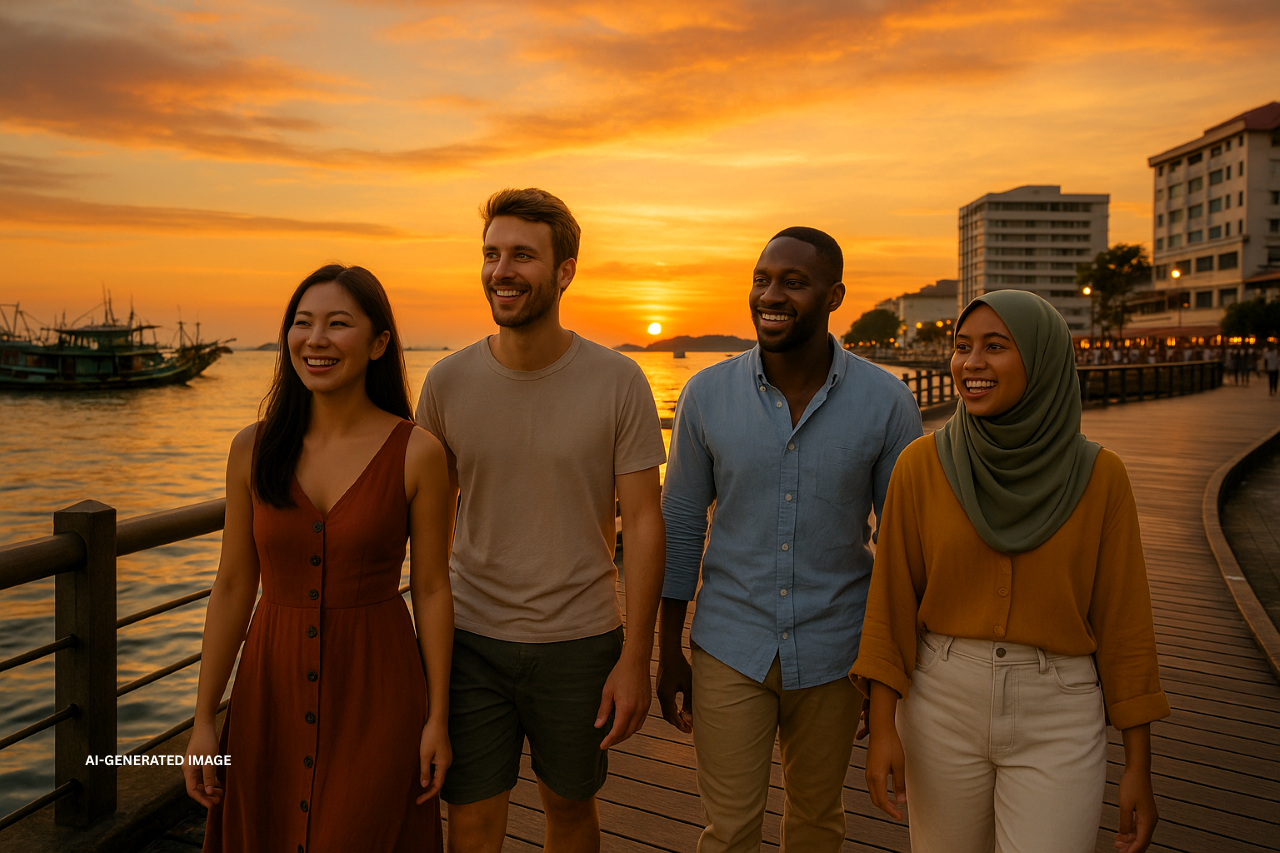
Kota Kinabalu, the lively capital of Sabah, is often the first stop for travellers exploring Malaysian Borneo. This coastal city blends modern energy with easy access to nature, making it an excellent base for island excursions and mountain adventures.
Kota Kinabalu
Tunku Abdul Rahman Marine Park (Sabah)
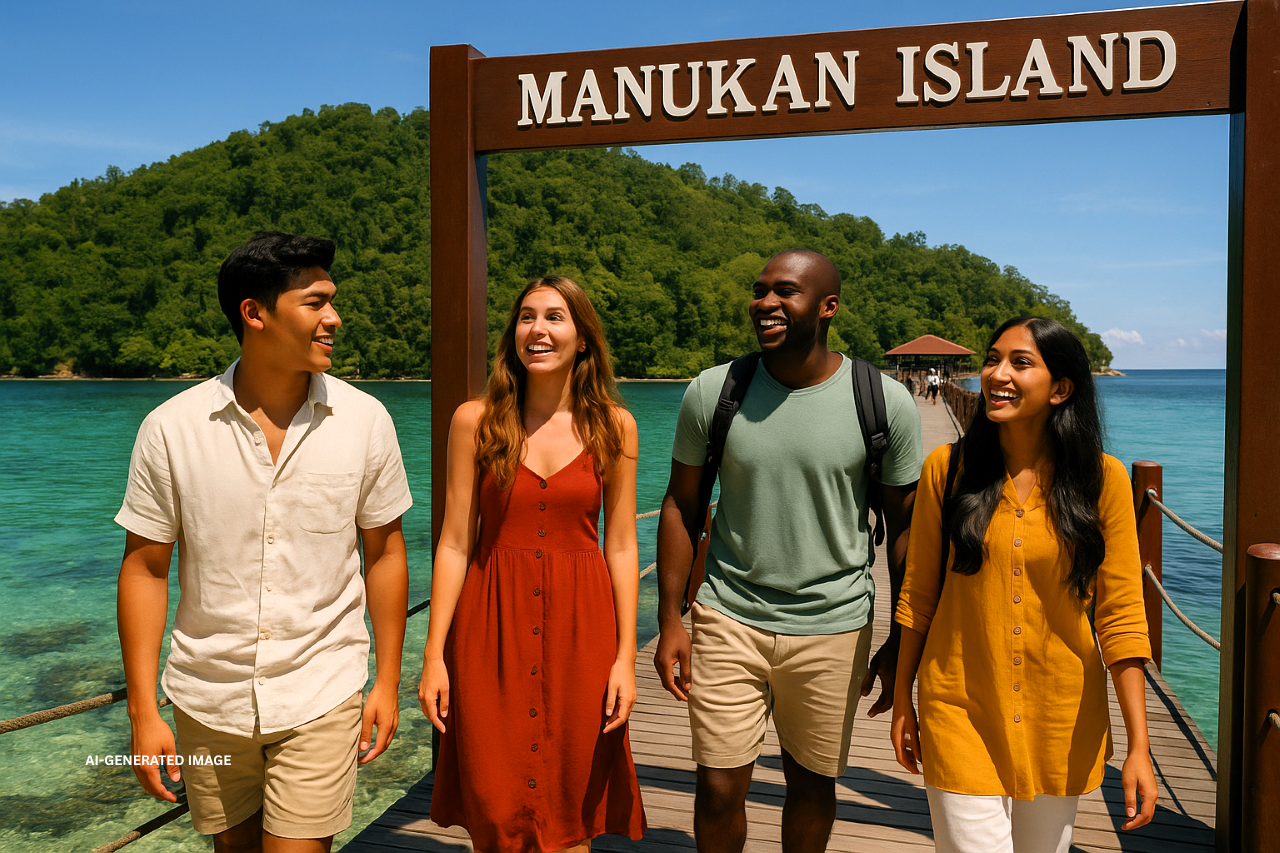
Just minutes offshore lies the Tunku Abdul Rahman Marine Park, a group of five islands—Manukan, Sapi, Gaya, Mamutik, and Sulug. These islands are celebrated for their clear waters, sandy beaches, and rich coral reefs.
What You Can Experience
-
Snorkelling among colorful marine life
-
Beginner and intermediate diving spots
-
Water sports such as parasailing and kayaking
-
Short nature trails with scenic viewpoints
-
Stunning sunsets upon returning to the mainland
If you want a quick tropical getaway without long travel distances, this marine park offers the perfect island-hopping experience.
Mount Kinabalu and Kinabalu National Park
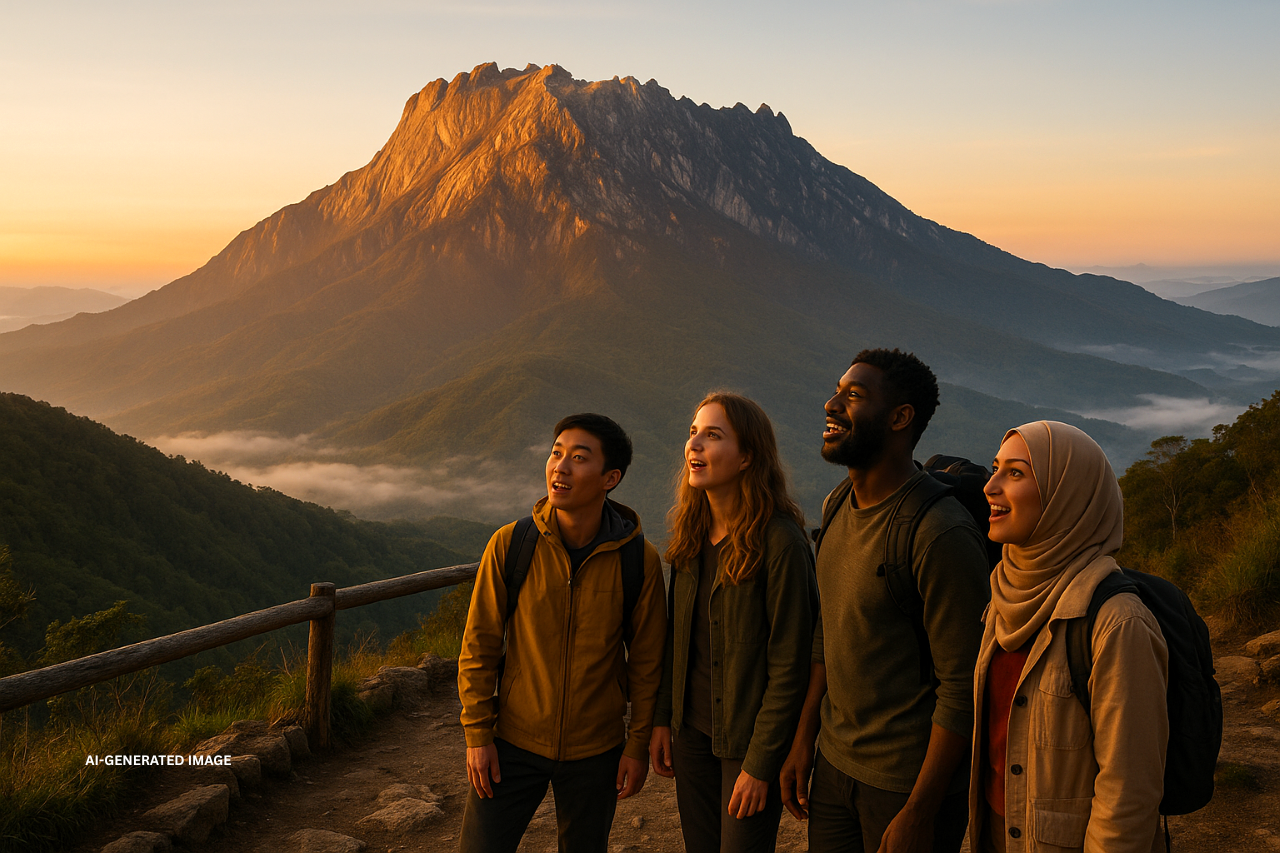
Soaring to 4,095 meters, Mount Kinabalu is one of Southeast Asia’s tallest peaks. Kinabalu National Park, a UNESCO World Heritage Site, surrounds the mountain and is known for its unbelievable plant diversity.
Mount Kinabalu
Highlights
-
Over 5,000 plant species, including rare orchids and the famous pitcher plant
-
High-altitude forests with cool, refreshing temperatures
-
Gentle walking trails suitable for all fitness levels
-
Botanical gardens filled with native flora
-
Majestic views at every corner
Climbing Mount Kinabalu
The summit climb is one of Asia’s most popular hiking challenges. Most trekkers complete the ascent over two days, spending the night at a mountain lodge before the sunrise climb to Low’s Peak. Since daily climbing permits are limited, it is important to book early.
Even without climbing, a visit to the national park is enjoyable with its peaceful ambience, unique vegetation, and cool mountain air.
Sepilok Orangutan Rehabilitation Centre & Sun Bear Conservation Centre
Located near Sandakan, the Sepilok Orangutan Rehabilitation Centre is one of Sabah’s most inspiring conservation facilities. It cares for orphaned or injured orangutans, helping them develop skills needed to eventually return to the wild.
Visitors can observe semi-wild orangutans during feeding times and watch juvenile orangutans learning essential survival techniques.
Besides it, the Bornean Sun Bear Conservation Centre provides a haven for sun bears that have been rescued from illegal captivity. The bears live in spacious forest enclosures and can be viewed from elevated boardwalks.
These two centers offer meaningful, ethical wildlife experiences while educating visitors about the importance of rainforest conservation.
Kinabatangan River – One of Borneo’s Best Wildlife Corridors
The Kinabatangan River is famous for its dense concentration of wildlife. As Sabah’s longest river, it cuts through diverse habitats that are home to countless species.
Wildlife You May See
-
Proboscis monkeys
-
Macaques and leaf monkeys
-
Orangutans (occasional sightings)
-
Bornean pygmy elephants
-
Crocodiles
-
Hornbills, kingfishers, and other exotic birds
Staying at a riverside lodge allows you to join sunrise and sunset cruises, the best times for wildlife sightings. The misty morning atmosphere along the river creates a magical setting for nature photography.
Danum Valley Conservation Area & Tabin Wildlife Reserve
For travellers seeking a deeper, more immersive rainforest experience, Danum Valley is one of the most pristine and biologically rich forests in the world. This conservation area protects untouched primary rainforest and hosts a variety of rare wildlife.
Why Danum Valley Is Exceptional
-
Expert-led wildlife treks through ancient forests
-
Rare opportunities to see wild orangutans and gibbons
-
Night safaris for spotting nocturnal animals
-
Canopy walkways offering breathtaking views
-
Exclusive eco-lodges surrounded by dense jungle
Similarly, Tabin Wildlife Reserve offers incredible wildlife encounters, especially around its natural mud volcanoes, where animals gather for minerals.
Both locations provide some of the most authentic wildlife adventures available in Borneo Island Malaysia.
Sipadan, Mabul, Kapalai & Semporna – Malaysia’s Diving Paradise
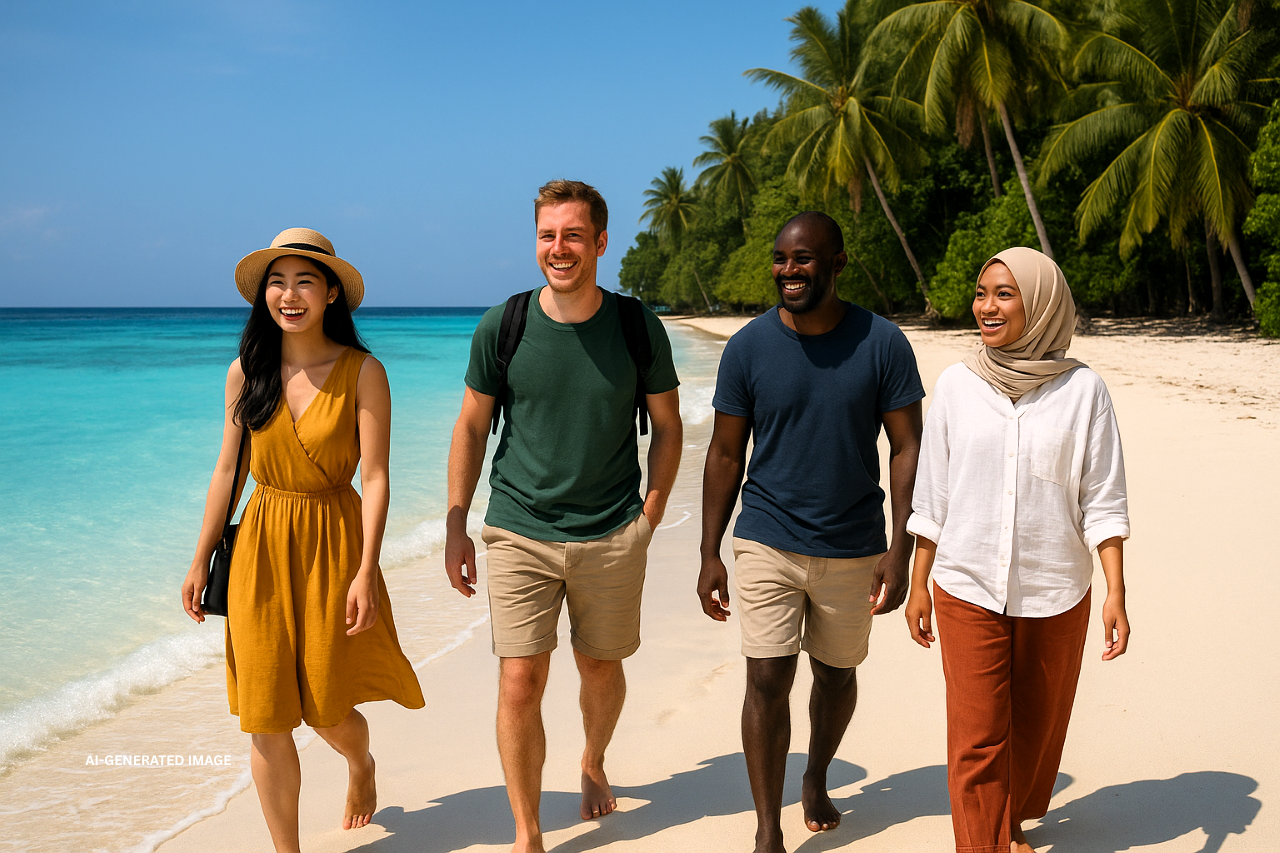
Off the eastern coast of Sabah lie some of the most spectacular dive sites on the planet. Sipadan Island is world-famous for its deep drop-offs and dense marine life.
Sipadan Island
What Makes Sipadan Extraordinary
-
Huge schools of barracudas and jackfish
-
Dozens of turtles are swimming gracefully around the reefs
-
Reef sharks and pelagic species
-
Stunning coral walls with vibrant colors
-
Excellent visibility on many days
Due to conservation regulations, Sipadan limits daily dive permits. Travellers usually stay on nearby Mabul or Kapalai, where dive resorts and snorkelling spots offer exceptional underwater opportunities.
If you love marine life or underwater photography, this region should be at the top of your Borneo travel list.
Kuching – Sarawak’s Cultural and Gastronomic Capital
Kuching, the charming capital of Sarawak, is known for its cultural diversity, relaxing atmosphere, and delicious food scene. With its riverfront promenade, old-town heritage buildings, temples, and street art, Kuching is a delightful place to explore on foot.
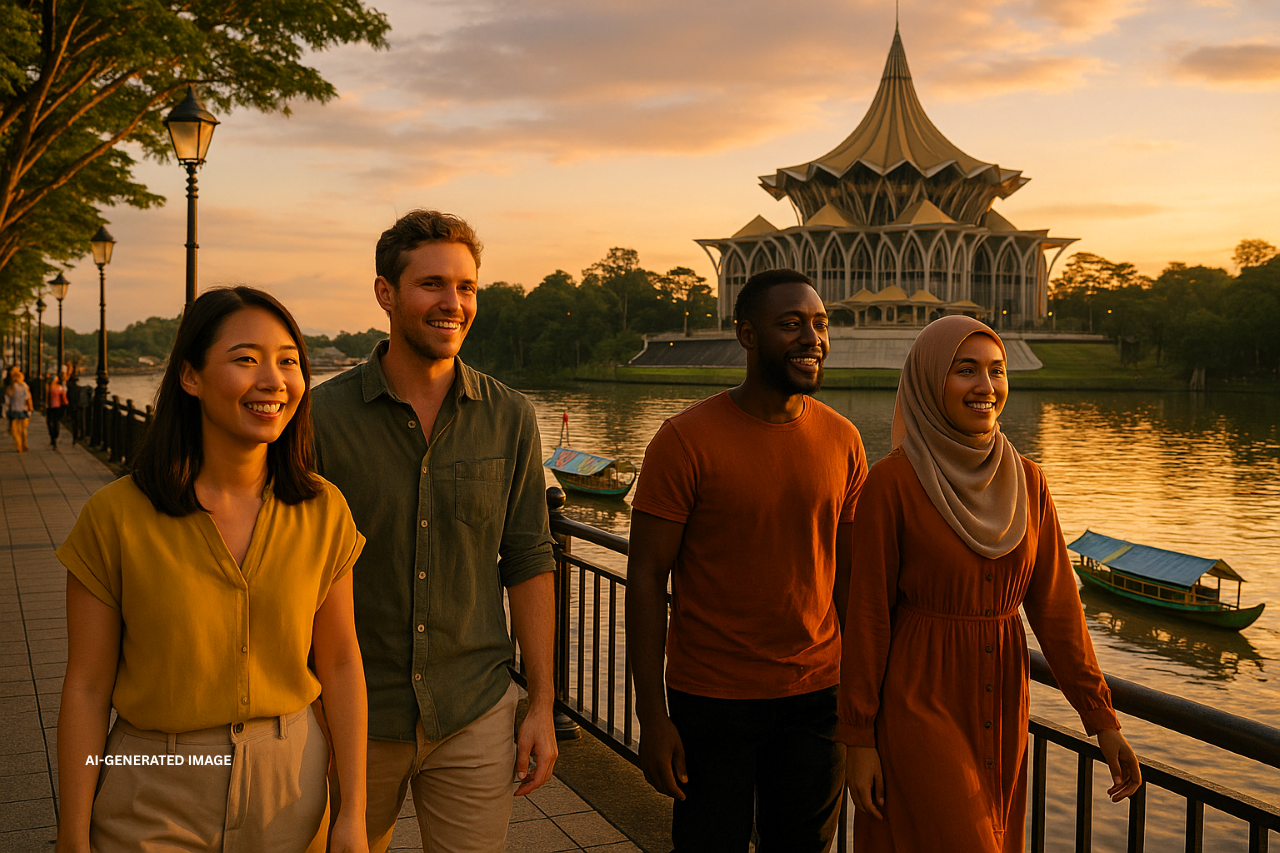
Top Things to See in Kuching
-
Kuching Waterfront
-
Sarawak Museum Complex
-
Beautiful temples and mosques
-
Cat Museum for a fun, quirky visit
-
Street markets and food courts
Kuching also serves as an excellent gateway to nearby national parks and wildlife encounters.
Bako National Park (Sarawak)
Located just 40 minutes from Kuching, Bako National Park is one of the best places to see wildlife in Sarawak.
Why Bako Is Special
-
High chance of spotting proboscis monkeys
-
Beautiful mangrove and rainforest ecosystems
-
Dramatic coastal cliffs and sea stacks
-
Multiple hiking trails with varying difficulty levels
-
Resident bearded pigs roam freely near the headquarters
You can visit Bako as a day trip or stay overnight in park lodges for night walks and extended wildlife viewing.
Gunung Mulu National Park (Sarawak)
A UNESCO World Heritage Site, Gunung Mulu National Park is famous for its enormous cave systems and unique karst formations.
Signature Attractions
-
Deer Cave — one of the world’s largest cave passages
-
Lang Cave — filled with stunning rock formations
-
The bat exodus at dusk — millions of bats emerging in waves
-
Canopy skywalk — towering bridges above the forest floor
-
The Pinnacles — sharp limestone spires for advanced hikers
Most visitors arrive by a short scenic flight, adding an adventurous touch to the experience.
Other Remarkable Nature Parks in Borneo
In addition to the famous sites, Borneo Island, Malaysia, offers many lesser-known gems worth exploring:
-
Kubah National Park – waterfalls, orchids, rainforest trails
-
Gomantong Caves – home to swiftlets and bat colonies
-
Semenggoh Wildlife Centre – semi-wild orangutans
-
Lanjak Entimau Sanctuary – a protected rainforest with rare species
These parks provide quieter, more intimate encounters with nature.
Things to Do in Borneo
A trip to Borneo, Malaysia, is filled with activities that immerse you in nature, culture, adventure, and wildlife.
Jungle Trekking & Canopy Walks
Borneo’s rainforest trails range from easy walks to challenging jungle treks. Highlights include:
-
Kinabalu National Park
-
Danum Valley
-
Mulu National Park
-
Bako National Park
-
Kubah National Park
Canopy walkways allow you to observe the rainforest from above, offering incredible views and birdwatching opportunities.
Wildlife Watching & Birding
Nature enthusiasts will appreciate the abundance of wildlife encounters.
You may see:
-
Orangutans
-
Proboscis monkeys
-
Pygmy elephants
-
Crocodiles
-
Exotic birds, including hornbills
Guided tours greatly increase your chances of spotting rare animals.
Diving, Snorkelling & Island Hopping
With clear waters and colourful coral reefs, Borneo is a dream for underwater exploration.
Popular activities:
-
Diving at Sipadan
-
Snorkelling around Manukan and Sapi
-
Underwater photography
-
Exploring the Semporna archipelago
Beginners can take snorkelling or diving courses on Mabul or the islands near Kota Kinabalu.
River Cruises & Cave Adventures
River and cave experiences are signature highlights in Borneo Island, Malaysia.
River Cruises
Sunrise and sunset cruises on the Kinabatangan River offer the best opportunities to see wildlife in action.
Cave Exploration
Sites such as Mulu and Gomantong showcase enormous chambers, limestone formations, and thriving bat colonies.
Cultural Experiences & Longhouse Visits
Meeting local communities is a meaningful part of Borneo travel.
Longhouse visits offer:
-
Cultural performances
-
Traditional storytelling
-
Handicraft demonstrations
-
Home-cooked meals
-
Insight into Indigenous customs
These experiences support local communities and deepen cultural understanding.
Food Tours, Markets & Cooking Classes
Food is a vibrant part of Borneo’s identity. Travellers can explore:
-
Fresh seafood in Kota Kinabalu
-
Sarawak laksa and kolo mee in Kuching
-
Lively night markets
-
Traditional cooking classes
Each meal adds flavour to your journey across Borneo Island, Malaysia.
Borneo Wildlife
One of the main reasons travellers are drawn to Borneo Island, Malaysia, is its extraordinary wildlife. The island is home to some of the rarest and most unique creatures on Earth, thanks to its ancient rainforests and diverse ecosystems that have evolved over millions of years. Exploring Borneo feels like stepping into a living nature documentary—every trek, boat ride, and forest walk opens the door to incredible wildlife encounters.
Below is a polished, grammatically refined overview of Borneo’s iconic species and where to see them.
Iconic Species of Borneo
Borneo is a biodiversity hotspot, home to countless species of animals, birds, reptiles, and insects.
Here are some of the island’s most remarkable species:
🟠 Orangutans
Orangutans are the most iconic animals found in Borneo Island, Malaysia. Their expressive faces, intelligent eyes, and gentle behaviour leave a lasting impression on visitors. Watching an orangutan gracefully swing through the canopy or build a nest high in the trees is an unforgettable experience.
🐒 Proboscis Monkeys
These unique monkeys are known for their long noses, big bellies, and playful personalities. They thrive in mangroves and riverside forests and are easily spotted during river cruises. Their quirky appearance and lively antics make them one of Borneo’s most photographed animals.
🐘 Bornean Pygmy Elephants
The Bornean pygmy elephant is a rare and adorable species native to Sabah. Smaller and more gentle-looking than other Asian elephants, they are often seen moving in herds along the Kinabatangan River. Observing these elephants in the wild is a magical moment during any Borneo travel journey.
🐻 Sun Bears
Sun bears are the smallest bear species in the world and are recognized by the golden crescent shape on their chest. Although difficult to spot in the wild, rescued individuals can be seen up close at conservation centres in Sabah.
🐅 Clouded Leopards
Clouded leopards are elusive, solitary predators. Sightings are rare, but knowing they inhabit Borneo’s deepest forests highlights the island’s remarkable biodiversity.
🦅 Hornbills and Birds
With more than 650 bird species recorded, Borneo Island, Malaysia, is a paradise for birdwatchers. Hornbills, kingfishers, owls, sunbirds, and pittas are commonly seen. The sight of a hornbill gliding across the forest canopy is simply breathtaking.
🐢 Marine Life
From the reefs of Sipadan to the waters around Mabul and Gaya Island, Borneo offers extraordinary marine biodiversity. Expect turtles, reef sharks, rays, colorful fish, and vibrant coral gardens—making it one of the best diving destinations in Asia.
Where to See Orangutans Ethically
Observing orangutans is a highlight for most visitors, but it is vital to do so responsibly. Borneo Island, Malaysia, offers several ethical places to view orangutans while supporting conservation efforts.
Sepilok Orangutan Rehabilitation Centre (Sabah)
Sepilok rescues and rehabilitates orphaned orangutans. Visitors can watch feeding sessions and learn about the stages of rehabilitation while observing semi-wild orangutans from a respectful distance.
Semenggoh Wildlife Centre (Sarawak)
Semenggoh is home to semi-wild orangutans that roam the surrounding forest. During feeding times, they may emerge from the jungle, offering excellent viewing opportunities.
Danum Valley Conservation Area
This remote rainforest is one of the best places to see wild orangutans. Guided treks provide opportunities to spot them in their natural habitat.
Tabin Wildlife Reserve
Tabin offers excellent wildlife-watching opportunities, especially near natural salt licks, which attract orangutans and other rare species.
Lanjak Entimau Wildlife Sanctuary (Sarawak)
A remote sanctuary that protects large numbers of wild orangutans. Access is limited and requires permits, making it ideal for serious wildlife enthusiasts.
Proboscis Monkeys, Sun Bears & Pygmy Elephants
Borneo Island, Malaysia, is home to several species found nowhere else in the world.
🐒 Proboscis Monkeys
These primates are especially common along the Kinabatangan River and in Bako National Park. Their distinctive noses and group behaviour make them fascinating to observe.
🐻 Sun Bears
Sun bears are cared for at the Bornean Sun Bear Conservation Centre, where visitors can watch them climb, forage, and explore natural enclosures.
🐘 Bornean Pygmy Elephants
These gentle giants are often spotted along riverbanks and forest edges. Seeing them in the wild is one of the most rewarding experiences in Borneo travel.
Birds, Reptiles & Marine Life
Borneo’s wildlife extends beyond mammals. The island is rich in birds, reptiles, amphibians, and marine species.
Birds
-
Hornbills
-
Eagles
-
Kingfishers
-
Pittas
-
Sunbirds
Reptiles
-
Crocodiles
-
Monitor lizards
-
Snakes
-
Flying lizards
Marine Life
-
Sea turtles
-
Reef sharks
-
Rays
-
Nudibranchs
-
Large fish schools
The diversity of species is astounding, both on land and underwater.
Responsible Wildlife Tourism Guidelines
Borneo’s ecosystems are fragile. To protect them, travellers should follow responsible tourism practices:
-
Maintain a safe distance from wildlife
-
Never feed or touch animals
-
Avoid flash photography
-
Stay on marked trails
-
Reduce or eliminate plastic use
-
Support ethical, conservation-focused operators
-
Keep noise levels low during wildlife encounters
-
Follow all instructions from guides and rangers
These actions help preserve wildlife and ensure ethical tourism on Borneo Island, Malaysia.
Culture, People & Local Life in Borneo
Beyond its wildlife, Borneo is a cultural treasure filled with vibrant Indigenous communities, long-standing traditions, and warm hospitality. Understanding the people who live here enriches your travel experience.
Ethnic Diversity and Indigenous Communities
More than 40 Indigenous groups live across Sabah and Sarawak. Each has its own language, cuisine, customs, and traditional attire.
Notable Groups Include:
-
Kadazan-Dusun
-
Bajau
-
Murut
-
Iban
-
Bidayuh
-
Orang Ulu
-
Melanau
These communities preserve customs that have been passed down for centuries, offering visitors authentic glimpses into Borneo’s cultural heritage.
Longhouse Culture in Sarawak
One of the most immersive cultural experiences is visiting a traditional longhouse, a communal dwelling that houses multiple families under one roof.
What to Expect During a Visit
-
Warm greetings and traditional rice wine (tuak)
-
Cultural performances, music, and dances
-
Storytelling sessions by community elders
-
Handcrafted items such as baskets and beads
-
Home-cooked meals made with local ingredients
Staying overnight allows visitors to experience daily routines such as morning rituals, farming, and food preparation.
Cities and Daily Life
Although much of Borneo is covered in rainforest, its cities offer a delightful blend of tradition and modernity.
Kota Kinabalu (Sabah)
-
Lively night markets
-
Waterfront promenades
-
Handicraft centers
-
Seafood restaurants
-
Easy island access
The city is energetic yet welcoming, making it a great starting point for Borneo travel.
Kuching (Sarawak)
-
Charming riverfront
-
Heritage buildings
-
Museums and temples
-
Street art and cafés
-
Friendly, laid-back atmosphere
Kuching is widely regarded as one of the most pleasant cities in Southeast Asia.
Food and Cuisine
Food plays a major role in Borneo’s cultural identity. The culinary scene reflects a blend of Indigenous traditions, Malay influences, and Chinese flavours.
Signature Dishes of Sabah and Sarawak
🍜 Sarawak Laksa
A fragrant, spicy noodle soup often called the “Breakfast of the Gods.”
🍜 Kolo Mee
Dry noodles served with minced meat or slices of barbecued pork.
🐟 Hinava
A Kadazan-Dusun raw fish dish seasoned with lime, ginger, and chilies.
🍗 Ayam Pansuh
Chicken is slow-cooked inside bamboo stalks, giving it a smoky aroma.
🥬 Midin (Jungle Ferns)
A crunchy green fern stir-fried with garlic or sambal.
🦐 Sabah Seafood
Fresh and affordable seafood is a highlight, especially in Kota Kinabalu.
Where to Eat – Markets & Food Courts
Local markets are ideal for sampling traditional dishes and fresh produce.
Popular spots include:
-
Gaya Street Market (KK)
-
Kota Kinabalu Night Market
-
Top Spot Food Court (Kuching)
-
Satok Weekend Market
These places offer grilled seafood, local snacks, desserts, and exotic fruits.
Vegetarian and Dietary-Friendly Options
Vegetarian and vegan travellers will find plenty of options in cities and tourist towns.
Common vegetarian dishes include:
-
Stir-fried vegetables
-
Tofu-based meals
-
Vegetable noodles and soups
-
Rice dishes with greens and mushrooms
Most restaurants are accommodating—simply inform staff of your dietary needs.
Borneo Itinerary
Designing the perfect itinerary for Borneo Island, Malaysia, depends on your schedule and interests—whether you want wildlife encounters, diving, cultural visits, rainforest trekking, or a mix of everything. Below are detailed itineraries ranging from short 5-day trips to immersive 14-day adventures.
5-Day Highlights of Borneo (Short & Efficient)
A 5-day itinerary is ideal for travellers who want to experience Sabah’s top attractions in a short time.
Day 1 – Kota Kinabalu Arrival & Waterfront
-
Arrive in Kota Kinabalu.
-
Stroll along the Waterfront and explore the Filipino Market.
-
Visit Signal Hill Observatory for a panoramic city view.
-
Enjoy fresh seafood for dinner.
Day 2 – Island Hopping at Tunku Abdul Rahman Marine Park
-
Take a speedboat to Sapi, Manukan, or Mamutik Island.
-
Enjoy snorkelling, diving, or relaxing on the beach.
-
Try parasailing or sea walking.
-
Witness a beautiful sunset at Tanjung Aru.
Day 3 – Fly to Sandakan & Visit Sepilok
-
Fly to Sandakan in the morning.
-
Visit the Sepilok Orangutan Rehabilitation Centre.
-
Explore the Bornean Sun Bear Conservation Centre.
-
Overnight in Sepilok or travel to Kinabatangan.
Day 4 – Kinabatangan River Safari
-
Take a sunrise cruise to spot proboscis monkeys, hornbills, and crocodiles.
-
Join a guided night walk for nocturnal wildlife.
-
Stay at a riverside eco-lodge.
Day 5 – Return to Kota Kinabalu
-
Enjoy a final river cruise.
-
Fly back to Kota Kinabalu or continue to Semporna for diving.
This short itinerary delivers a balanced blend of islands, wildlife, and rainforest experiences.
7–10 Day Sabah Adventure Itinerary
Perfect for travellers wanting a deeper adventure in Sabah, this itinerary includes mountains, rainforests, rivers, and world-famous reefs.
Days 1–2: Kota Kinabalu
-
Explore city landmarks, markets, and the city mosque.
-
Take a day trip to nearby islands for beach time and snorkelling.
Day 3: Kinabalu National Park
-
Enjoy cool weather and mountain scenery.
-
Walk forest trails and visit botanical gardens.
Days 4–5: Sepilok
-
Spend time observing orangutans and sun bears.
-
Explore the Rainforest Discovery Centre.
Days 6–7: Kinabatangan River
-
Take multiple wildlife cruises.
-
Spot monkeys, birds, and elephants (seasonally).
-
Go on guided forest walks.
Days 8–10: Semporna & Surrounding Islands
-
Dive or snorkel in Sipadan, Mabul, or Kapalai.
-
Photograph coral reefs and marine life.
-
Relax on beaches between dives.
This is one of the most well-rounded itineraries for Borneo travel.
10–14 Day Sabah + Sarawak Combined Itinerary
For those who want to explore both states thoroughly, this itinerary offers wildlife, culture, caves, and rainforest adventures.
Days 1–2: Kota Kinabalu
Relax, island-hop, and enjoy the vibrant food scene.
Days 3–5: Sandakan & Kinabatangan
Visit Sepilok, explore sun bear habitats, and join multiple river safaris.
Days 6–7: Danum Valley or Tabin
Experience one of the world’s most biodiverse rainforests with guided treks and night safaris.
Day 8: Fly to Kuching (Sarawak)
Travel to Sarawak’s charming capital.
Days 9–10: Bako National Park
Spot proboscis monkeys, take nature trails, and explore beaches.
Days 11–12: Kuching City
Visit museums, heritage sites, temples, and the riverfront.
Days 13–14: Mulu or Kubah National Park
Choose between
-
Mulu for caves and karst formations
-
Kubah for waterfalls, orchids, and forest trails
This itinerary showcases the best of both Sabah and Sarawak.
Custom Itineraries Based on Travel Style
For Wildlife Lovers
-
Sepilok
-
Kinabatangan River
-
Danum Valley
-
Tabin
-
Bako National Park
For Divers
-
Sipadan
-
Mabul
-
Kapalai
-
Islands near Kota Kinabalu
For Culture Seekers
-
Kuching
-
Longhouse stays
-
Indigenous villages
-
Craft centres
For Families
-
Kota Kinabalu islands
-
Sepilok & sun bears
-
River cruises
-
Easy trails in Kinabalu Park
For Budget Travellers
-
Public buses
-
Street food
-
City-based day trips
Where to Stay in Borneo
Accommodation in Borneo Island, Malaysia, suits all travel styles—from luxurious rainforest lodges to budget-friendly guesthouses. Your choice of accommodation can shape the atmosphere of your trip.
City Hotels in Kota Kinabalu & Kuching
Kota Kinabalu
A convenient base with:
-
Modern hotels
-
Boutique stays
-
Ocean-view rooms
-
Easy island access
-
Night markets and restaurants
Kuching
A charming cultural city offering:
-
Riverside hotels
-
Heritage guesthouses
-
Art cafés
-
Peaceful neighbourhoods
Both cities provide comfort and easy connections to major attractions.
Eco-Lodges in the Rainforest
Eco-lodges offer an immersive nature experience with expert-guided activities.
Top rainforest lodges include:
-
Sukau Rainforest Lodge
-
Borneo Rainforest Lodge
-
Tabin Wildlife Resort
These lodges provide:
-
Guided treks
-
Night safaris
-
Full-board meals
-
Educational nature programs
Though more expensive, these stays are the highlight of many Borneo travel experiences.
Island Resorts & Dive Lodges
Ideal for beach lovers and divers, resorts in Sabah’s island regions offer:
-
Overwater chalets
-
House reefs
-
Professional dive centers
-
Sunset views
Mabul and Kapalai are especially popular among diving enthusiasts.
Village Homestays & Longhouse Experiences
For cultural immersion, stay in:
-
Indigenous villages
-
Traditional longhouses
-
Community-run homestays
These stays offer:
-
Home-cooked meals
-
Cultural shows
-
Storytelling
-
Hands-on activities like basket weaving
Budget & Trip Planning
Overall, trip costs vary widely depending on your choices. Borneo Island, Malaysia, can be affordable or luxurious depending on lodging, activities, and travel style.
Estimated Daily Costs
Budget Traveller
-
Hostels: $10–$25
-
Street food: $2–$5
-
Local transport: very cheap
-
Park entries: low fees
Mid-Range Traveller
-
Hotels: $40–$80
-
Meals: $5–$10
-
Day tours: $25–$60
Luxury Traveller
-
Rainforest lodges: $200–$400+
-
Dive packages: $80–$200 per day
-
Private tours and transfers: higher cost
Booking Tips & Permits
Book in advance if you plan to:
-
Climb Mount Kinabalu
-
Dive at Sipadan
-
Stay in Danum Valley
These activities are highly regulated and in demand.
Essential Packing List
Pack for humidity, heat, and rain.
Must-Haves:
-
Lightweight clothing
-
Rain jacket
-
Good hiking shoes
-
Insect repellent
-
Dry bag
-
Leech socks
-
Binoculars
-
Power bank
Safety, Health & Responsible Travel
Borneo is generally safe for travellers, but jungle environments require some preparation.
Safety Tips
-
Keep valuables secure.
-
Use licensed guides for jungle activities.
-
Avoid isolated areas at night.
-
Respect wildlife and maintain distance.
Health Tips
-
Stay hydrated.
-
Use insect repellent regularly.
-
Wear proper footwear.
-
Consult your doctor regarding vaccinations.
Responsible Travel
Help protect Borneo’s ecosystems by:
-
Avoiding single-use plastics
-
Staying on marked trails
-
Not feeding wildlife
-
Supporting eco-friendly tour operators
-
Respecting local customs
Conclusion
Borneo Island, Malaysia, is a destination that blends nature, adventure, and culture into one unforgettable experience. Its ancient rainforests, rare wildlife, spectacular caves, majestic mountains, and beautiful islands make it one of Southeast Asia’s most extraordinary travel locations.
Whether you’re trekking through jungles, cruising along wildlife-rich rivers, diving into vibrant coral reefs, or staying in traditional longhouses, Borneo offers endless opportunities for adventure and learning.
With the right itinerary, respectful travel practices, and a spirit of exploration, your journey through Borneo will be both meaningful and memorable.
FAQs
How many days do I need to explore Borneo?
A minimum of 5 days is required for highlights, 7–10 days for a complete Sabah trip, and 14 days for a full Sabah + Sarawak experience.
Where can I see orangutans?
Sepilok, Semenggoh, Danum Valley, and Tabin are the best places to see orangutans ethically.
Is Borneo good for families?
Yes. Kota Kinabalu, Sepilok, and Kinabatangan offer family-friendly activities and easy wildlife experiences.
What is the best time to visit Borneo?
The dry and shoulder seasons offer the best weather, but Borneo is a year-round destination.
Is Borneo expensive?
It can be affordable or luxurious depending on the accommodation and activities.
Is diving good in Borneo?
Yes. Sipadan, Mabul, and Kapalai are among the world’s top diving sites.
Can I travel safely in the rainforest?
Yes—with proper guides, safety precautions, and preparation.
Are vegetarian options available?
Most tourist towns and restaurants provide vegetarian and vegan meals.